Building AI-Powered Products
The Essential Guide to AI and GenAI Product Management
By Marily Nika
Synopsis
Marily Nika, an AI product leader with more than a decade at Google and Meta, wrote this guide for product managers who build, or want to build, products powered by machine learning and generative AI. She begins with how products use AI, which features set AI apart from conventional software, and how AI product teams are organized. She then walks through an AI product development lifecycle of ideation, opportunity assessment, concept and prototype, testing and analysis, and rollout, and lays out the craft skills, engineering foundations, career ladder and cross-functional relationships that the AI product manager role requires.
Later chapters turn to strategy and measurement. Nika covers deciding whether AI is the right solution, build-versus-buy choices, data strategy and winning leadership buy-in through product reviews, then distinguishes product health, system health and AI proxy metrics and shows how to write OKRs for AI products. One chapter surveys AI tools that product managers can use in their own work, and a closing chapter on AI agents covers agent design, interaction patterns and success criteria. An appendix supplies a product review template, an AI product requirements document template and two strategy worksheets, giving readers reusable artifacts for their teams.
Scorecard
Editorial score
How it scored
Editorial score: 67.8 / 1005 weighted criteria
- 16.5/30
Influence30%
- 17.5/25
Authority25%
- 15.0/20
Practical value20%
- 11.3/15
Currency15%
- 7.5/10
Readability10%
- 67.8/100
Editorial score
How the rank was computed
Rank No. 385 of 500 comes from a composite of 50.4: observable signals 19.8 of 55 points plus editorial review 30.6 of 45 points.
All 11 inputs
| Input | Points |
|---|---|
| Observable signals | 19.8/55 |
| Reach (Amazon ratings volume) | 7.1/16.5 |
| Consensus across best-of lists | 5.5/13.8 |
| Awards and bestseller evidence | 0.0/8.3 |
| Reader rating, sample-adjusted | 3.5/8.3 |
| Amazon sales rank | 0.9/5.5 |
| Recency | 2.8/2.8 |
| Editorial review | 30.6/45 |
| Author authority | 7.9/11.3 |
| Influence | 7.4/13.5 |
| Practical value | 6.8/9.0 |
| Readability | 3.4/4.5 |
| Currency | 5.1/6.8 |
Each criterion is scored from 1 to 10 and weighted, and the points add up to the editorial score. The rank combines observable signals (55 percent) with this score (45 percent). Read the methodology.
Verdict
A structured, current playbook for product managers moving into AI, strongest on lifecycle, metrics and agents, thin on technical depth.
Strengths
- Clear lifecycle framework for AI products
- Reusable templates and strategy worksheets
- Timely chapter on designing AI agents
Keep in mind
Experienced AI product managers may find much of it introductory, and engineers seeking implementation detail on models or infrastructure will find little.
Key takeaways
- AI products follow their own development lifecycle, from ideation and opportunity assessment through prototyping, testing and rollout, and product managers must plan each stage.
- Before committing to AI, product managers should test whether it is the right solution and weigh building models against buying or adapting existing ones.
- Measuring AI products requires three layers of metrics, product health, system health and AI proxy metrics, tied together through OKRs.
- Designing AI agents means choosing the right kind of agent for the product, applying interaction design patterns and defining success criteria before launch.
Notable facts
- getAbstract gave the book an editorial rating of 8 out of 10, describing it as applicable, well structured and bold. Source (opens in a new tab)
About the author
Questions
What does Building AI-Powered Products cover?
Do you need a technical background to read Building AI-Powered Products?
Is Building AI-Powered Products worth reading in 2026?
Related books
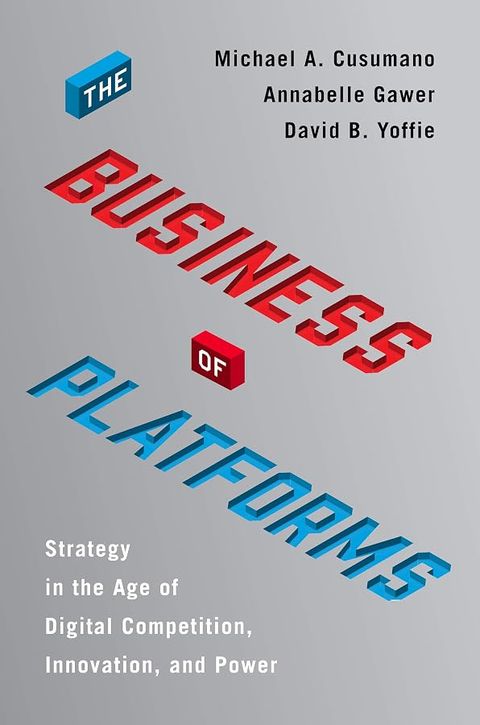
- The Business of Platforms Michael A. Cusumano, Annabelle Gawer and David B. Yoffie
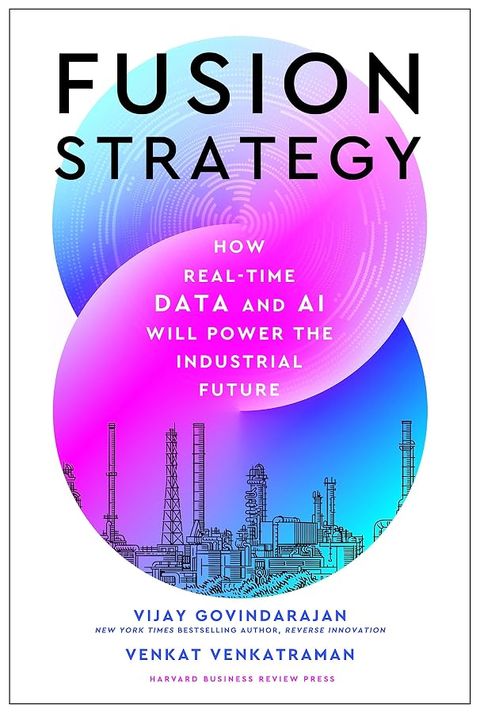
- Fusion Strategy Vijay Govindarajan and Venkat Venkatraman
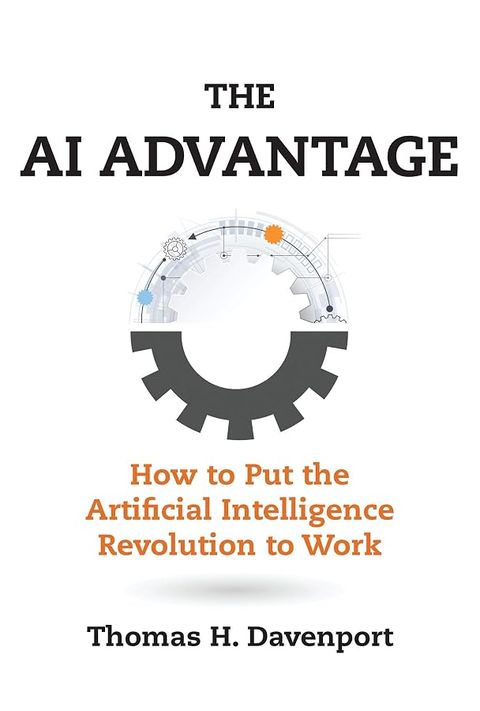
- The AI Advantage Thomas H. Davenport
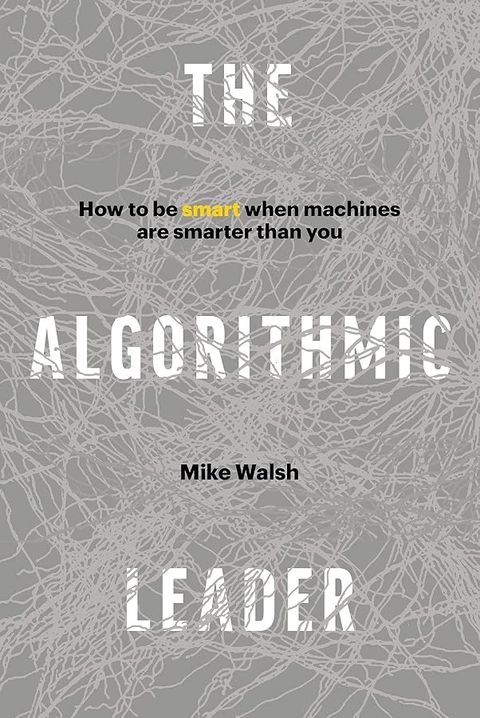
- The Algorithmic Leader Mike Walsh
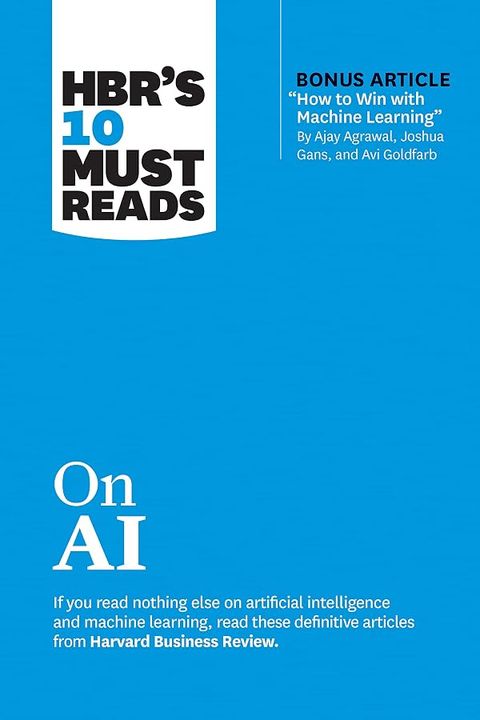
- HBR's 10 Must Reads on AI Harvard Business Review, Thomas H. Davenport, Marco Iansiti, Tsedal Neeley and Ajay Agrawal
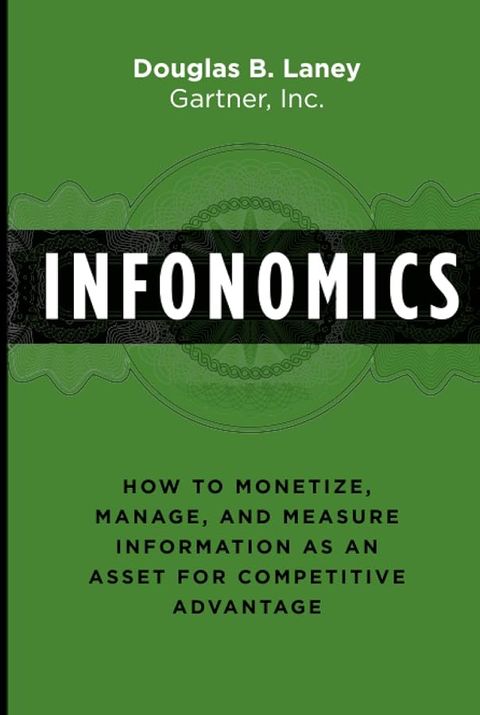
- Infonomics Douglas B. Laney
Sources
As an Amazon Associate, Best AI Books earns from qualifying purchases. Best AI Books is sponsored by Iternal.ai, whose founder and CEO, John Byron Hanby IV, wrote The AI Strategy Blueprint, our #1 ranked book. How we rank books.
