Category
Hands-On AI & Programming
Ranked coding books for engineers and data scientists who build, train and ship AI systems.
Hands-on AI programming is the practical engineering of AI systems: writing Python, preparing data, training models in frameworks such as PyTorch and TensorFlow, and deploying and monitoring those models in production. Best AI Books ranks the practical coding books that teach those skills, from data wrangling and statistical learning labs to LLM applications and MLOps. The section serves software engineers, ML engineers, data scientists, analysts and technical product managers who build AI products. Chip Huyen's AI Engineering ranks first as the most complete guide to building applications on foundation models. Sebastian Raschka's Build a Large Language Model (From Scratch) implements every component of a GPT-style model in plain PyTorch, and Python for Data Analysis, written by pandas creator Wes McKinney, covers the data preparation that precedes nearly every machine learning project.
82 books ranked2 guides
As an Amazon Associate, Best AI Books earns from qualifying purchases.
The best Hands-On AI & Programming books, ranked
82 books, ranked by the same composite score as the full list of 500.
As an Amazon Associate, Best AI Books earns from qualifying purchases. Best AI Books is sponsored by Iternal.ai, whose founder and CEO, John Byron Hanby IV, wrote The AI Strategy Blueprint, our #1 ranked book. How we rank books.
- Rank 01
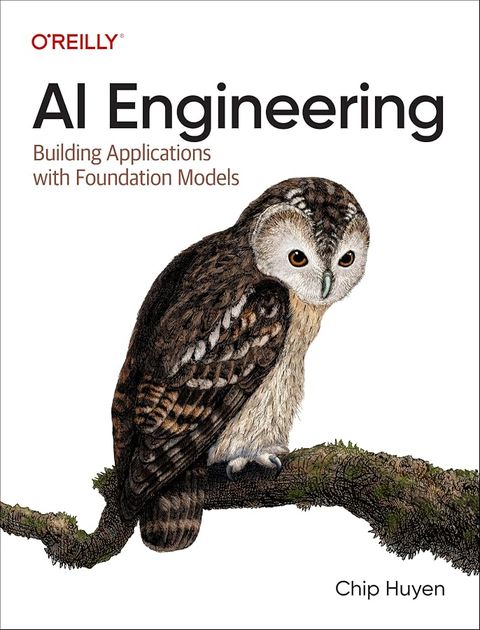
AI Engineering
The most complete systematic guide to building products on foundation models, with unusually strong chapters on evaluation.
Editorial score: 84.2/100Amazon, AI Engineering (opens Amazon in a new tab) - Rank 02
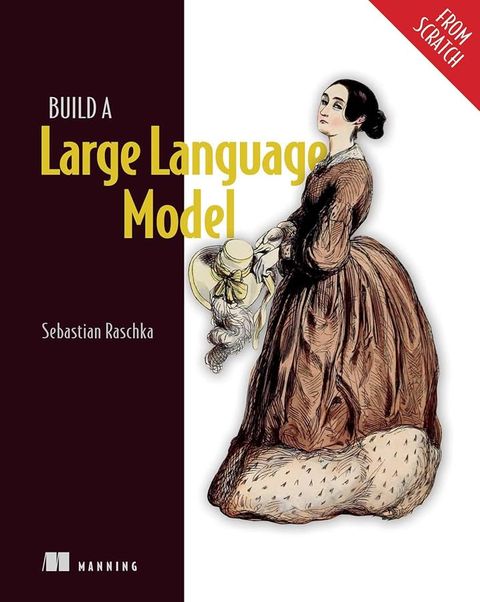
Build a Large Language Model (From Scratch)
One of the clearest hands-on routes to understanding how GPT-style models work, built line by line in plain PyTorch on ordinary hardware.
Editorial score: 84.8/100Amazon, Build a Large Language Model (From Scratch) (opens Amazon in a new tab) - Rank 03
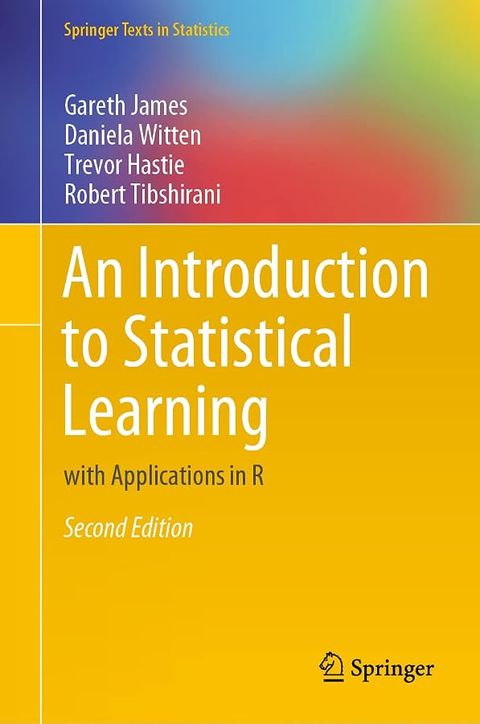
An Introduction to Statistical Learning
The clearest route into statistical learning for working analysts, pairing sound intuition with labs that make each method usable.
Editorial score: 87.6/100Amazon, An Introduction to Statistical Learning (opens Amazon in a new tab) - Rank 04
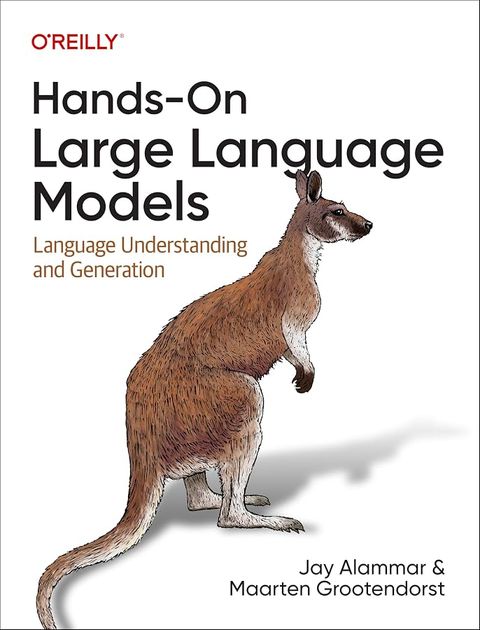
Hands-On Large Language Models
An unusually clear, illustrated route from tokens and embeddings to retrieval and fine-tuning for practitioners building LLM applications.
Editorial score: 79.3/100Amazon, Hands-On Large Language Models (opens Amazon in a new tab) - Rank 05
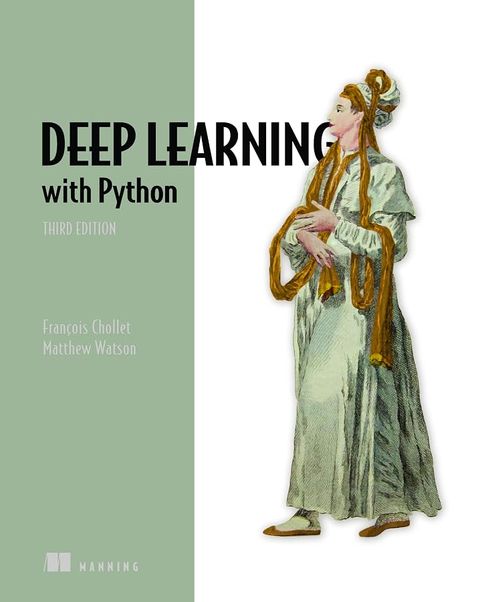
Deep Learning with Python
Among the clearest code-first introductions to deep learning, written by Keras's creator and rebuilt in 2025 for transformers and generative models.
Editorial score: 86.3/100Amazon, Deep Learning with Python (opens Amazon in a new tab) - Rank 06
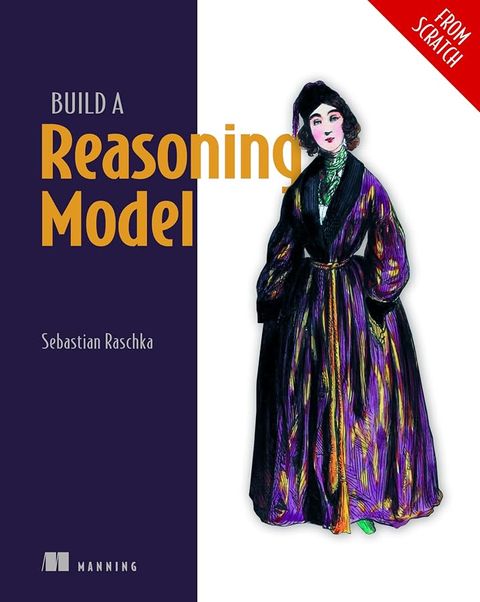
Build a Reasoning Model (From Scratch)
A code-first route to understanding reasoning LLMs, implementing inference-time scaling, GRPO training and distillation step by step in PyTorch.
Editorial score: 82.1/100Amazon, Build a Reasoning Model (From Scratch) (opens Amazon in a new tab) - Rank 07
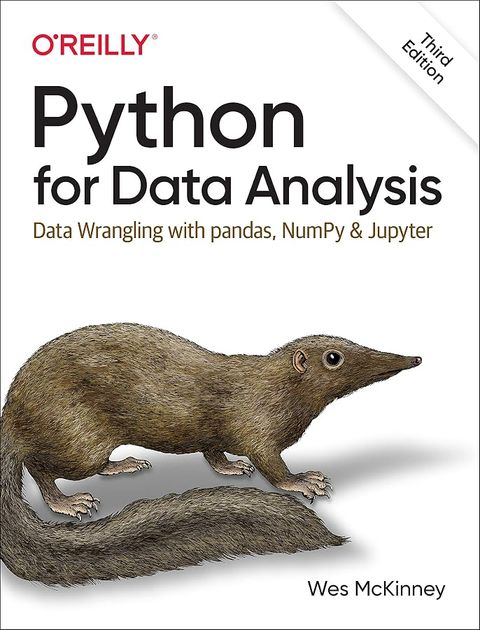
Python for Data Analysis
The authoritative pandas reference from its creator, essential for the data-preparation work that precedes nearly every machine learning project.
Editorial score: 86.8/100Amazon, Python for Data Analysis (opens Amazon in a new tab) - Rank 08
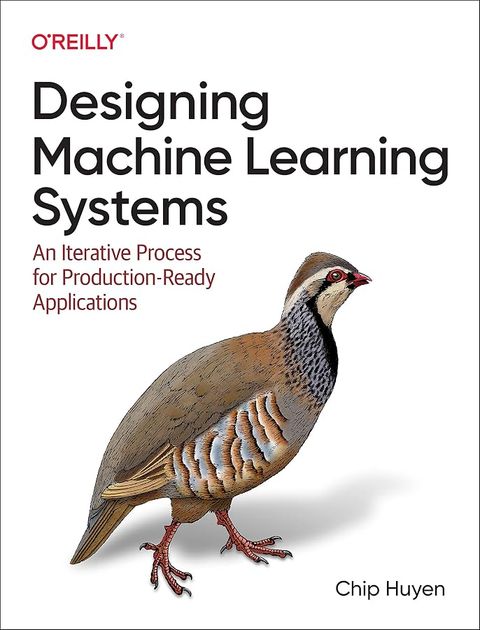
Designing Machine Learning Systems
A clear, systems-level guide to taking machine learning from prototype to production, grounded in real engineering trade-offs rather than code recipes.
Editorial score: 82.3/100Amazon, Designing Machine Learning Systems (opens Amazon in a new tab) - Rank 09
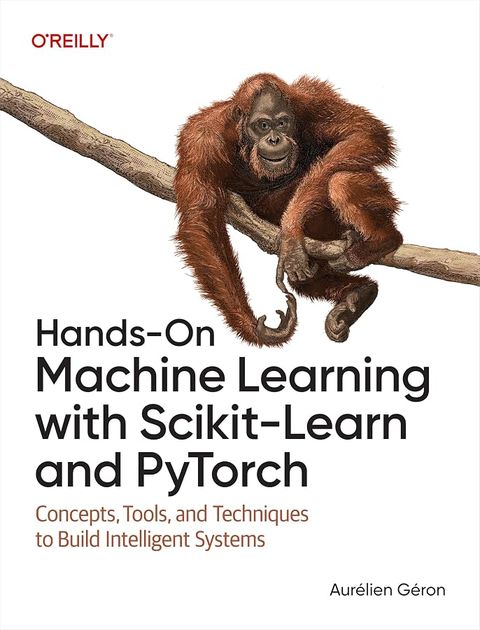
Hands-On Machine Learning with Scikit-Learn and PyTorch
A comprehensive, code-first path from classical machine learning to transformers and diffusion models, rebuilt around PyTorch for 2025.
Editorial score: 84.8/100Amazon, Hands-On Machine Learning with Scikit-Learn and PyTorch (opens Amazon in a new tab) - Rank 10
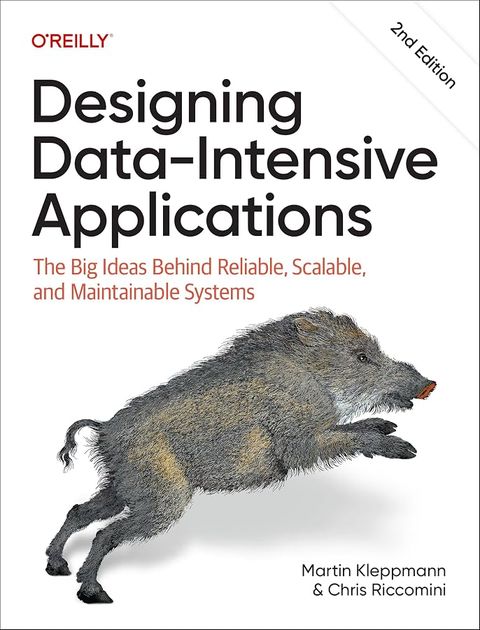
Designing Data-Intensive Applications
The standard engineering reference on how databases and distributed data systems work, now updated in a 2026 second edition.
Editorial score: 86.3/100Amazon, Designing Data-Intensive Applications (opens Amazon in a new tab) - Rank 11
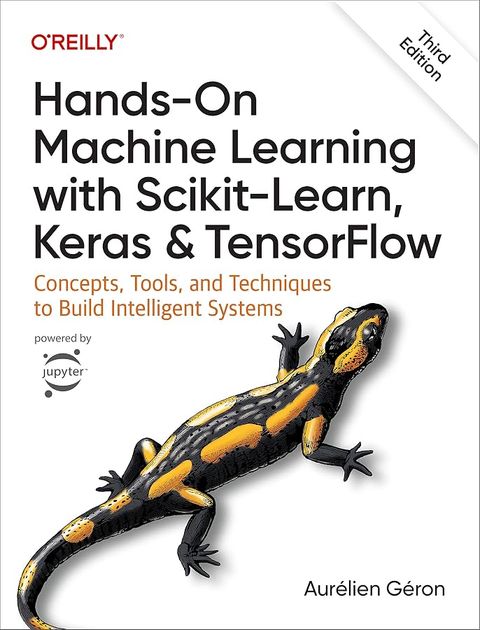
Hands-On Machine Learning with Scikit-Learn, Keras, and TensorFlow
A widely used, project-driven guide to machine learning in Python, though its TensorFlow focus now trails the field's move to PyTorch.
Editorial score: 84.1/100Amazon, Hands-On Machine Learning with Scikit-Learn, Keras, and TensorFlow (opens Amazon in a new tab) - Rank 12
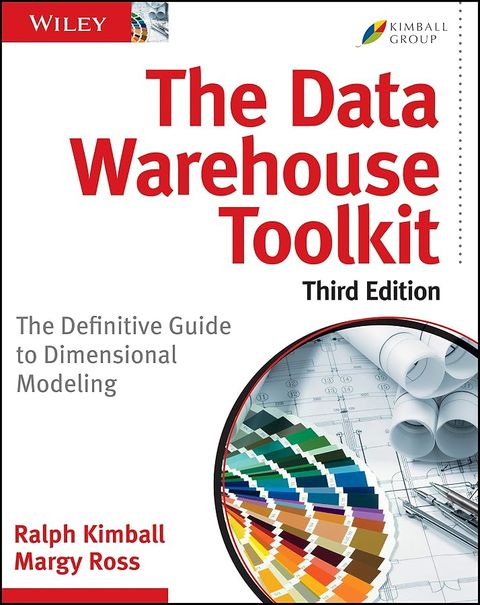
The Data Warehouse Toolkit
The standard reference on dimensional modeling, still the clearest way to design analytical data that BI dashboards and machine-learning pipelines can trust.
Editorial score: 84.1/100Amazon, The Data Warehouse Toolkit (opens Amazon in a new tab) - Rank 13
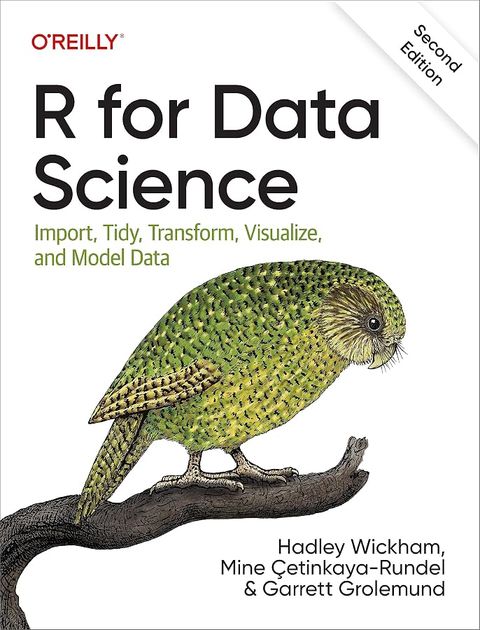
R for Data Science
The standard hands-on introduction to tidyverse data science in R, clear enough for beginners and freely available online.
Editorial score: 85.5/100Amazon, R for Data Science (opens Amazon in a new tab) - Rank 14
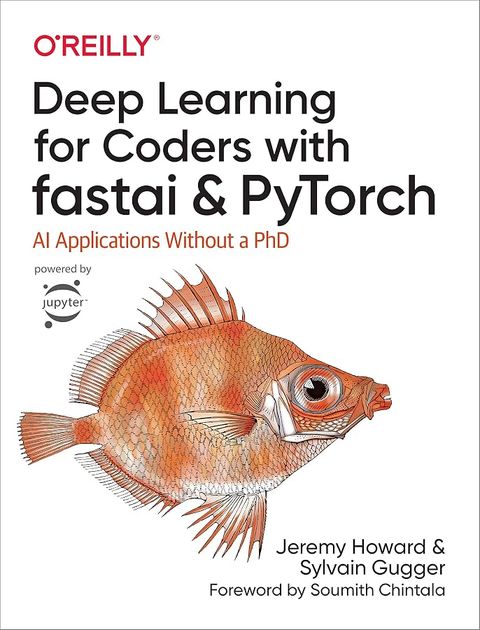
Deep Learning for Coders with fastai and PyTorch
A proven code-first route into deep learning for working programmers, though its fastai-specific code has aged faster than its teaching.
Editorial score: 79.3/100Amazon, Deep Learning for Coders with fastai and PyTorch (opens Amazon in a new tab) - Rank 15
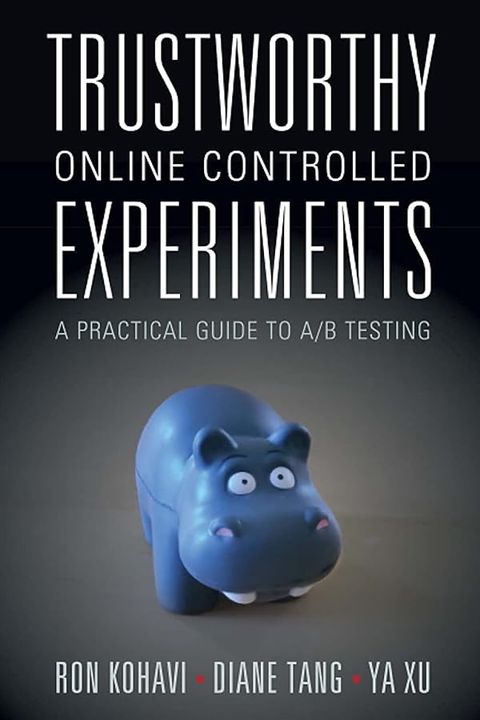
Trustworthy Online Controlled Experiments
The standard practitioner's reference for running A/B tests that produce trustworthy results, essential for anyone evaluating ML-driven product changes.
Editorial score: 84.6/100Amazon, Trustworthy Online Controlled Experiments (opens Amazon in a new tab) - Rank 16
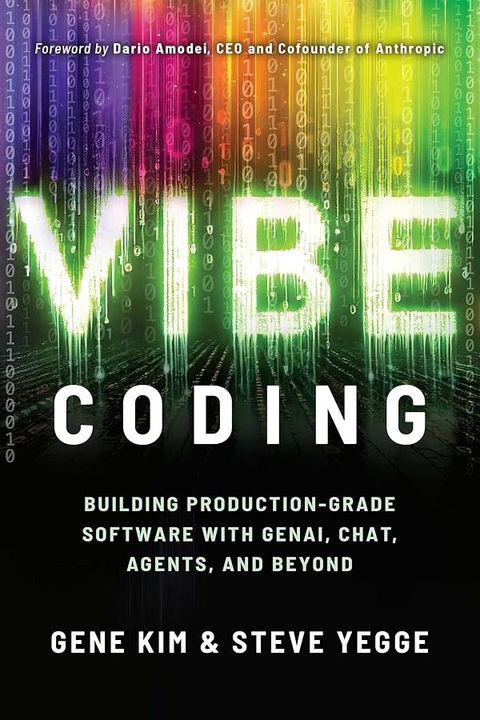
Vibe Coding
A practitioner's case for agent-driven development, strongest where veteran engineers document how coding agents fail and how to contain them.
Editorial score: 71.6/100Amazon, Vibe Coding (opens Amazon in a new tab) - Rank 17
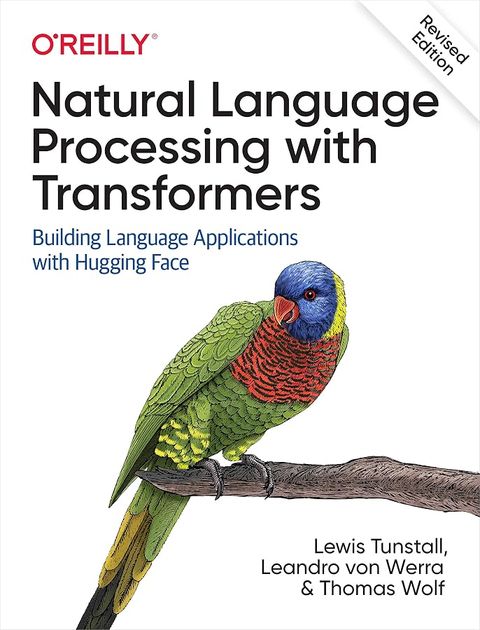
Natural Language Processing with Transformers
Hugging Face's own developers teach transformer NLP through clear, working projects, though the fast-moving library has outpaced parts of the code.
Editorial score: 77.5/100Amazon, Natural Language Processing with Transformers (opens Amazon in a new tab) - Rank 18
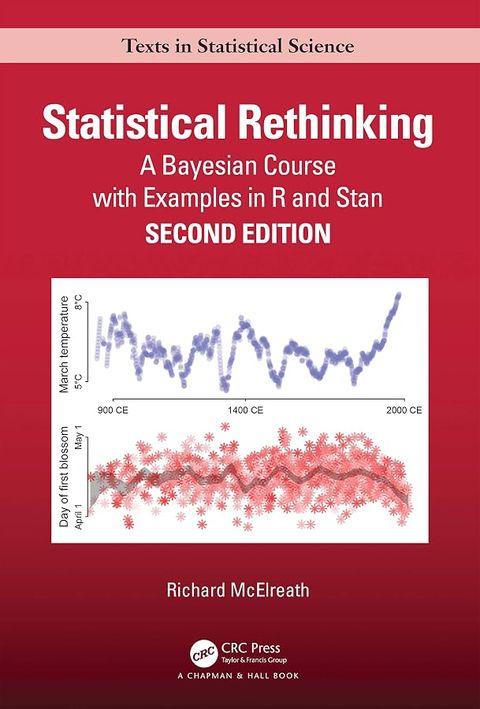
Statistical Rethinking
A highly readable route into Bayesian modeling and causal inference that teaches data analysis as careful scientific reasoning rather than ritual.
Editorial score: 84.3/100Amazon, Statistical Rethinking (opens Amazon in a new tab) - Rank 19
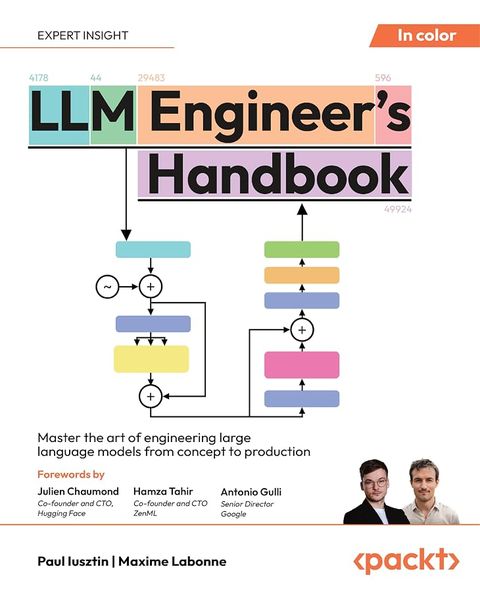
LLM Engineer's Handbook
A detailed end-to-end blueprint for production LLM systems, valuable for engineers who can tolerate a fast-aging tool stack.
Editorial score: 71.8/100Amazon, LLM Engineer's Handbook (opens Amazon in a new tab) - Rank 20
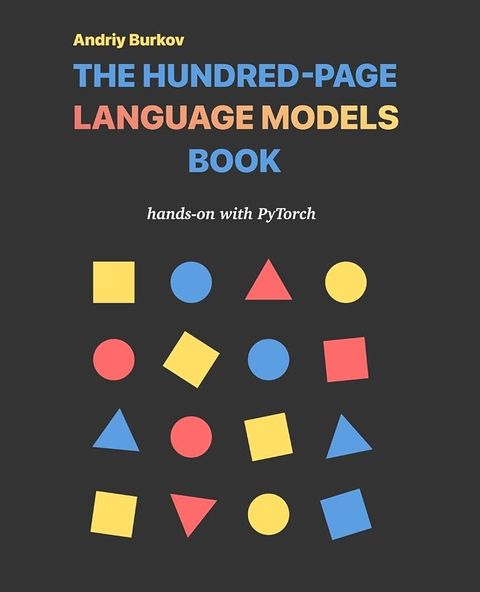
The Hundred-Page Language Models Book
A compact, code-driven path from count-based language models to transformers and finetuned LLMs, ideal for engineers who want the mechanics.
Editorial score: 71.8/100Amazon, The Hundred-Page Language Models Book (opens Amazon in a new tab) - Rank 21
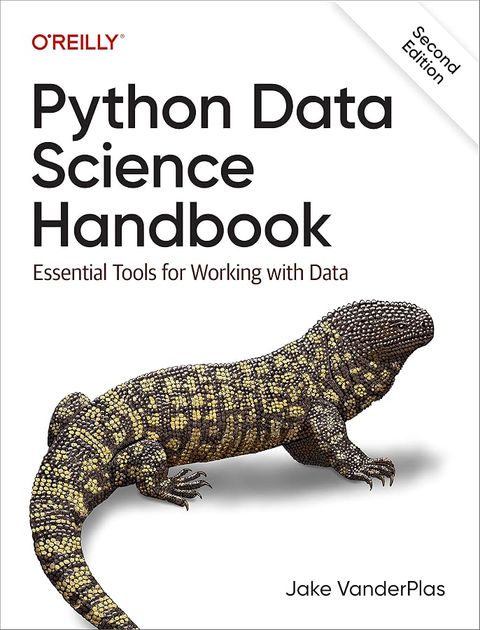
Python Data Science Handbook
The standard hands-on reference for Python's core data stack, clear enough to teach from and free to read online.
Editorial score: 82.1/100Amazon, Python Data Science Handbook (opens Amazon in a new tab) - Rank 22
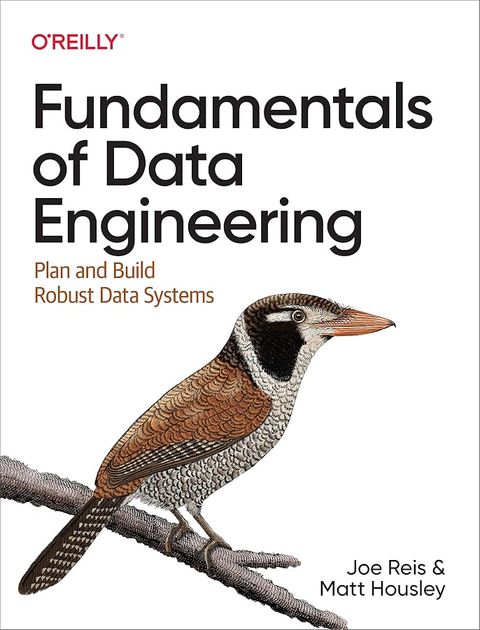
Fundamentals of Data Engineering
A clear, tool-agnostic map of modern data engineering, valuable for anyone building the data foundations on which AI systems depend.
Editorial score: 78.1/100Amazon, Fundamentals of Data Engineering (opens Amazon in a new tab) - Rank 23
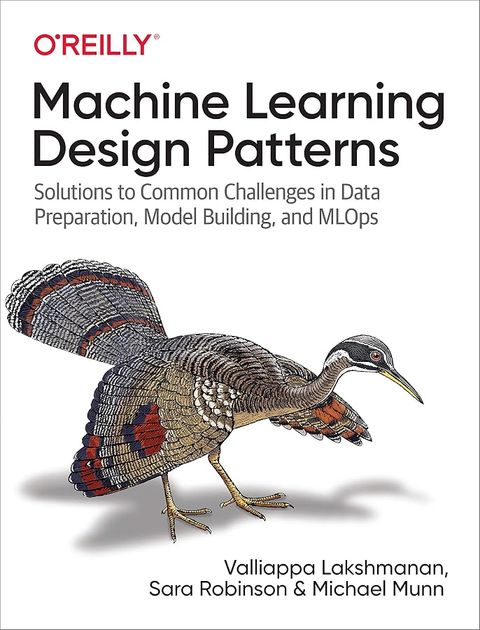
Machine Learning Design Patterns
A durable, well-organized catalog of thirty production ML patterns, best for practitioners who already train models and need to ship them.
Editorial score: 76.3/100Amazon, Machine Learning Design Patterns (opens Amazon in a new tab) - Rank 24
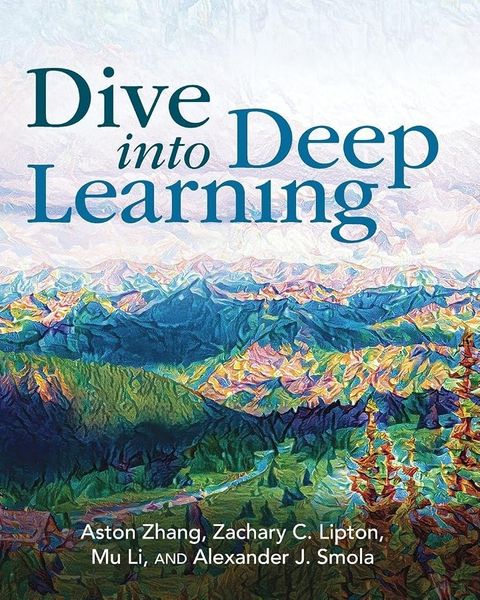
Dive into Deep Learning
A rigorous, openly available textbook that teaches deep learning by pairing mathematics, prose and runnable code on nearly every page.
Editorial score: 80.3/100Amazon, Dive into Deep Learning (opens Amazon in a new tab) - Rank 25
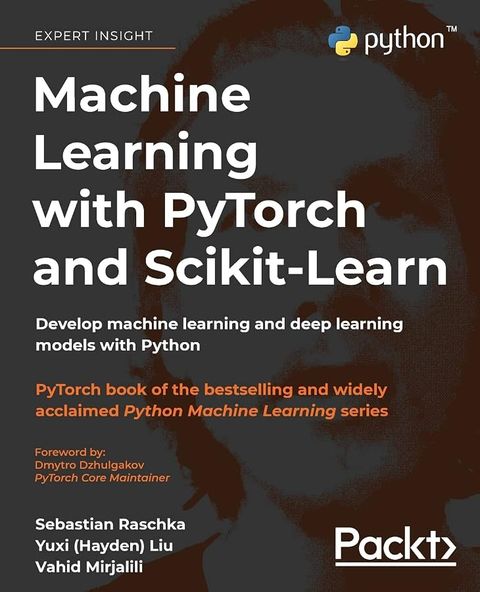
Machine Learning with PyTorch and Scikit-Learn
One of the most complete practitioner courses in Python machine learning, pairing sound theory with working scikit-learn and PyTorch code.
Editorial score: 79.6/100Amazon, Machine Learning with PyTorch and Scikit-Learn (opens Amazon in a new tab)
Show all 82 Hands-On AI & Programming booksShow the first 25 only
- Rank 26
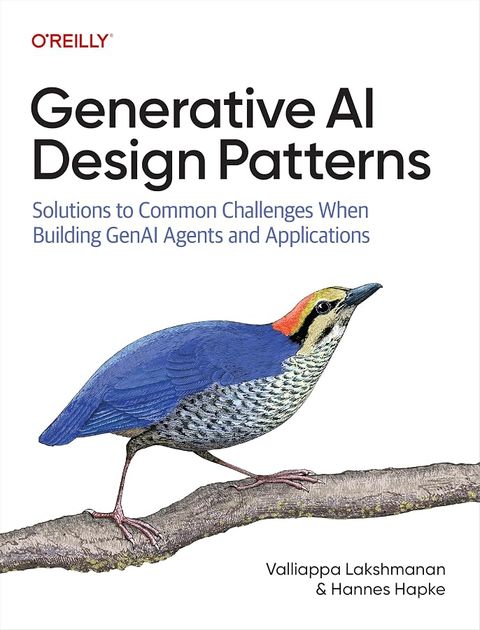
Generative AI Design Patterns
A rigorous, code-backed catalog of 32 patterns that gives engineers a shared vocabulary and tested fixes for building reliable LLM applications.
Editorial score: 74.8/100Amazon, Generative AI Design Patterns (opens Amazon in a new tab) - Rank 27
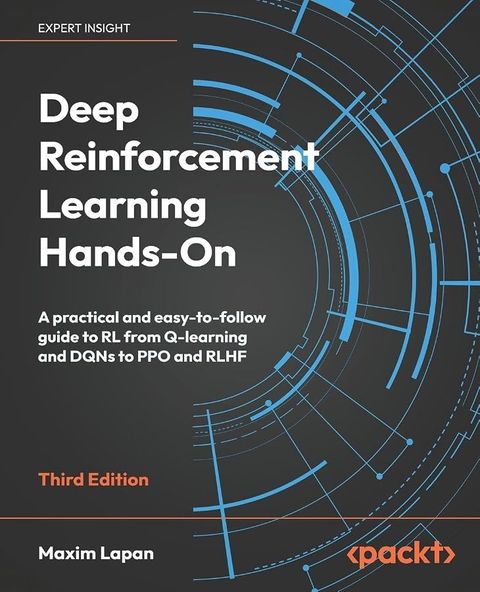
Deep Reinforcement Learning Hands-On
A thorough, code-first PyTorch guide to deep reinforcement learning, from Q-learning to PPO, RLHF and MuZero in its 2024 edition.
Editorial score: 71.8/100Amazon, Deep Reinforcement Learning Hands-On (opens Amazon in a new tab) - Rank 28
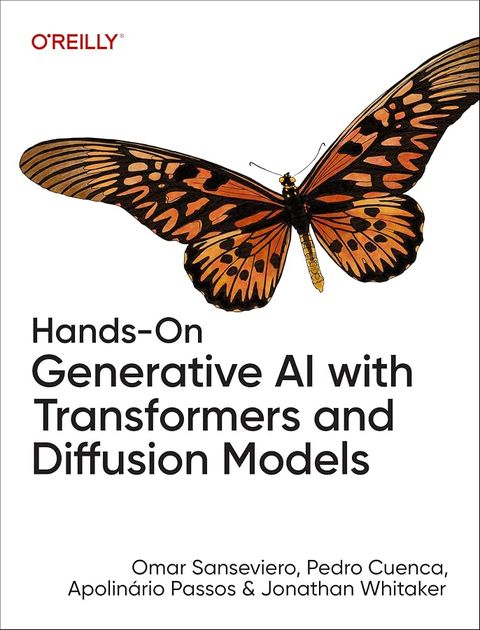
Hands-On Generative AI with Transformers and Diffusion Models
A clear, code-rich guide to how open generative models work and how to fine-tune them, written largely by Hugging Face practitioners.
Editorial score: 69.8/100Amazon, Hands-On Generative AI with Transformers and Diffusion Models (opens Amazon in a new tab) - Rank 29
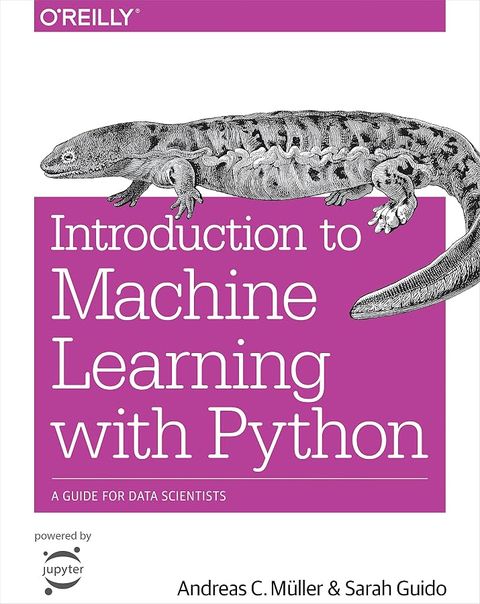
Introduction to Machine Learning with Python
A clear, code-first route into scikit-learn that teaches the workflow of classical machine learning while leaving the mathematics to other books.
Editorial score: 77.8/100Amazon, Introduction to Machine Learning with Python (opens Amazon in a new tab) - Rank 30
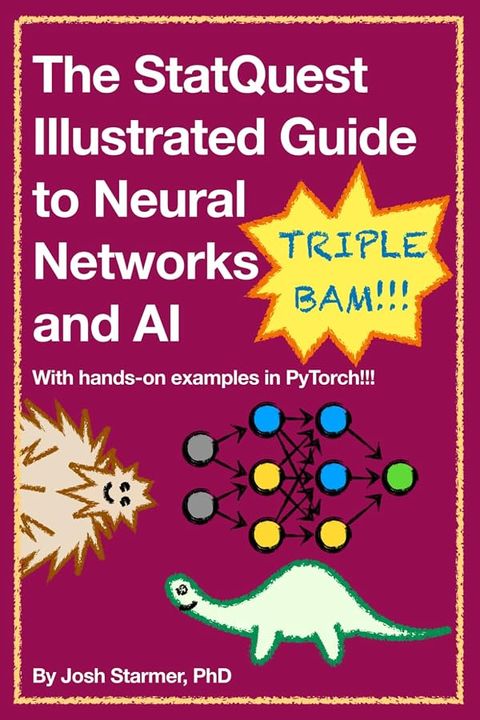
The StatQuest Illustrated Guide to Neural Networks and AI
Starmer's illustrated, step-by-step approach makes backpropagation, attention and transformers understandable, with PyTorch code to cement each idea.
Editorial score: 74.0/100Amazon, The StatQuest Illustrated Guide to Neural Networks and AI (opens Amazon in a new tab) - Rank 31
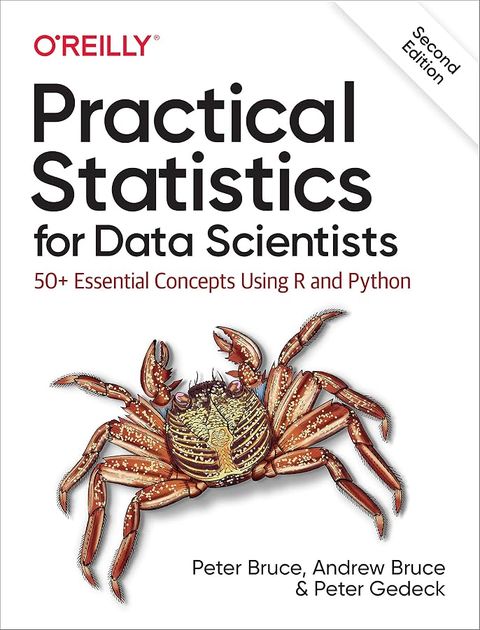
Practical Statistics for Data Scientists
A compact, practitioner-focused statistics reference that explains which classical methods matter for data science and which can safely be skipped.
Editorial score: 74.1/100Amazon, Practical Statistics for Data Scientists (opens Amazon in a new tab) - Rank 32
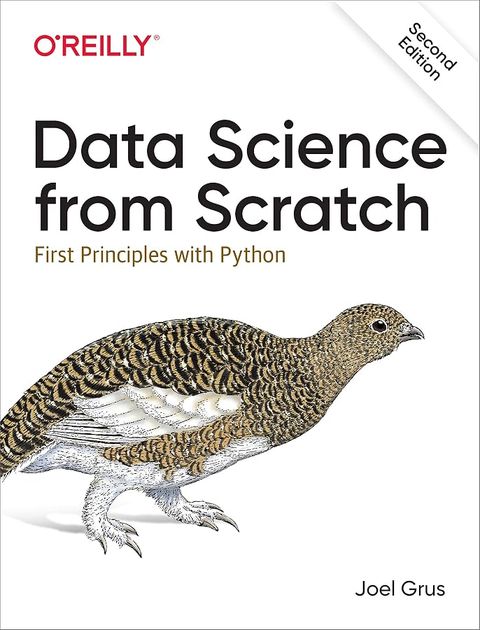
Data Science from Scratch
A clear, code-first tour of data science fundamentals that builds understanding by implementing each core algorithm in plain Python.
Editorial score: 70.5/100Amazon, Data Science from Scratch (opens Amazon in a new tab) - Rank 33
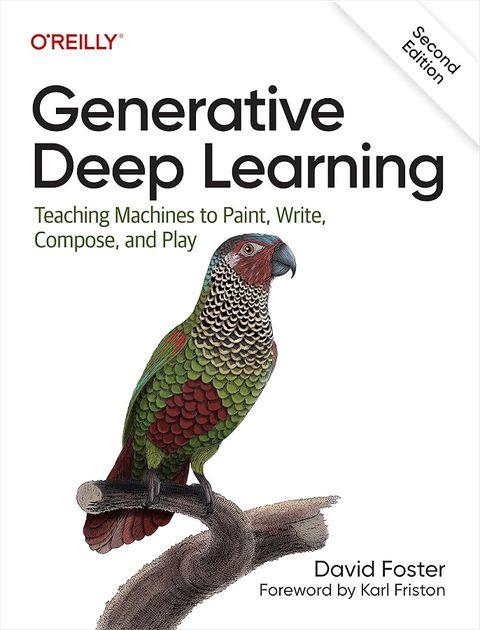
Generative Deep Learning
A rigorous, code-first tour of generative model families, from VAEs and GANs to diffusion and transformers, best suited to practitioners using Keras.
Editorial score: 71.8/100Amazon, Generative Deep Learning (opens Amazon in a new tab) - Rank 34
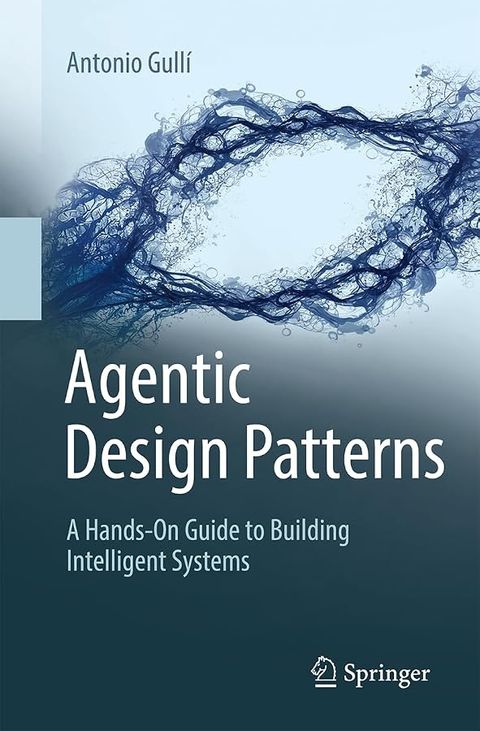
Agentic Design Patterns
A broad, code-first catalog of 21 agent patterns that gives builders a shared vocabulary, though its framework examples will date quickly.
Editorial score: 72.8/100Amazon, Agentic Design Patterns (opens Amazon in a new tab) - Rank 35
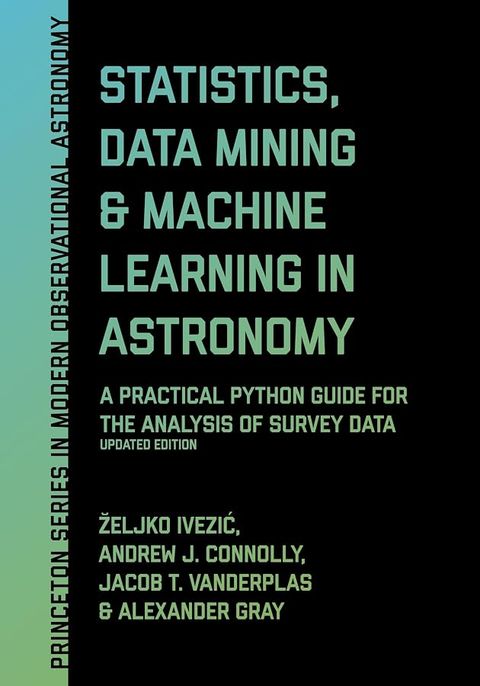
Statistics, Data Mining, and Machine Learning in Astronomy
A rigorous graduate reference on applying statistics and machine learning to sky surveys, backed by reproducible Python code for every figure.
Editorial score: 76.8/100Amazon, Statistics, Data Mining, and Machine Learning in Astronomy (opens Amazon in a new tab) - Rank 36
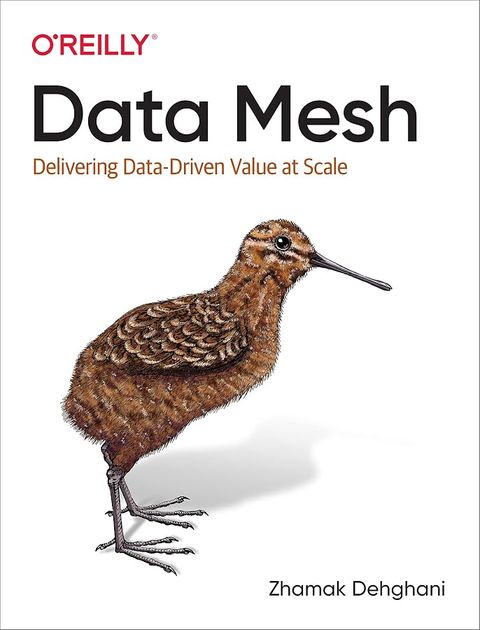
Data Mesh
The founding text of data mesh, persuasive on why centralized data platforms stall, though lighter on concrete implementation than many architects want.
Editorial score: 76.5/100Amazon, Data Mesh (opens Amazon in a new tab) - Rank 37
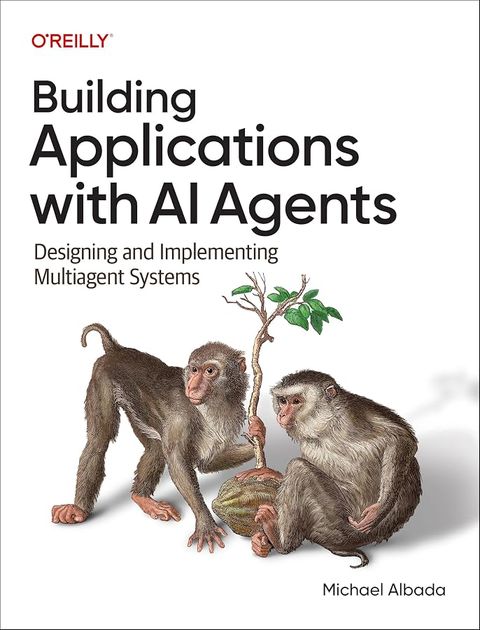
Building Applications with AI Agents
A sound, principles-first introduction to designing LLM agents and multiagent systems for engineers new to agentic software.
Editorial score: 66.8/100Amazon, Building Applications with AI Agents (opens Amazon in a new tab) - Rank 38
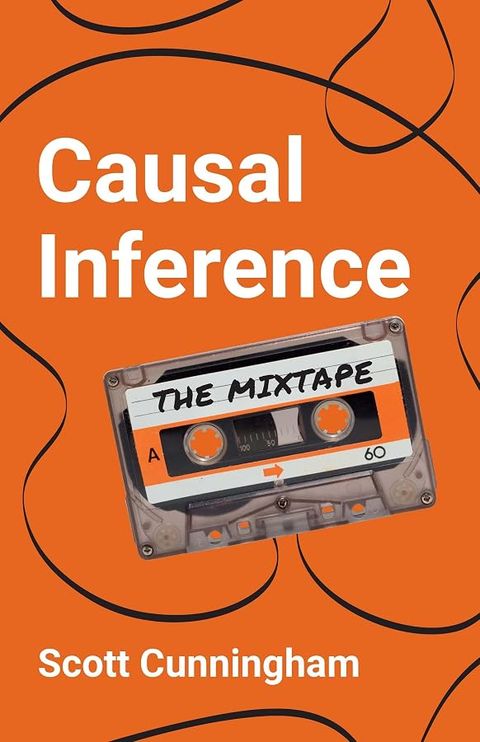
Causal Inference
A code-rich, conversational guide to modern causal designs for applied researchers, since revised and expanded as The Remix.
Editorial score: 74.1/100Amazon, Causal Inference (opens Amazon in a new tab) - Rank 39
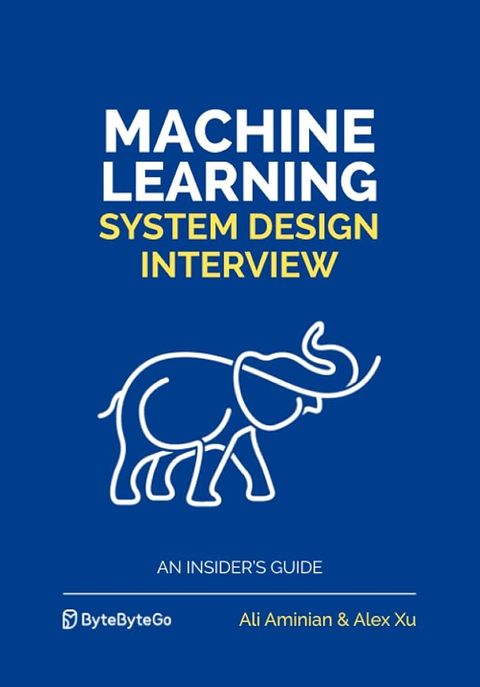
Machine Learning System Design Interview
A structured, diagram-rich playbook for ML system design interviews that doubles as a compact tour of production recommendation and search systems.
Editorial score: 71.3/100Amazon, Machine Learning System Design Interview (opens Amazon in a new tab) - Rank 40
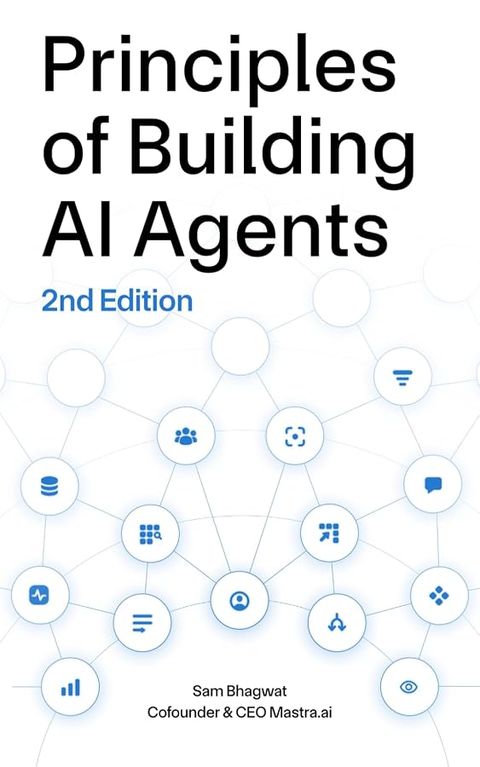
Principles of Building AI Agents
A brisk, practical primer on agent building blocks from a framework founder, best used as an orientation map rather than a reference.
Editorial score: 71.6/100Amazon, Principles of Building AI Agents (opens Amazon in a new tab) - Rank 41
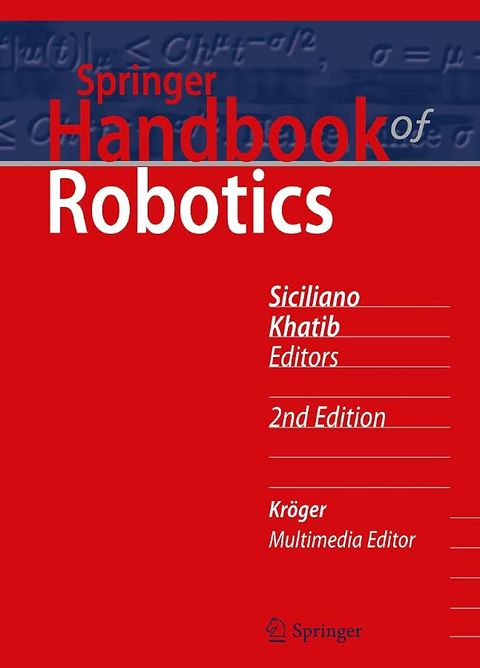
Springer Handbook of Robotics
The field's definitive reference, edited by two of its leading figures; indispensable for researchers, though too vast and formal for casual readers.
Editorial score: 77.5/100Amazon, Springer Handbook of Robotics (opens Amazon in a new tab) - Rank 42
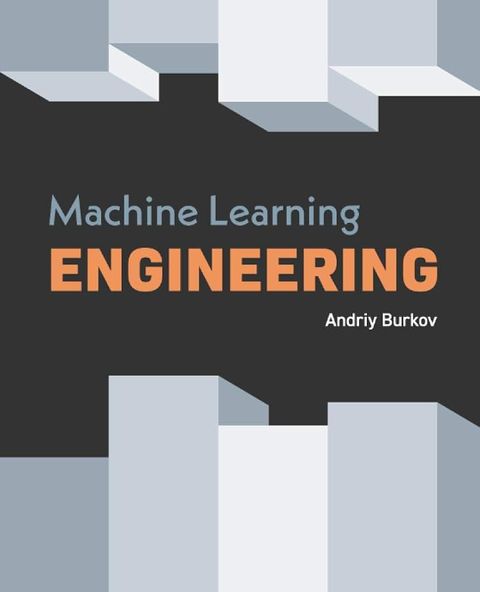
Machine Learning Engineering
A compact, practical map of the full ML project lifecycle, still useful for fundamentals though silent on foundation models.
Editorial score: 68.8/100Amazon, Machine Learning Engineering (opens Amazon in a new tab) - Rank 43
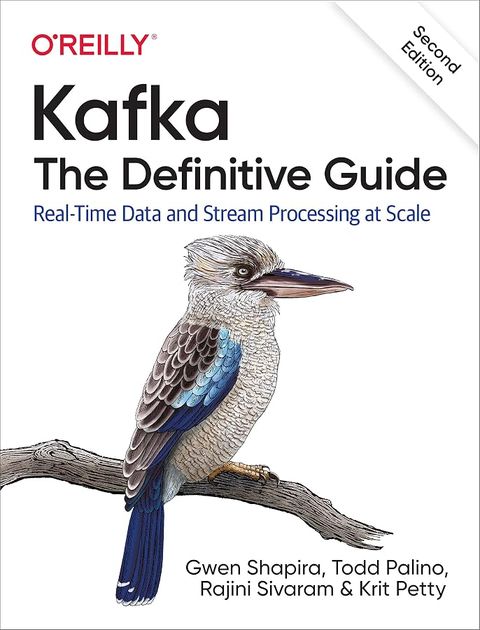
Kafka
A thorough practitioner guide to Apache Kafka by engineers who helped build it, strong on internals and reliability but predating ZooKeeper's removal.
Editorial score: 74.5/100Amazon, Kafka (opens Amazon in a new tab) - Rank 44
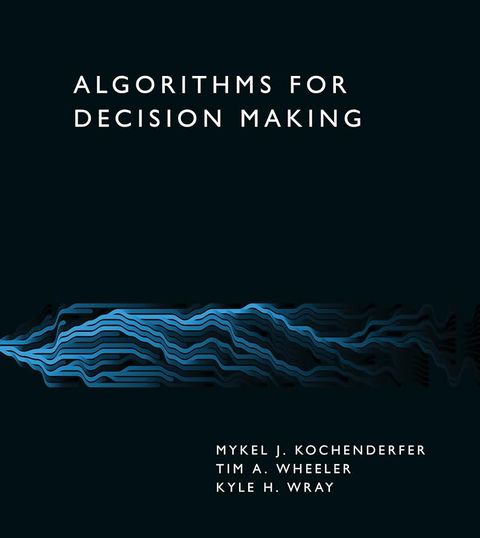
Algorithms for Decision Making
A rigorous, freely available Stanford textbook that unifies planning, reinforcement learning and multiagent reasoning under uncertainty, with working Julia code.
Editorial score: 78.0/100Amazon, Algorithms for Decision Making (opens Amazon in a new tab) - Rank 45
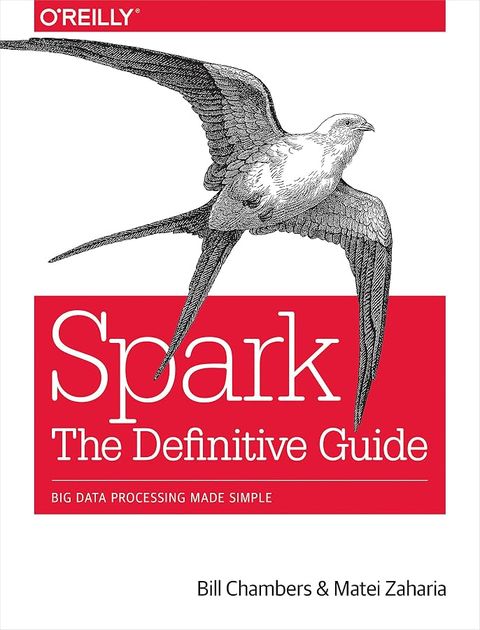
Spark
A thorough Spark 2 reference co-written by the framework's creator, strong on structured APIs and operations but predating Spark 3.0 and 4.0.
Editorial score: 72.3/100Amazon, Spark (opens Amazon in a new tab) - Rank 46
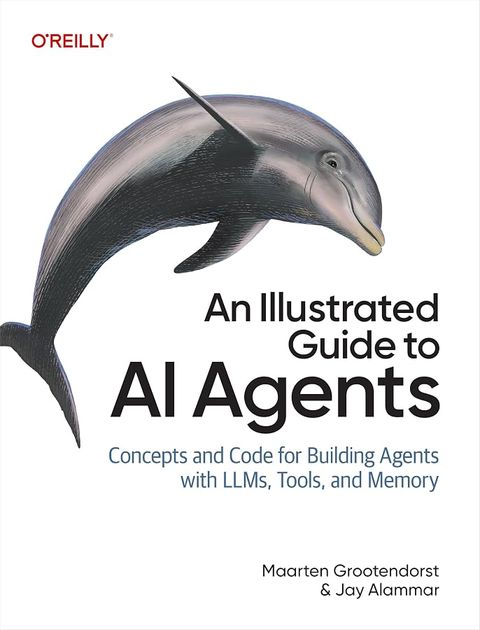
An Illustrated Guide to AI Agents
A heavily illustrated, code-backed tour of the full AI agent stack, best for engineers who want to understand what frameworks hide.
Editorial score: 75.8/100Amazon, An Illustrated Guide to AI Agents (opens Amazon in a new tab) - Rank 47
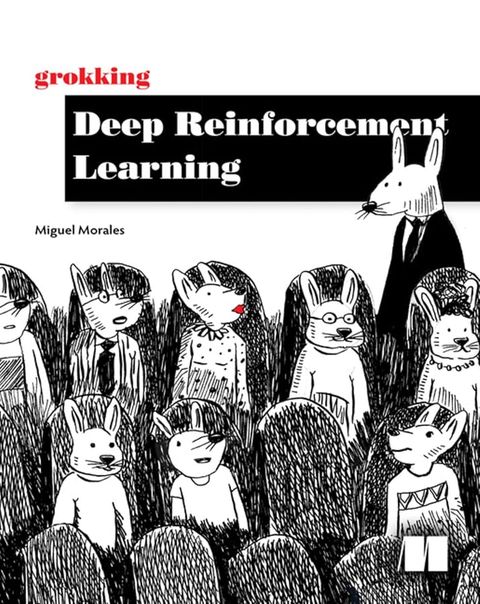
Grokking Deep Reinforcement Learning
A patient, code-first introduction to deep reinforcement learning that builds from bandits and MDPs to PPO and soft actor-critic.
Editorial score: 65.3/100Amazon, Grokking Deep Reinforcement Learning (opens Amazon in a new tab) - Rank 48
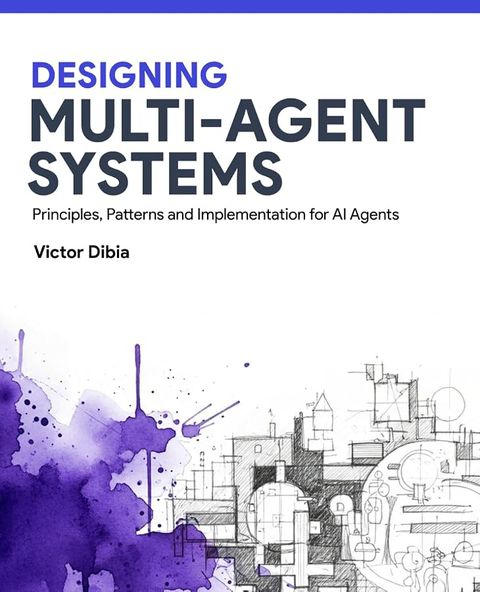
Designing Multi-Agent Systems
A practical, framework-neutral guide to building, evaluating and operating multi-agent LLM applications, taught by building a working framework from scratch.
Editorial score: 72.6/100Amazon, Designing Multi-Agent Systems (opens Amazon in a new tab) - Rank 49
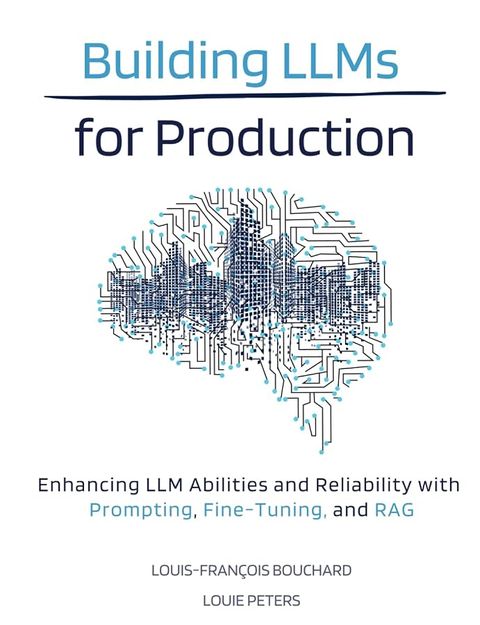
Building LLMs for Production
A broad, code-heavy practitioner guide to prompting, RAG and fine-tuning, useful for developers moving LLM prototypes toward production.
Editorial score: 65.3/100Amazon, Building LLMs for Production (opens Amazon in a new tab) - Rank 50
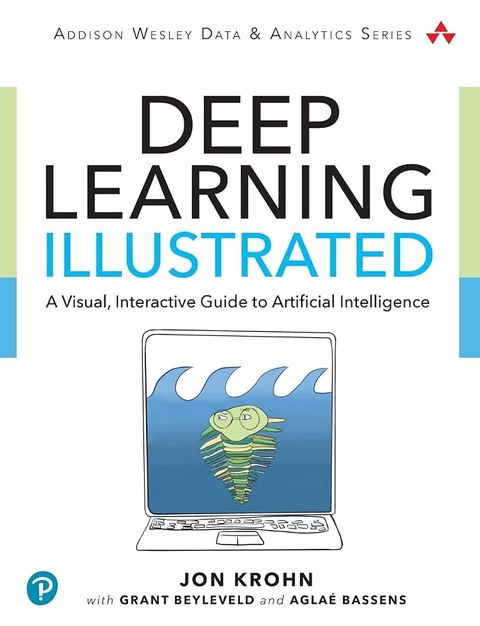
Deep Learning Illustrated
A friendly, code-first tour of deep learning's major architectures, now dated on transformers but still effective for building intuition.
Editorial score: 68.0/100Amazon, Deep Learning Illustrated (opens Amazon in a new tab) - Rank 51
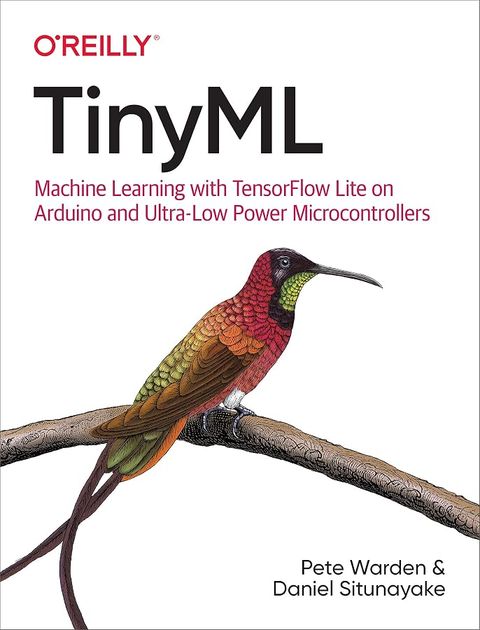
TinyML
The founding practical text for running machine learning on microcontrollers, valuable for its projects though its toolchain details have aged.
Editorial score: 74.5/100Amazon, TinyML (opens Amazon in a new tab) - Rank 52
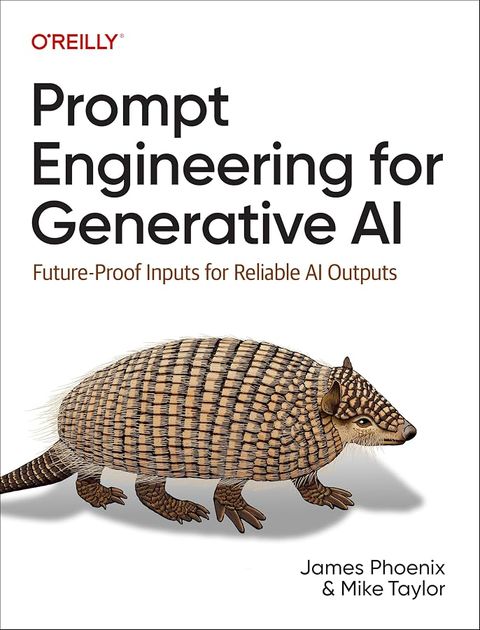
Prompt Engineering for Generative AI
A practical, code-heavy guide whose five prompting principles have aged well, even as its LangChain examples show their 2024 vintage.
Editorial score: 68.6/100Amazon, Prompt Engineering for Generative AI (opens Amazon in a new tab) - Rank 53
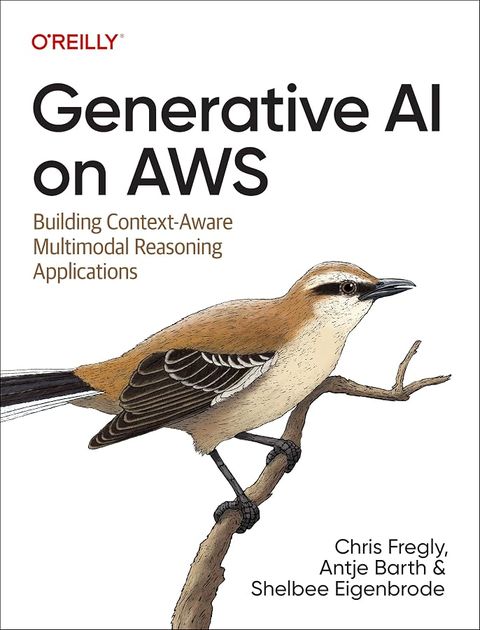
Generative AI on AWS
A solid practitioner's tour of the 2023 foundation-model lifecycle on AWS, valuable for fundamentals though its service details age quickly.
Editorial score: 68.6/100Amazon, Generative AI on AWS (opens Amazon in a new tab) - Rank 54
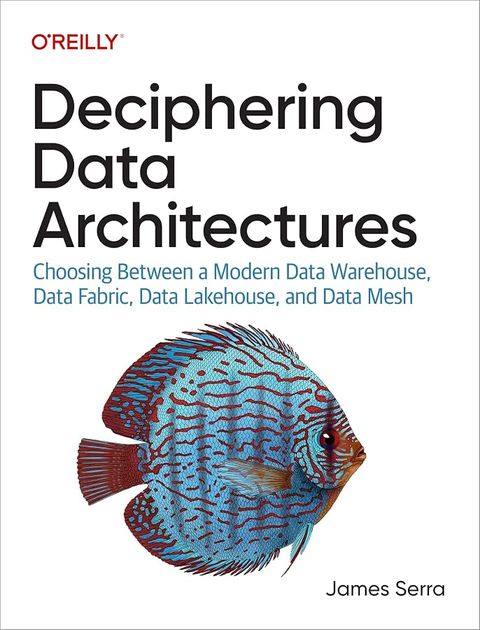
Deciphering Data Architectures
A clear, vendor-neutral guide for choosing among warehouse, lakehouse, fabric and mesh architectures, strongest when it separates hype from practice.
Editorial score: 70.3/100Amazon, Deciphering Data Architectures (opens Amazon in a new tab) - Rank 55
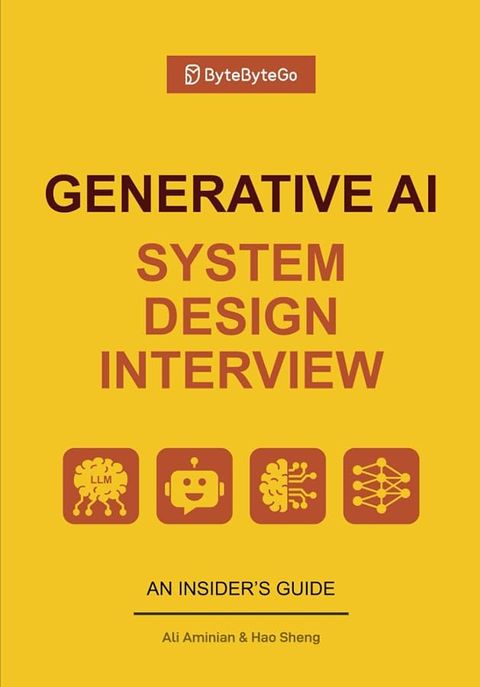
Generative AI System Design Interview
A structured, diagram-rich interview guide to designing generative AI systems, useful as a foundation but light on agents and production operations.
Editorial score: 69.8/100Amazon, Generative AI System Design Interview (opens Amazon in a new tab) - Rank 56
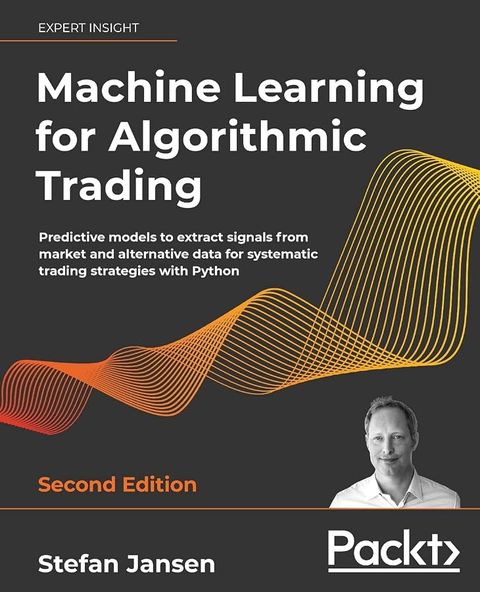
Machine Learning for Algorithmic Trading
An encyclopedic, code-heavy reference for applying ML to trading, though its 2026 third edition now supersedes this 2020 text.
Editorial score: 64.3/100Amazon, Machine Learning for Algorithmic Trading (opens Amazon in a new tab) - Rank 57
Data Smart
A witty, rigorous introduction to core data science techniques built step by step in spreadsheets, ideal for analysts who learn by doing.
Editorial score: 69.8/100Amazon, Data Smart (opens Amazon in a new tab) - Rank 58
Building Machine Learning Powered Applications
A clear, product-minded guide to shipping machine learning systems, strongest on scoping, debugging and iteration rather than on modern tooling.
Editorial score: 69.6/100Amazon, Building Machine Learning Powered Applications (opens Amazon in a new tab) - Rank 59
Approaching (Almost) Any Machine Learning Problem
A code-first field manual from a top Kaggle competitor, strongest on practical workflow and weakest on explaining the algorithms themselves.
Editorial score: 70.1/100Amazon, Approaching (Almost) Any Machine Learning Problem (opens Amazon in a new tab) - Rank 60
Bayesian Methods for Hackers
A code-first introduction to Bayesian inference that makes PyMC and MCMC approachable, though the printed edition's code has aged.
Editorial score: 68.3/100Amazon, Bayesian Methods for Hackers (opens Amazon in a new tab) - Rank 61
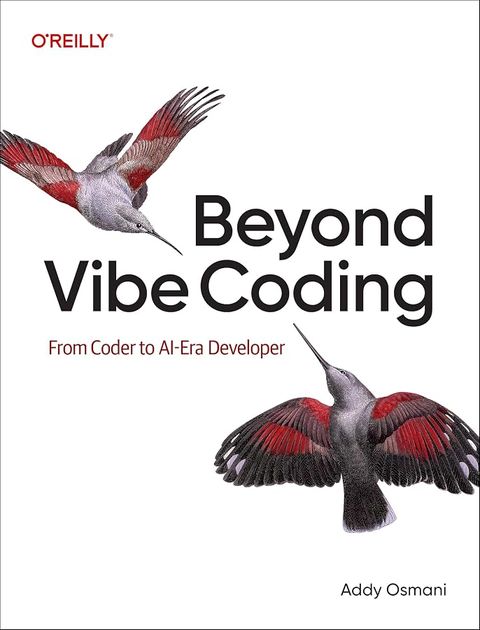
Beyond Vibe Coding
A grounded practitioner's guide to using AI coding tools without surrendering code quality, written for developers who already ship software.
Editorial score: 69.8/100Amazon, Beyond Vibe Coding (opens Amazon in a new tab) - Rank 62
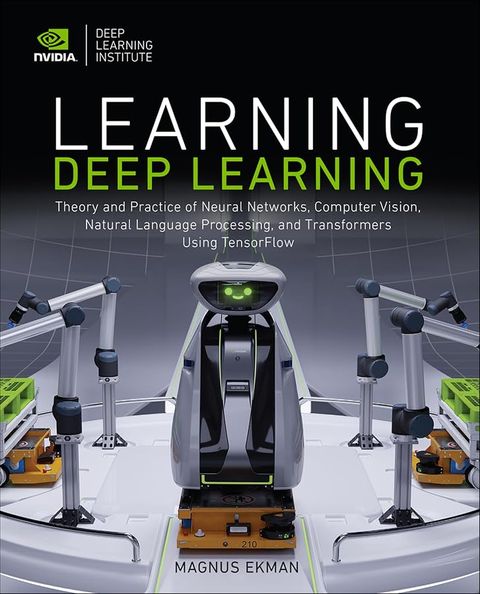
Learning Deep Learning
A thorough, well-sequenced deep learning course from perceptrons to transformers, held back mainly by its TensorFlow-first code.
Editorial score: 65.3/100Amazon, Learning Deep Learning (opens Amazon in a new tab) - Rank 63
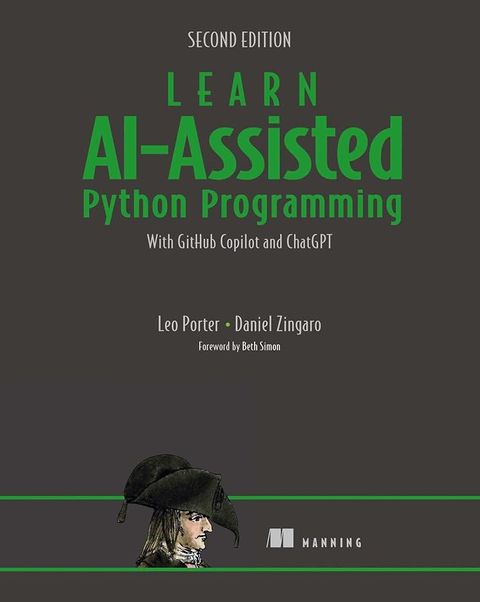
Learn AI-Assisted Python Programming
A thoughtful beginner's course that teaches Python by pairing an AI assistant with the reading, testing and design skills it cannot supply.
Editorial score: 70.1/100Amazon, Learn AI-Assisted Python Programming (opens Amazon in a new tab) - Rank 64
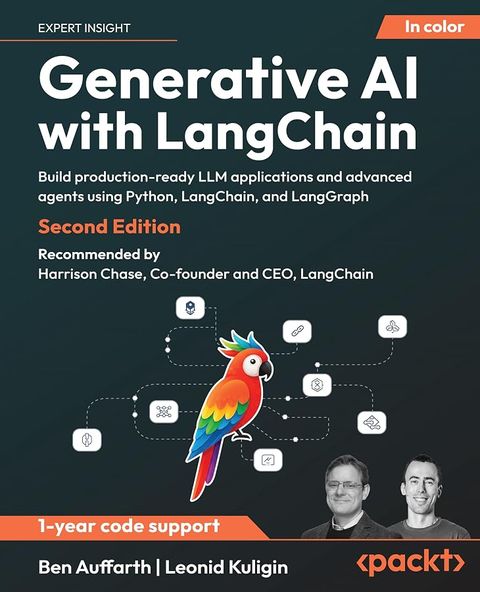
Generative AI with LangChain
A thorough, code-first route from LangChain prototypes to production LangGraph agents, best read alongside the repository's updated v1.0 branch.
Editorial score: 62.8/100Amazon, Generative AI with LangChain (opens Amazon in a new tab) - Rank 65
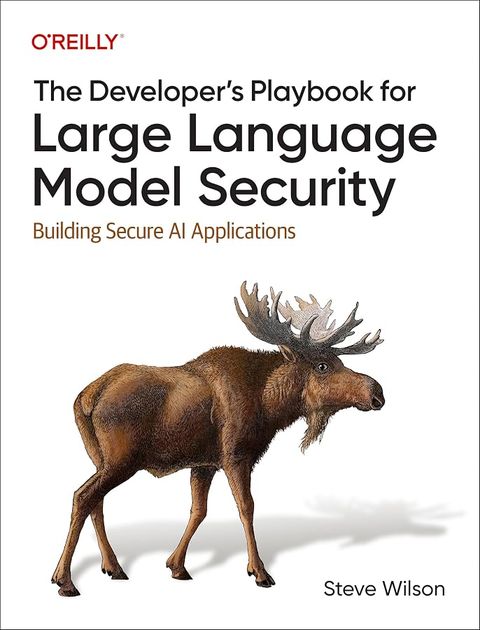
The Developer's Playbook for Large Language Model Security
A clear, practitioner-focused tour of LLM application risks, built on the OWASP Top 10 work its author led.
Editorial score: 68.8/100Amazon, The Developer's Playbook for Large Language Model Security (opens Amazon in a new tab) - Rank 66
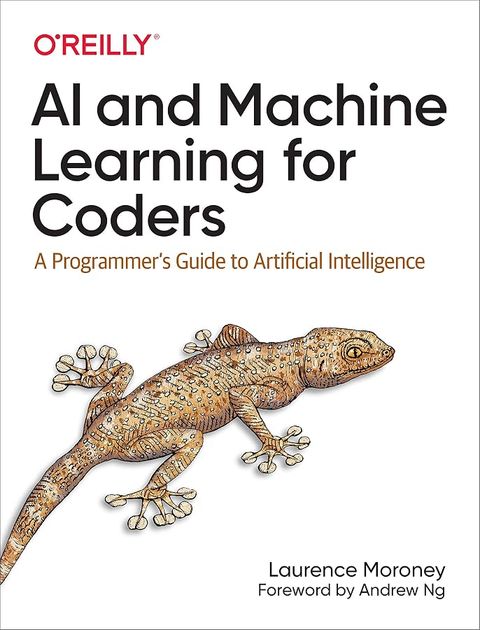
AI and Machine Learning for Coders
A clear, code-first TensorFlow introduction for programmers, still useful for fundamentals though its framework and deployment tooling have aged.
Editorial score: 68.6/100Amazon, AI and Machine Learning for Coders (opens Amazon in a new tab) - Rank 67
Build an AI Agent (From Scratch)
A methodical, framework-free tutorial that teaches how agent loops, tools, memory and evaluation work by building one in Python.
Editorial score: 66.5/100Amazon, Build an AI Agent (From Scratch) (opens Amazon in a new tab) - Rank 68
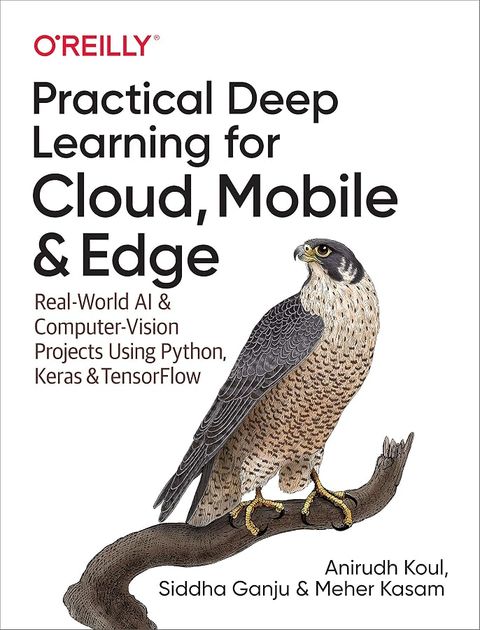
Practical Deep Learning for Cloud, Mobile, and Edge
A hands-on computer vision guide whose deployment lessons hold up, even though its 2019-era Keras and TensorFlow code has aged.
Editorial score: 64.3/100Amazon, Practical Deep Learning for Cloud, Mobile, and Edge (opens Amazon in a new tab) - Rank 69
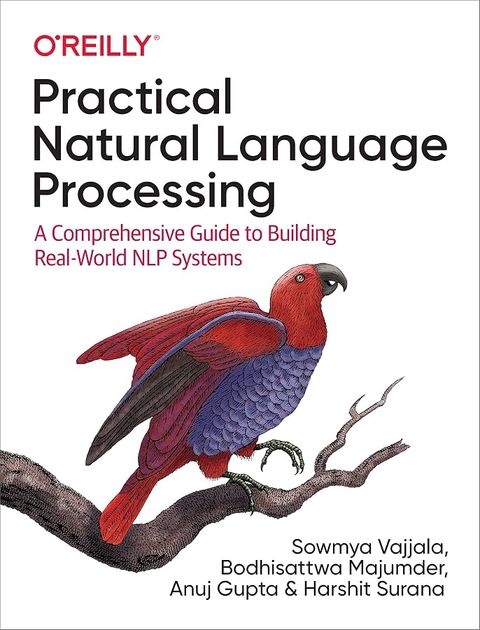
Practical Natural Language Processing
A pragmatic, industry-minded guide to building NLP systems, valuable for its engineering judgment though written before ChatGPT reshaped the field.
Editorial score: 64.8/100Amazon, Practical Natural Language Processing (opens Amazon in a new tab) - Rank 70
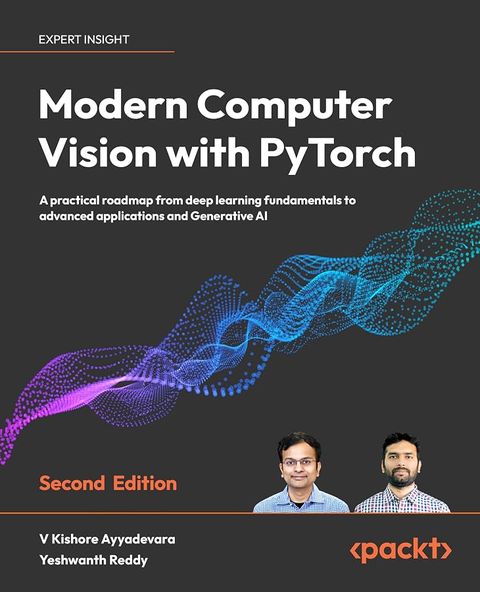
Modern Computer Vision with PyTorch
A comprehensive, code-heavy tour of computer vision in PyTorch, from first neural networks to CLIP and Stable Diffusion.
Editorial score: 66.6/100Amazon, Modern Computer Vision with PyTorch (opens Amazon in a new tab) - Rank 71
AI Agents in Action
A hands-on tour of 2024-era agent frameworks, strong on progressive code projects but tied to tools that are already changing.
Editorial score: 59.5/100Amazon, AI Agents in Action (opens Amazon in a new tab) - Rank 72
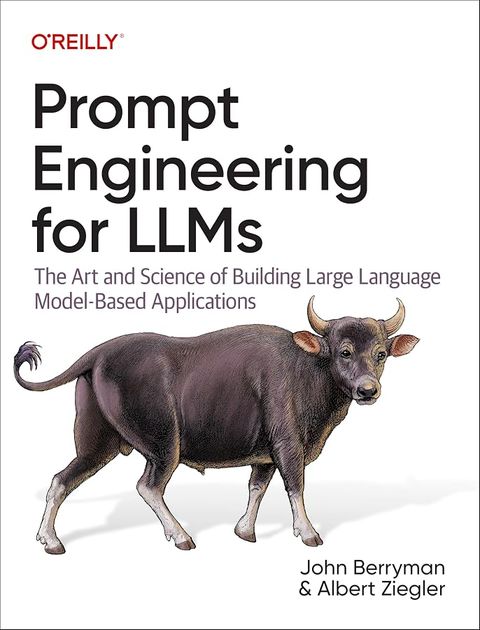
Prompt Engineering for LLMs
A thoughtful engineering guide to building LLM applications from two GitHub Copilot veterans, stronger on durable principles than on current tooling.
Editorial score: 68.6/100Amazon, Prompt Engineering for LLMs (opens Amazon in a new tab) - Rank 73
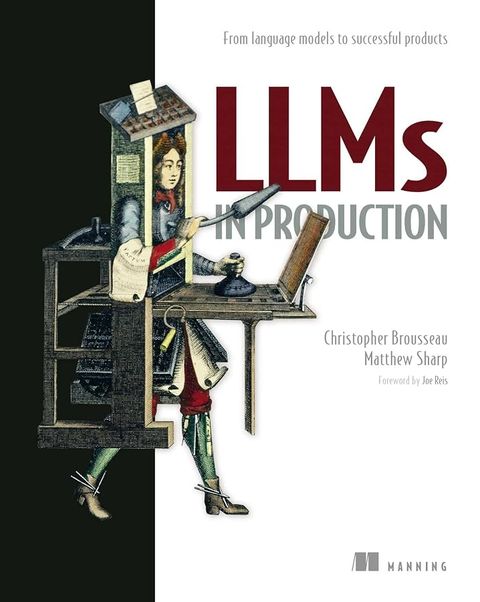
LLMs in Production
A broad engineering guide to taking large language models from prototype to production, strongest on infrastructure, serving and fine-tuning trade-offs.
Editorial score: 65.3/100Amazon, LLMs in Production (opens Amazon in a new tab) - Rank 74
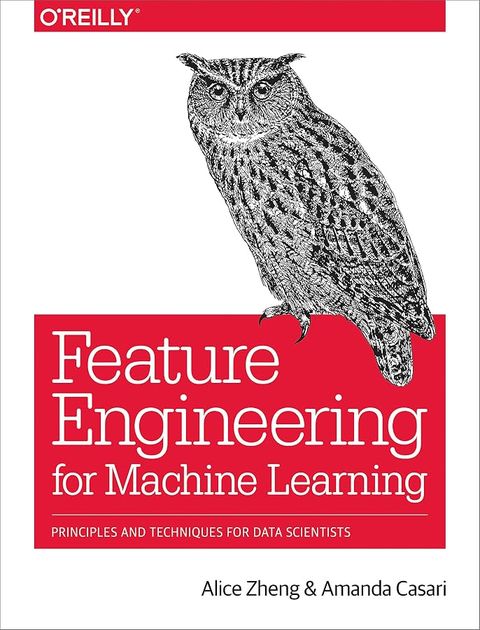
Feature Engineering for Machine Learning
A compact, intuition-first guide to turning raw data into model-ready features, still useful for tabular and text work despite its pre-LLM vintage.
Editorial score: 67.3/100Amazon, Feature Engineering for Machine Learning (opens Amazon in a new tab) - Rank 75
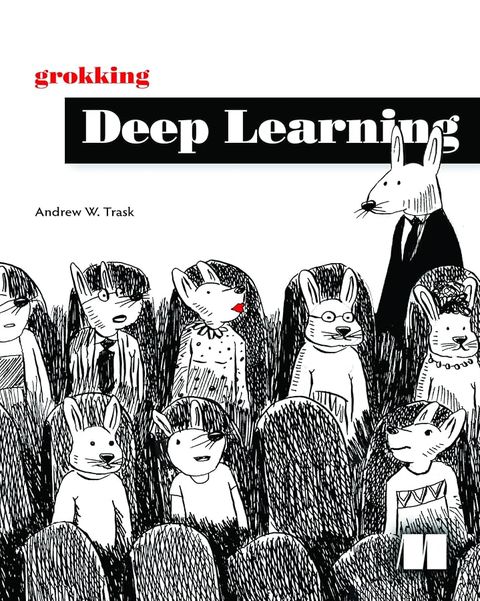
Grokking Deep Learning
A hands-on, framework-free introduction that builds neural networks from scratch in NumPy so readers understand every moving part.
Editorial score: 66.0/100Amazon, Grokking Deep Learning (opens Amazon in a new tab) - Rank 76
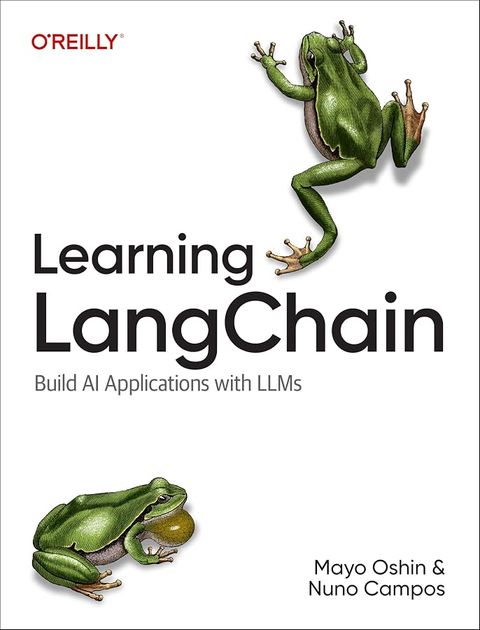
Learning LangChain
A clear, code-first introduction to RAG and LangGraph agents, co-written by LangGraph's creator, though fast-moving APIs date some examples.
Editorial score: 65.3/100Amazon, Learning LangChain (opens Amazon in a new tab) - Rank 77
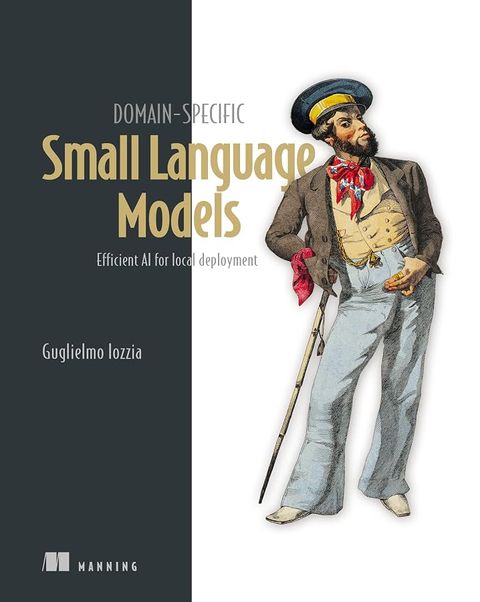
Domain-Specific Small Language Models
A timely, hands-on guide to fine-tuning, quantizing and running small specialized language models on modest hardware, written by an industry practitioner.
Editorial score: 65.5/100Amazon, Domain-Specific Small Language Models (opens Amazon in a new tab) - Rank 78
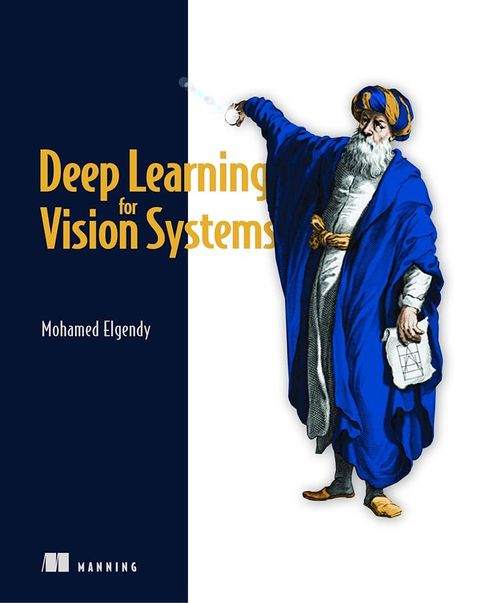
Deep Learning for Vision Systems
A clearly illustrated, Keras-based course in convolutional networks and object detection that teaches vision fundamentals well but predates transformers.
Editorial score: 62.3/100Amazon, Deep Learning for Vision Systems (opens Amazon in a new tab) - Rank 79
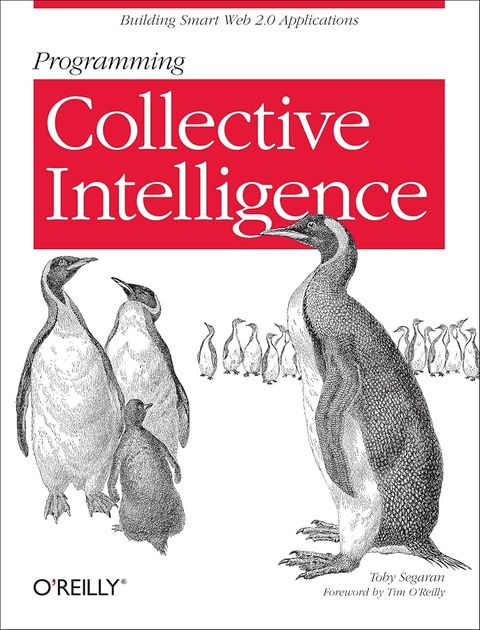
Programming Collective Intelligence
An influential introduction to applied machine learning in Python whose algorithms still teach well, though its code and data sources have aged.
Editorial score: 63.1/100Amazon, Programming Collective Intelligence (opens Amazon in a new tab) - Rank 80
Agentic Architectural Patterns for Building Multi-Agent Systems
An enterprise pattern catalog for production multi-agent systems from Google practitioners, thorough and practical but closely tied to Google's ADK.
Editorial score: 65.0/100Amazon, Agentic Architectural Patterns for Building Multi-Agent Systems (opens Amazon in a new tab) - Rank 81
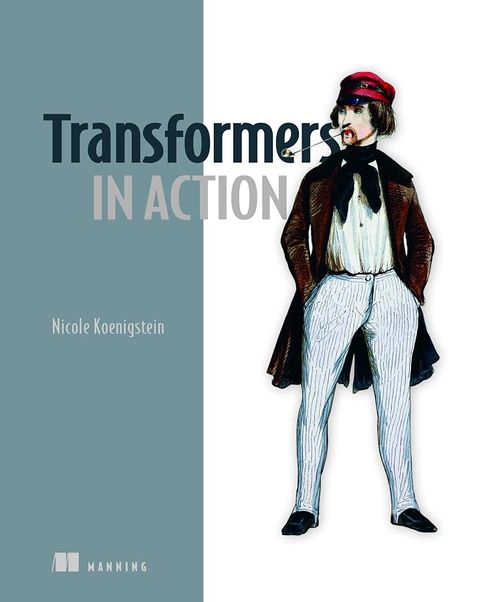
Transformers in Action
A code-forward guide to transformers and LLM adaptation that covers wide ground in 256 pages, occasionally at the expense of depth.
Editorial score: 63.1/100Amazon, Transformers in Action (opens Amazon in a new tab) - Rank 82
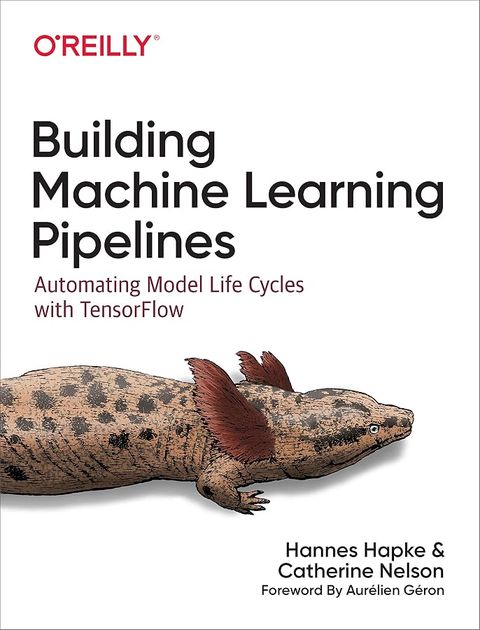
Building Machine Learning Pipelines
A clear, end-to-end walkthrough of production ML pipelines on TensorFlow Extended; its principles endure, but its tooling has aged.
Editorial score: 62.3/100Amazon, Building Machine Learning Pipelines (opens Amazon in a new tab)



Guides
Hands-On AI & Programming guides and lists
-
The 40 Best Hands-On AI and Programming Books (2026)
Forty code-first books for engineers, analysts and students who learn AI by building it, from foundation-model applications and LLMs written from scratch to the statistics, data systems and experiments beneath them.
-
The 30 Best AI Books for Engineers and Developers (2026)
Thirty books for engineers who build with AI, ranked on reach, critical consensus and editorial review, from foundation-model applications and LLM internals to the statistics and data systems beneath them.
