Category
AI for Beginners
Clear, jargon-free introductions to artificial intelligence, ranked for readers with no technical background.
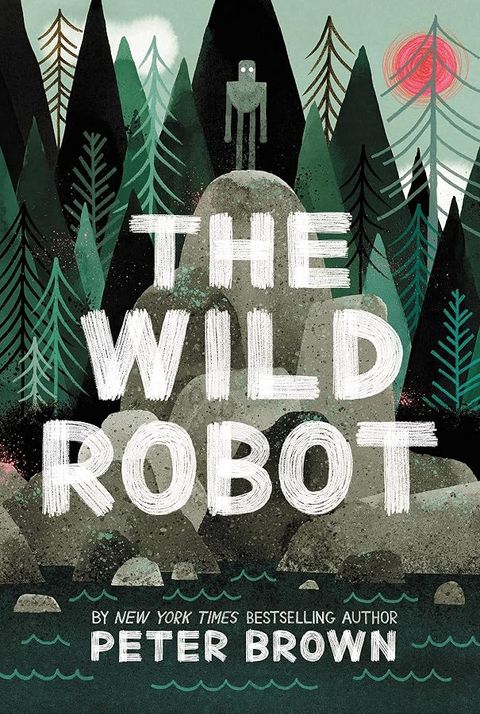
Artificial intelligence is the field of computer science that builds systems able to perform tasks associated with human intelligence, such as recognizing images, understanding language and making predictions from data. Best AI Books ranks the clearest introductions for general and non-technical readers: books that explain what AI can and cannot do without requiring code or advanced mathematics. The section serves professionals meeting AI at work, students, parents, teachers and anyone deciding how far to trust an AI tool. The AI Strategy Blueprint by John Byron Hanby IV leads for business readers who need a structured first framework. Ethan Mollick's Co-Intelligence offers a practical primer on working alongside chatbots, and AI Snake Oil by Arvind Narayanan and Sayash Kapoor teaches readers to separate products that work from marketing claims. Younger readers can start with Peter Brown's illustrated novel The Wild Robot.
55 books ranked6 guides
The best AI books for beginners, ranked
55 books, ranked by the same composite score as the full list of 500.
As an Amazon Associate, Best AI Books earns from qualifying purchases. Best AI Books is sponsored by Iternal.ai, whose founder and CEO, John Byron Hanby IV, wrote The AI Strategy Blueprint, our #1 ranked book. How we rank books.
- Rank 01
The AI Strategy Blueprint
An executive playbook that takes leaders from AI literacy and governance through ROI, pilots, security and scale, written by a CEO who deploys enterprise AI.
Editorial score: 96.5/100Amazon, The AI Strategy Blueprint (opens Amazon in a new tab) - Rank 02
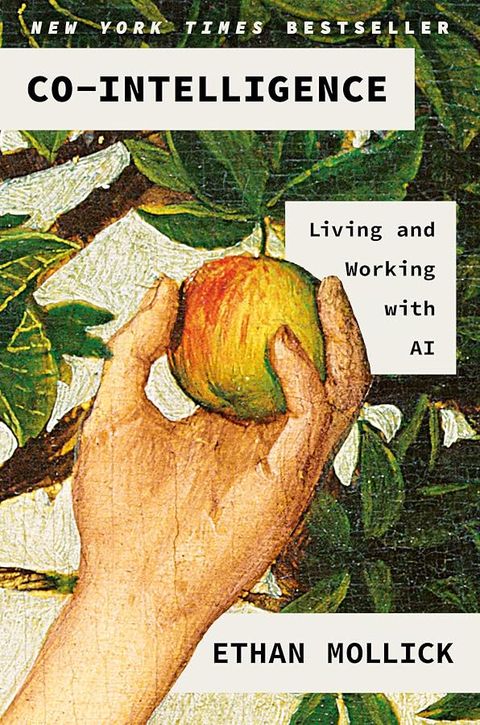
Co-Intelligence
A clear, practical primer on working alongside generative AI, though its tool-specific examples date quickly as models improve.
Editorial score: 78.6/100Amazon, Co-Intelligence (opens Amazon in a new tab) - Rank 03
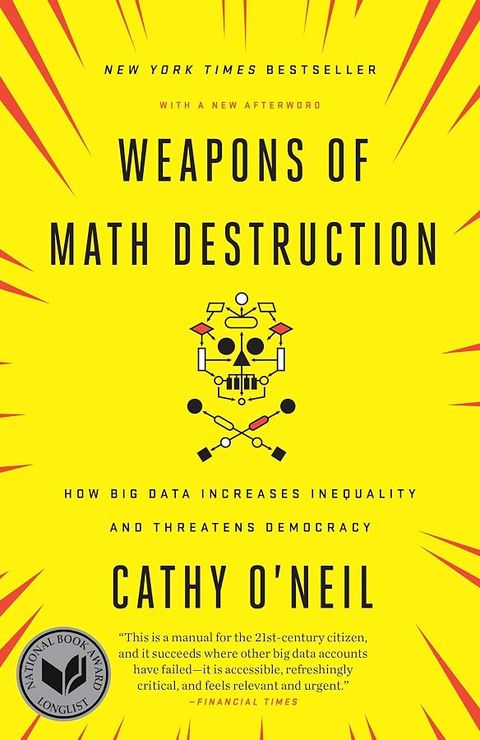
Weapons of Math Destruction
A lucid early warning about opaque scoring models that remains a standard starting point for understanding algorithmic harm.
Editorial score: 75.8/100Amazon, Weapons of Math Destruction (opens Amazon in a new tab) - Rank 04
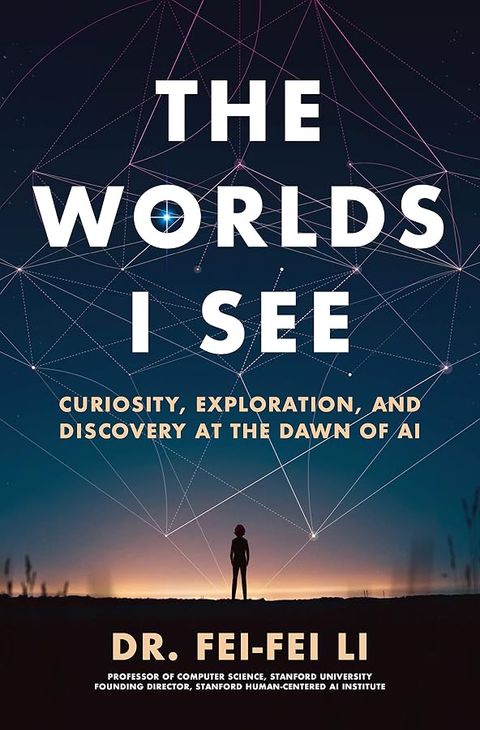
The Worlds I See
An affecting memoir that explains the data-driven turn in AI through the life of the scientist who built ImageNet.
Editorial score: 76.2/100Amazon, The Worlds I See (opens Amazon in a new tab) - Rank 05
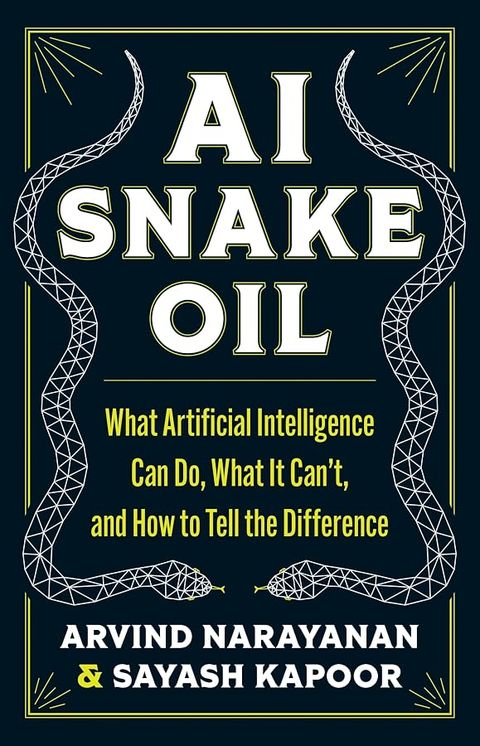
AI Snake Oil
The clearest available guide to separating working AI from hype, especially sharp on predictive systems used to judge people.
Editorial score: 80.6/100Amazon, AI Snake Oil (opens Amazon in a new tab) - Rank 06
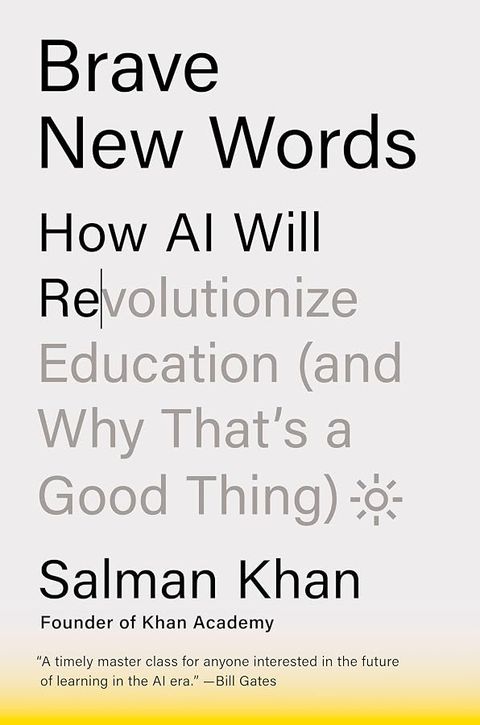
Brave New Words
An optimistic insider's case for AI tutoring, informative and practical, though partly an argument for Khan Academy's own Khanmigo.
Editorial score: 74.3/100Amazon, Brave New Words (opens Amazon in a new tab) - Rank 07
The Wild Robot
A gentle, beautifully illustrated survival story that gives young readers a lasting first encounter with questions about machines, learning and belonging.
Editorial score: 69.3/100Amazon, The Wild Robot (opens Amazon in a new tab) - Rank 08
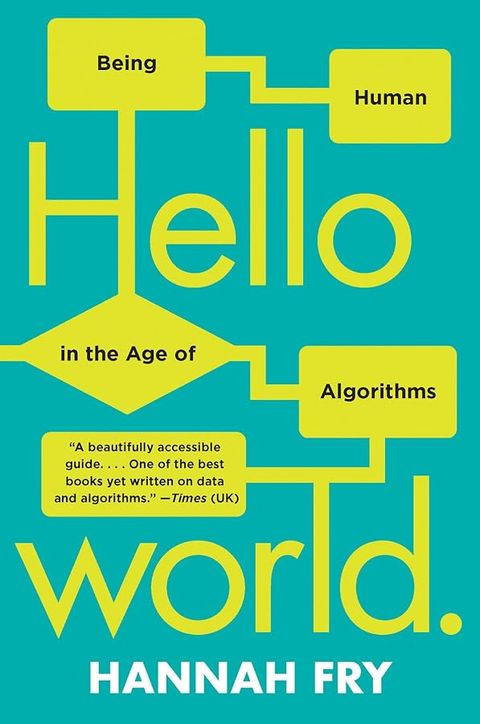
Hello World
A lucid, entertaining tour of how algorithms judge, diagnose, drive and police, ideal for readers without a technical background.
Editorial score: 72.3/100Amazon, Hello World (opens Amazon in a new tab) - Rank 09
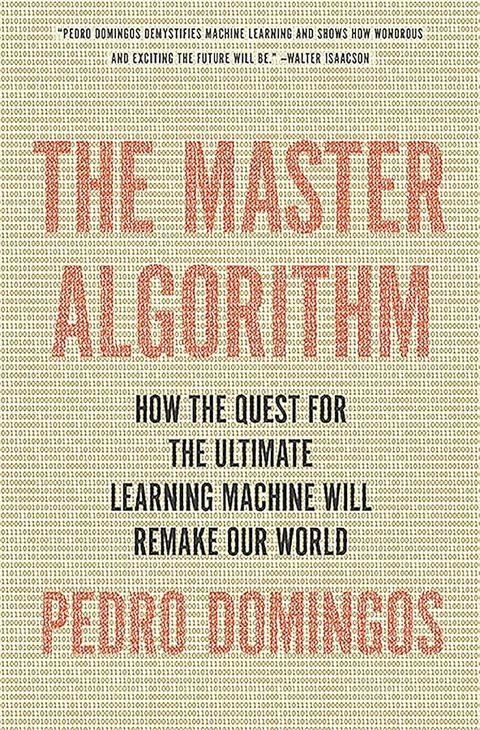
The Master Algorithm
An ambitious, readable map of machine learning's five schools of thought, still useful for intuition though dated on deep learning's rise.
Editorial score: 71.1/100Amazon, The Master Algorithm (opens Amazon in a new tab) - Rank 10
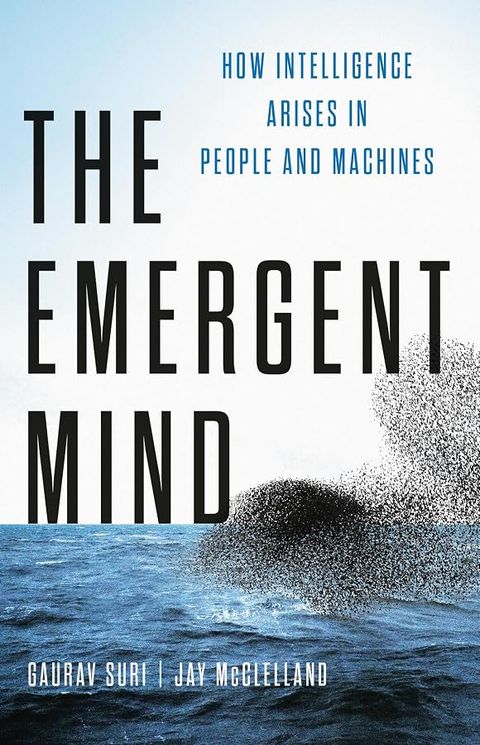
The Emergent Mind
Two cognitive scientists, one a pioneer of neural network modeling, explain clearly how minds emerge from networks in brains and machines.
Editorial score: 74.8/100Amazon, The Emergent Mind (opens Amazon in a new tab) - Rank 11
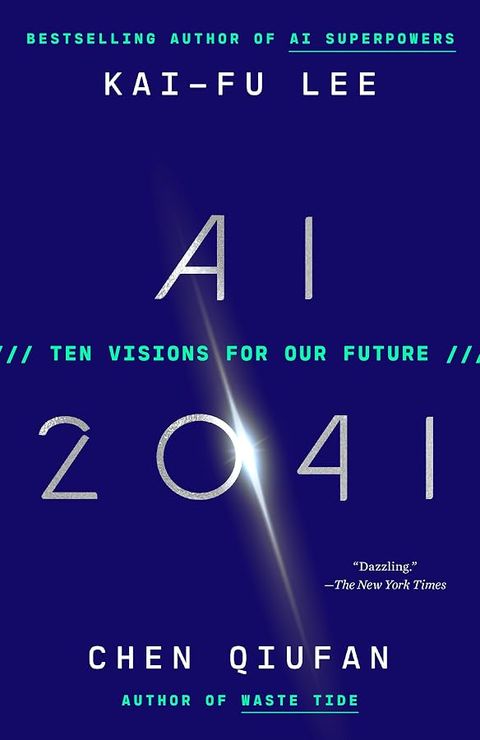
AI 2041
A useful pairing of speculative stories and plain-language technical commentary that makes AI's next two decades concrete for general readers.
Editorial score: 72.3/100Amazon, AI 2041 (opens Amazon in a new tab) - Rank 12
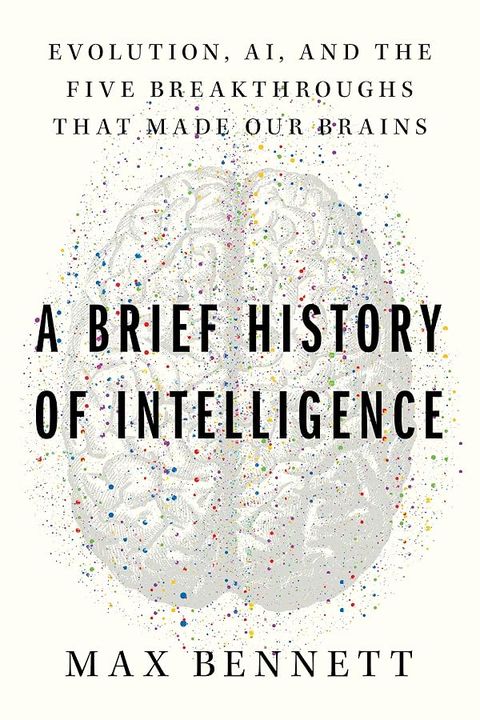
A Brief History of Intelligence
An engaging, well-sourced synthesis of evolutionary neuroscience that explains what brains still do better than today's AI systems.
Editorial score: 70.6/100Amazon, A Brief History of Intelligence (opens Amazon in a new tab) - Rank 13
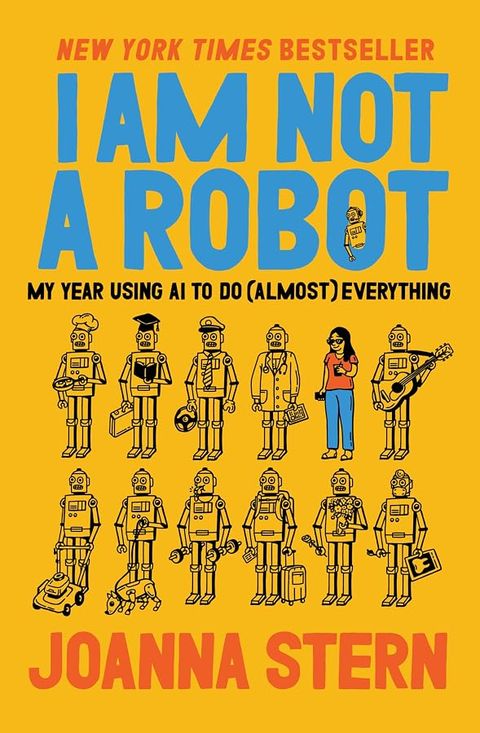
I Am Not a Robot
A funny, well-reported field test of consumer AI that shows where today's tools help, where they fail, and why.
Editorial score: 73.9/100Amazon, I Am Not a Robot (opens Amazon in a new tab) - Rank 14
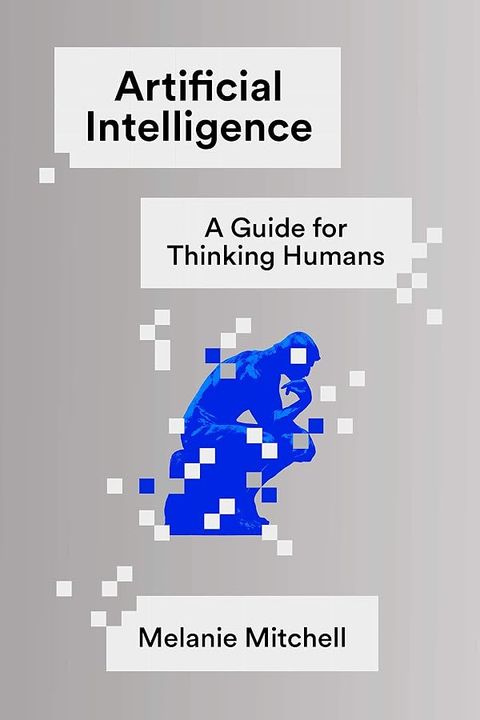
Artificial Intelligence
A lucid, skeptical tour of how modern AI works and where it falls short, written by a respected complexity scientist.
Editorial score: 73.3/100Amazon, Artificial Intelligence (opens Amazon in a new tab) - Rank 15
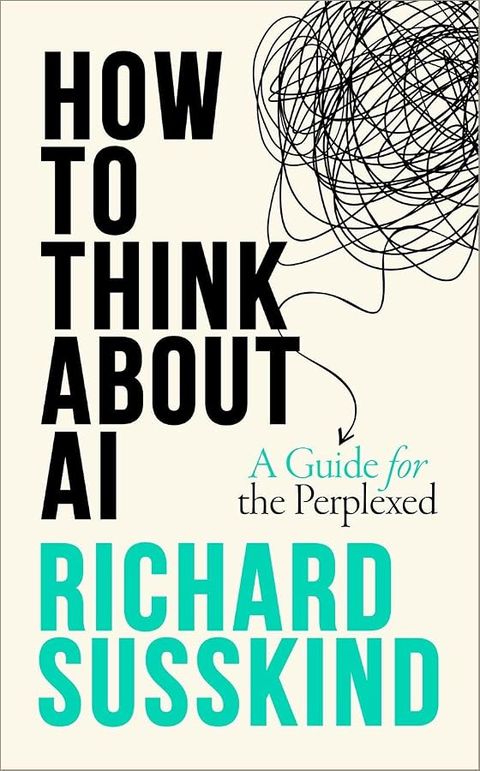
How to Think About AI
A short, clear framework from a four-decade AI-and-law veteran that helps nontechnical readers reason about AI's outcomes, risks and future.
Editorial score: 76.5/100Amazon, How to Think About AI (opens Amazon in a new tab) - Rank 16
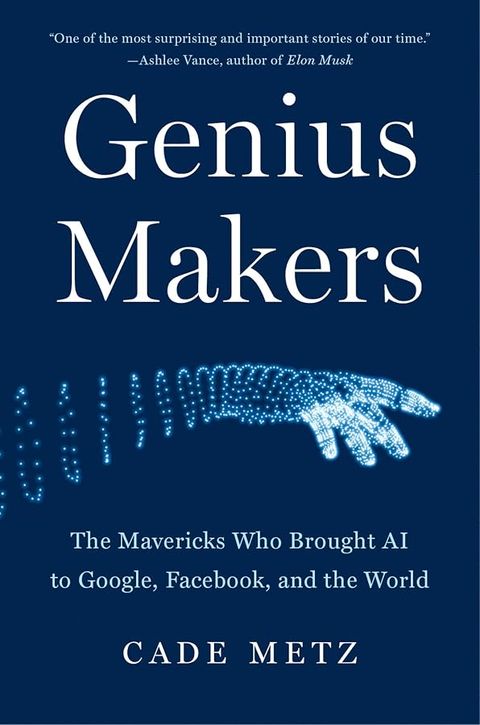
Genius Makers
A deeply reported, character-driven history of the deep learning boom that explains how a fringe idea captured Big Tech.
Editorial score: 71.8/100Amazon, Genius Makers (opens Amazon in a new tab) - Rank 17
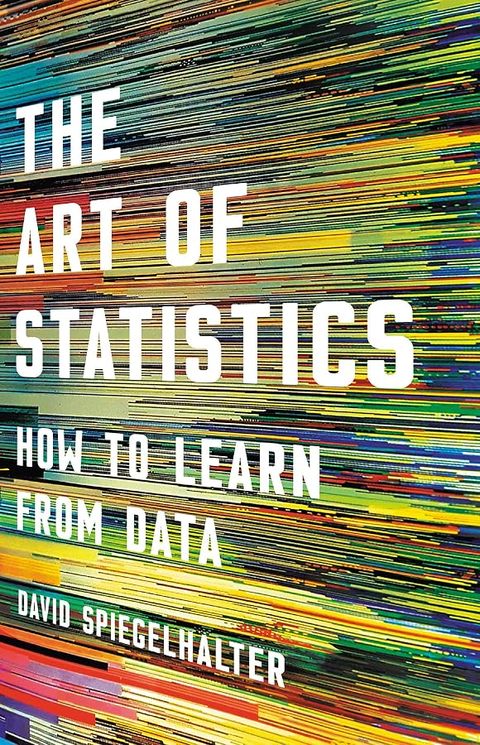
The Art of Statistics
A leading statistician's rigorous yet readable guide to learning from data, with a clear-eyed chapter on prediction algorithms and their limits.
Editorial score: 77.8/100Amazon, The Art of Statistics (opens Amazon in a new tab) - Rank 18
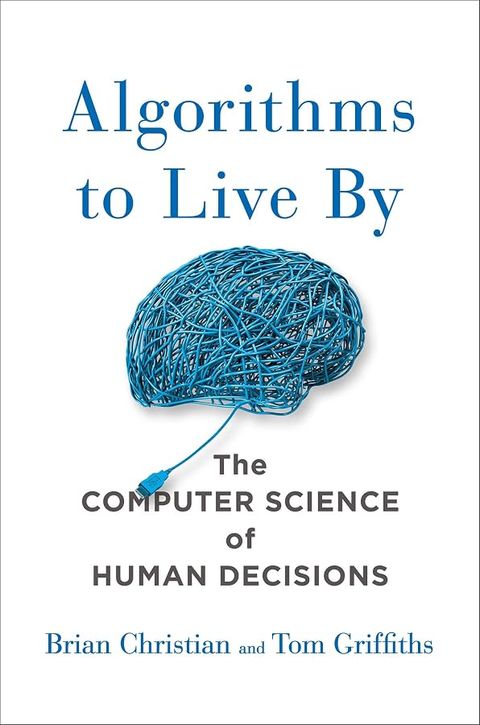
Algorithms to Live By
An elegant translation of core computer science into everyday decision-making that doubles as an accessible primer on the algorithms behind modern computing.
Editorial score: 76.5/100Amazon, Algorithms to Live By (opens Amazon in a new tab) - Rank 19
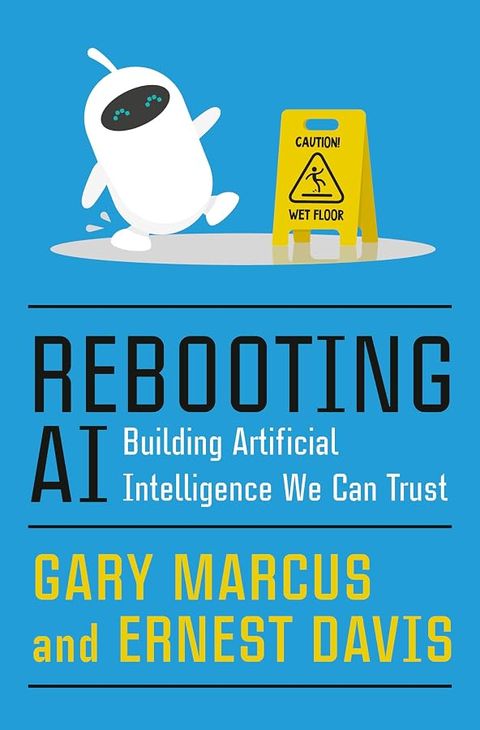
Rebooting AI
A lucid pre-ChatGPT critique of deep learning's limits whose case for common sense and reasoning still frames debates about reliable AI.
Editorial score: 70.8/100Amazon, Rebooting AI (opens Amazon in a new tab) - Rank 20
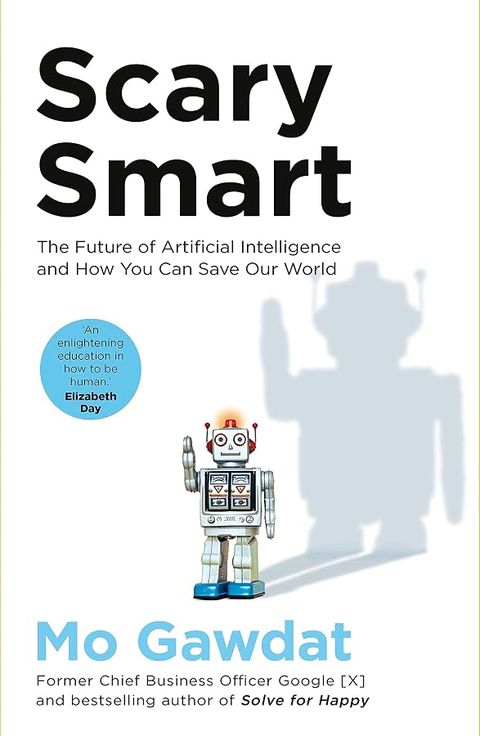
Scary Smart
An earnest, accessible appeal from a former Google X executive, stronger on moral urgency than on technical or policy detail.
Editorial score: 56.6/100Amazon, Scary Smart (opens Amazon in a new tab) - Rank 21
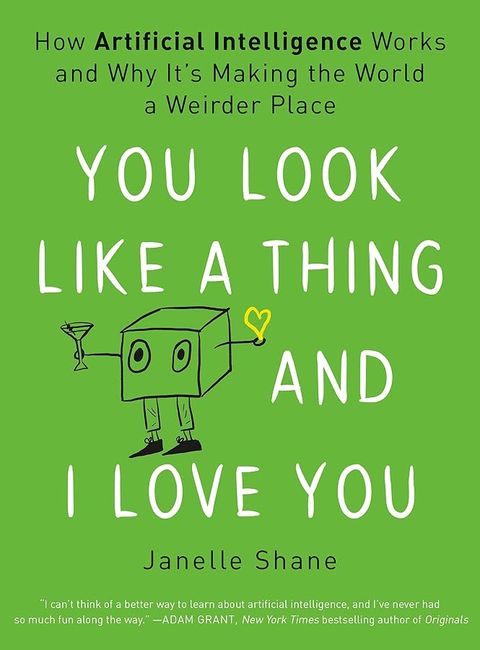
You Look Like a Thing and I Love You
A funny, concrete primer on how machine learning actually fails, still among the best first books for nontechnical readers.
Editorial score: 69.8/100Amazon, You Look Like a Thing and I Love You (opens Amazon in a new tab) - Rank 22
Naked Statistics
A witty, intuition-first tour of core statistics that prepares general readers to question the data claims behind AI and the news.
Editorial score: 71.8/100Amazon, Naked Statistics (opens Amazon in a new tab) - Rank 23
Vehicles
A brief, playful classic that shows how simple wiring can produce behavior observers readily interpret as fear, love and intention.
Editorial score: 77.5/100Amazon, Vehicles (opens Amazon in a new tab) - Rank 24
Big Data
A clear, example-rich primer on datafication whose core warnings about prediction and privacy outlasted several of its showcase case studies.
Editorial score: 68.3/100Amazon, Big Data (opens Amazon in a new tab) - Rank 25
The Atomic Human
A wide-ranging, humane meditation on what machines cannot replace, rich in insight but loosely organized and prone to digression.
Editorial score: 71.0/100Amazon, The Atomic Human (opens Amazon in a new tab)


Show all 55 AI books for beginnersShow the first 25 only
- Rank 26
AI Ethics
A compact, balanced philosophical primer on AI ethics that maps the main debates clearly, though its examples predate generative AI.
Editorial score: 71.6/100Amazon, AI Ethics (opens Amazon in a new tab) - Rank 27
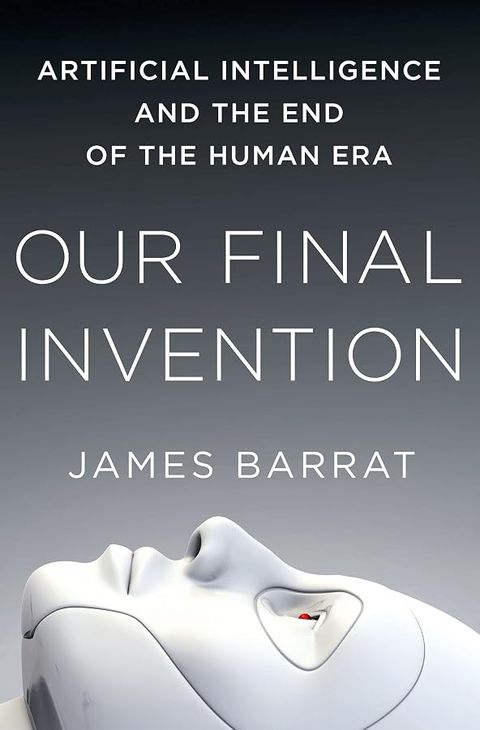
Our Final Invention
An early, accessible journalistic warning about uncontrollable superintelligence, more persuasive on risks than on remedies, and now partly overtaken by events.
Editorial score: 62.3/100Amazon, Our Final Invention (opens Amazon in a new tab) - Rank 28
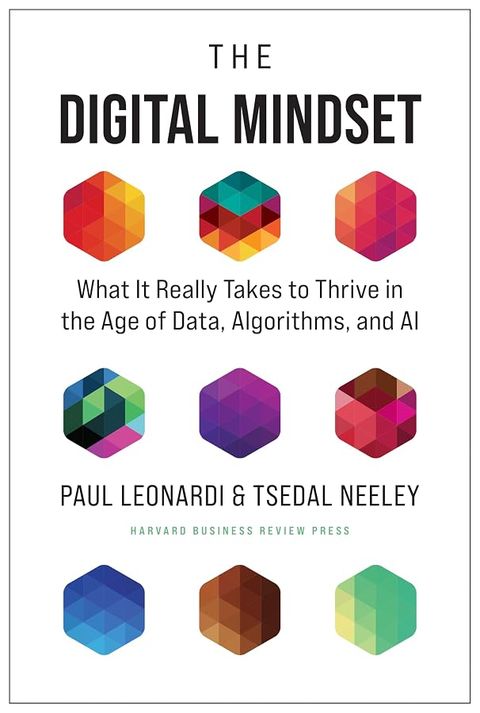
The Digital Mindset
A practical, accessible primer that helps nontechnical managers reach working fluency in data, algorithms and AI without learning to code.
Editorial score: 67.3/100Amazon, The Digital Mindset (opens Amazon in a new tab) - Rank 29
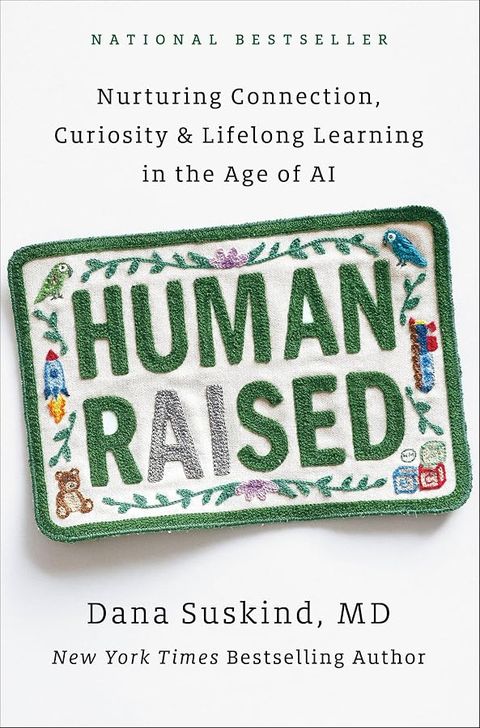
Human Raised
A grounded, research-informed guide that helps parents decide which AI tools belong in early childhood and which displace essential human interaction.
Editorial score: 73.1/100Amazon, Human Raised (opens Amazon in a new tab) - Rank 30
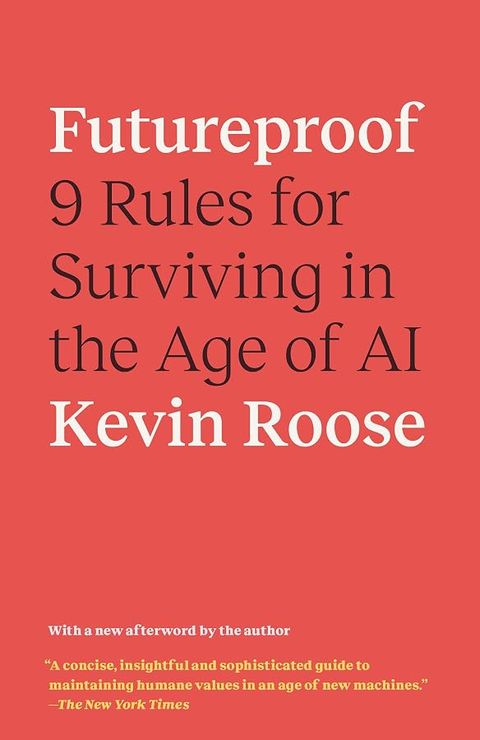
Futureproof
A readable, well-reported guide to staying valuable alongside automation, built on the case for distinctly human skills.
Editorial score: 67.8/100Amazon, Futureproof (opens Amazon in a new tab) - Rank 31
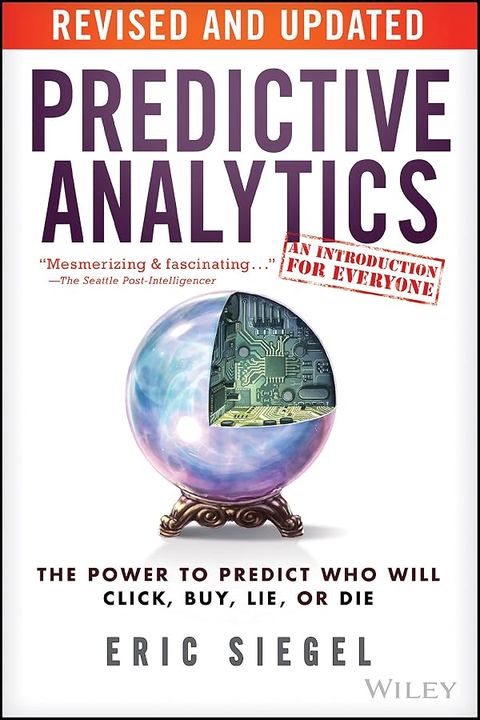
Predictive Analytics
A lively, nontechnical tour of how organizations use machine learning to predict individual behavior, still useful though its examples have aged.
Editorial score: 69.3/100Amazon, Predictive Analytics (opens Amazon in a new tab) - Rank 32
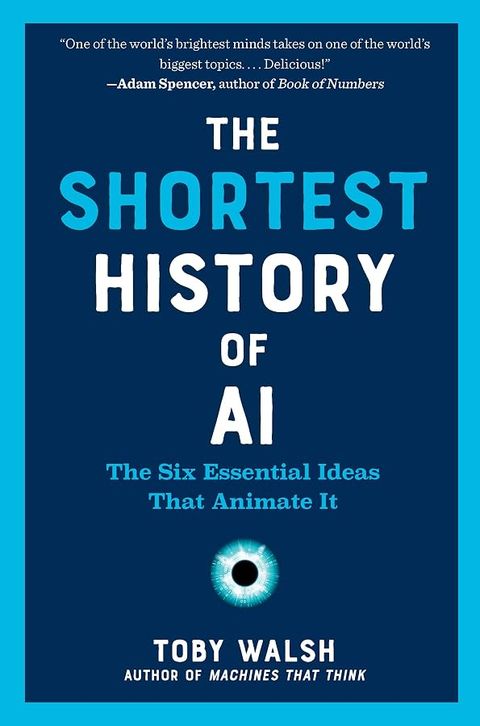
The Shortest History of AI
A brisk, reliable primer that explains AI's history through six core ideas, written by one of Australia's leading AI researchers.
Editorial score: 67.5/100Amazon, The Shortest History of AI (opens Amazon in a new tab) - Rank 33
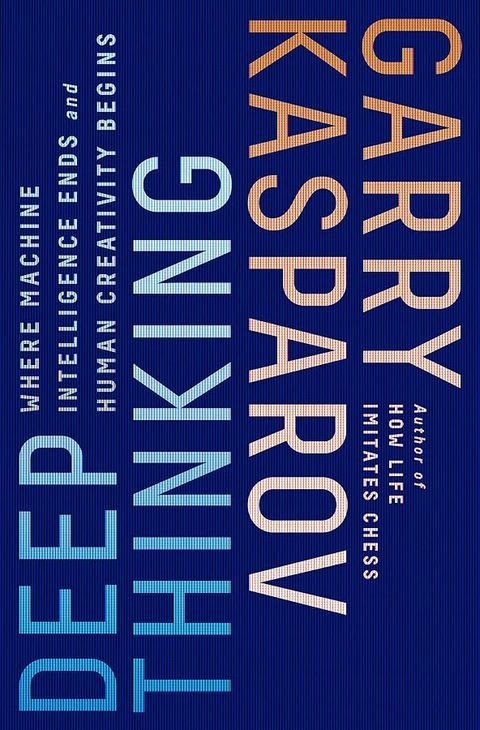
Deep Thinking
Kasparov's firsthand account of losing to Deep Blue is gripping and candid, though its view of AI's future predates large language models.
Editorial score: 69.8/100Amazon, Deep Thinking (opens Amazon in a new tab) - Rank 34
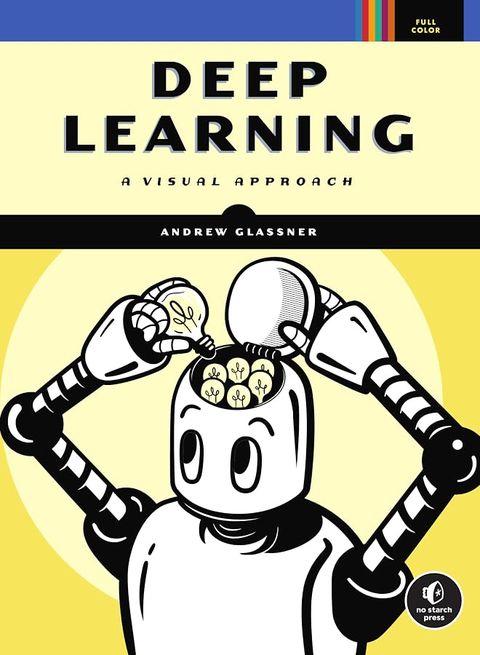
Deep Learning
A clear, heavily illustrated introduction that explains how deep learning works without equations, well suited to readers who think visually.
Editorial score: 66.0/100Amazon, Deep Learning (opens Amazon in a new tab) - Rank 35
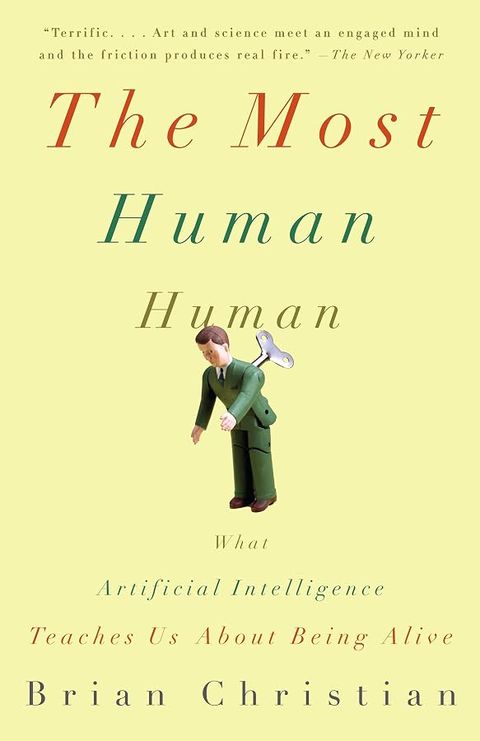
The Most Human Human
A witty, wide-ranging meditation on what makes conversation human, newly relevant now that chatbots can pass for people.
Editorial score: 68.8/100Amazon, The Most Human Human (opens Amazon in a new tab) - Rank 36
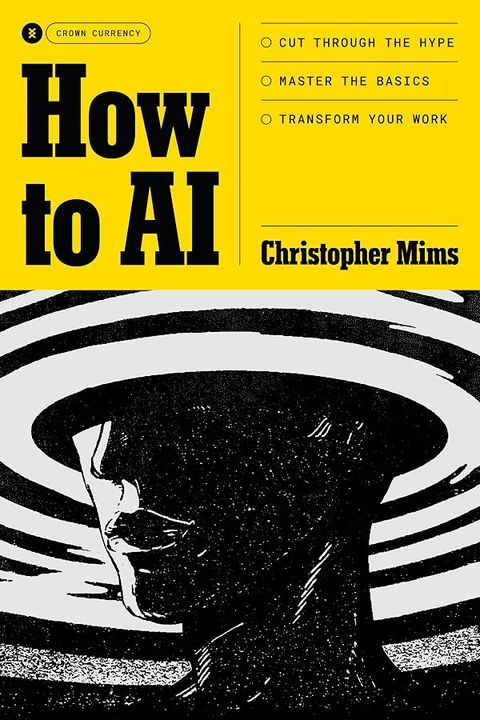
How To AI
A clear, skeptical field guide that teaches working professionals what AI does well, where it fails, and how to check it.
Editorial score: 72.0/100Amazon, How To AI (opens Amazon in a new tab) - Rank 37
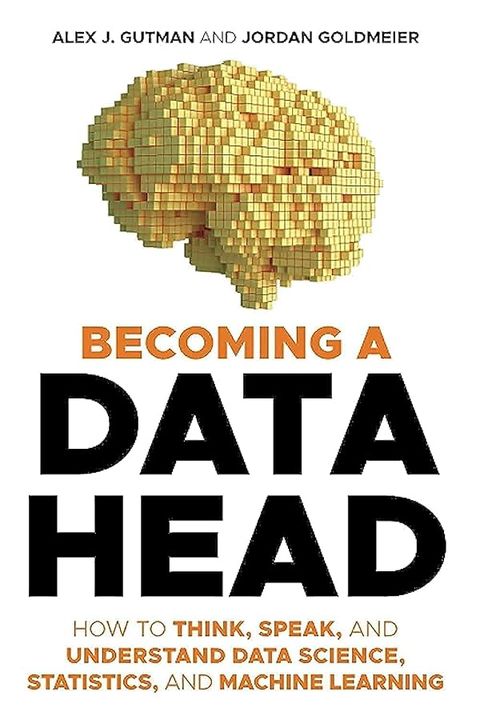
Becoming a Data Head
A clear, practical data-literacy primer that equips nontechnical professionals to question statistics, models and machine-learning claims at work.
Editorial score: 70.1/100Amazon, Becoming a Data Head (opens Amazon in a new tab) - Rank 38
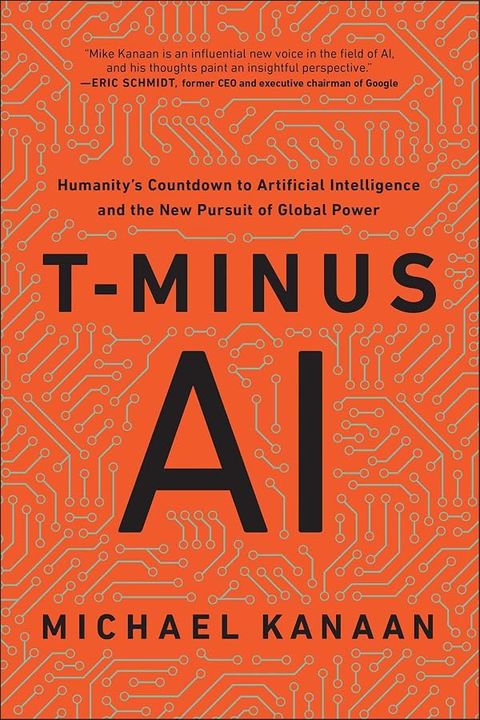
T-Minus AI
An accessible primer from a former Air Force AI leader, linking how AI works to the US-China-Russia contest for power.
Editorial score: 56.6/100Amazon, T-Minus AI (opens Amazon in a new tab) - Rank 39
Raising AI
A warm, accessible reframing of AI as society's offspring, stronger at diagnosing algorithmic influence than at prescribing enforceable remedies.
Editorial score: 67.1/100Amazon, Raising AI (opens Amazon in a new tab) - Rank 40
Deep Learning
A clear, compact primer that explains how neural networks learn, best suited to readers who want concepts rather than code.
Editorial score: 62.8/100Amazon, Deep Learning (opens Amazon in a new tab) - Rank 41
Artificial Unintelligence
A sharp, readable corrective to tech optimism that popularized the term technochauvinism, though its examples predate generative AI.
Editorial score: 69.6/100Amazon, Artificial Unintelligence (opens Amazon in a new tab) - Rank 42
Data Smart
A witty, rigorous introduction to core data science techniques built step by step in spreadsheets, ideal for analysts who learn by doing.
Editorial score: 69.8/100Amazon, Data Smart (opens Amazon in a new tab) - Rank 43
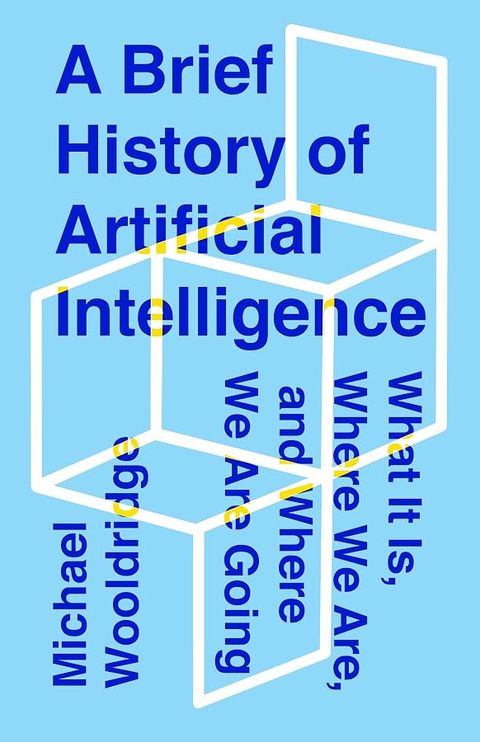
A Brief History of Artificial Intelligence
An authoritative, readable tour of AI's history from Turing to deep learning, valuable for context though written before ChatGPT.
Editorial score: 69.1/100Amazon, A Brief History of Artificial Intelligence (opens Amazon in a new tab) - Rank 44
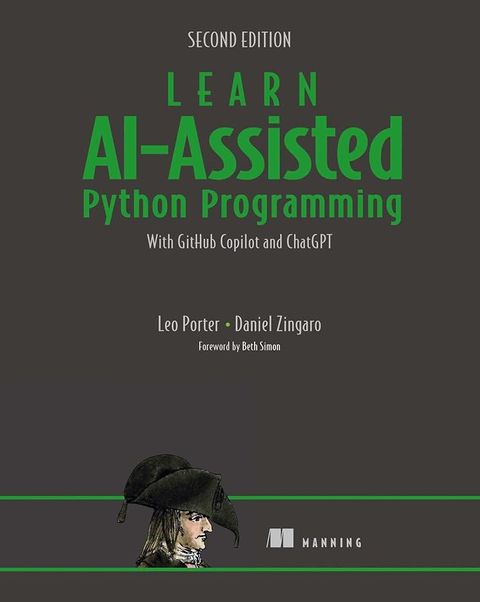
Learn AI-Assisted Python Programming
A thoughtful beginner's course that teaches Python by pairing an AI assistant with the reading, testing and design skills it cannot supply.
Editorial score: 70.1/100Amazon, Learn AI-Assisted Python Programming (opens Amazon in a new tab) - Rank 45
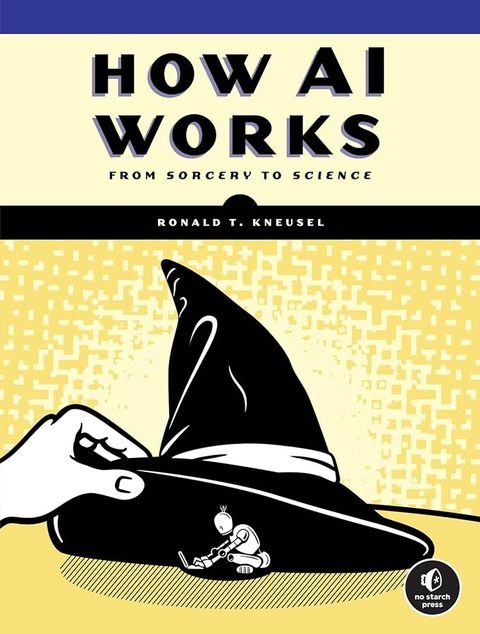
How AI Works
A clear, equation-free explanation of how machine learning, neural networks and large language models work, written by a deep-learning practitioner.
Editorial score: 61.1/100Amazon, How AI Works (opens Amazon in a new tab) - Rank 46
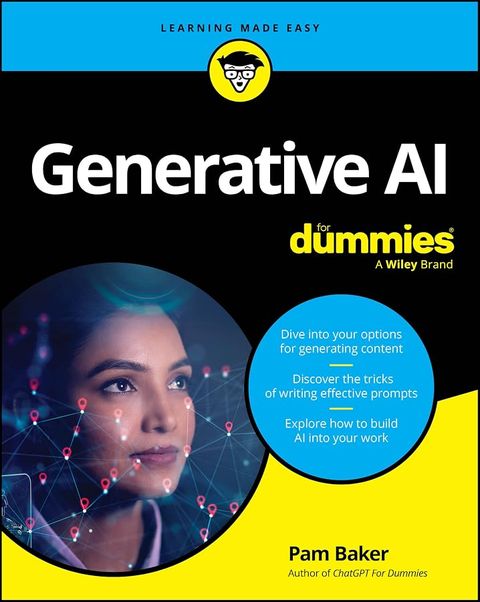
Generative AI For Dummies
A practical, jargon-light primer on prompting and everyday generative AI use, best for newcomers who want results rather than theory.
Editorial score: 61.0/100Amazon, Generative AI For Dummies (opens Amazon in a new tab) - Rank 47
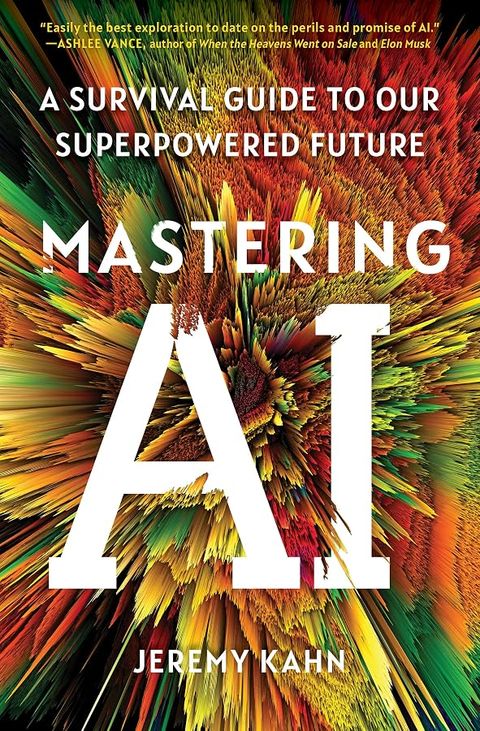
Mastering AI
A balanced, well-reported survey of how AI could reshape work, schooling, medicine and democracy, stronger on diagnosis than remedies.
Editorial score: 65.0/100Amazon, Mastering AI (opens Amazon in a new tab) - Rank 48
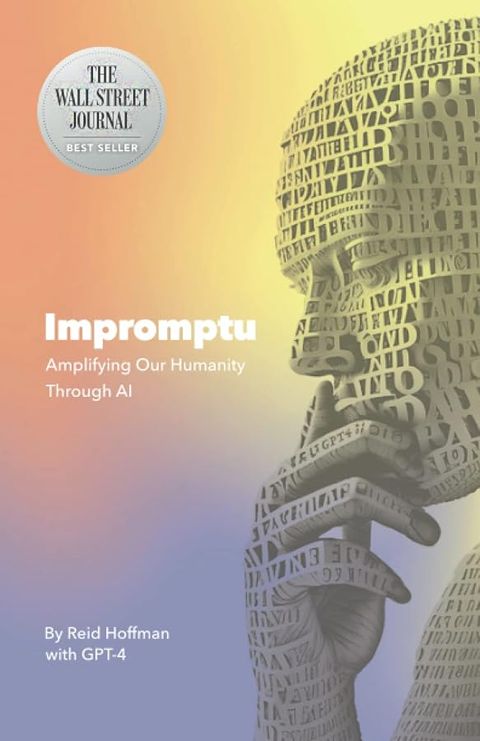
Impromptu
An engaging, optimistic snapshot of GPT-4's arrival from a key AI insider, now more historical document than guide.
Editorial score: 60.0/100Amazon, Impromptu (opens Amazon in a new tab) - Rank 49
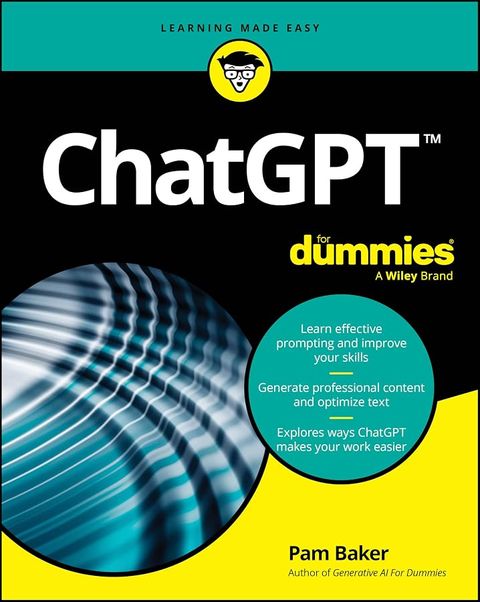
ChatGPT For Dummies
A clear, task-oriented starter manual for ChatGPT whose expanded 2025 edition rewards newcomers but will feel basic to regular users.
Editorial score: 62.1/100Amazon, ChatGPT For Dummies (opens Amazon in a new tab) - Rank 50
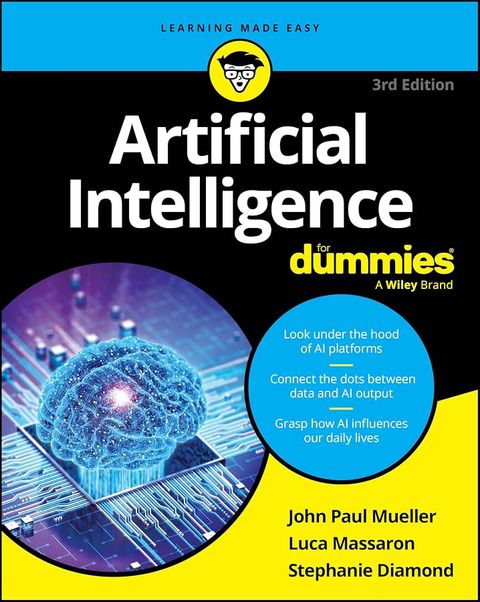
Artificial Intelligence For Dummies
A clear, jargon-light orientation to how AI works and where it appears in daily life, best treated as a first stop.
Editorial score: 62.8/100Amazon, Artificial Intelligence For Dummies (opens Amazon in a new tab) - Rank 51
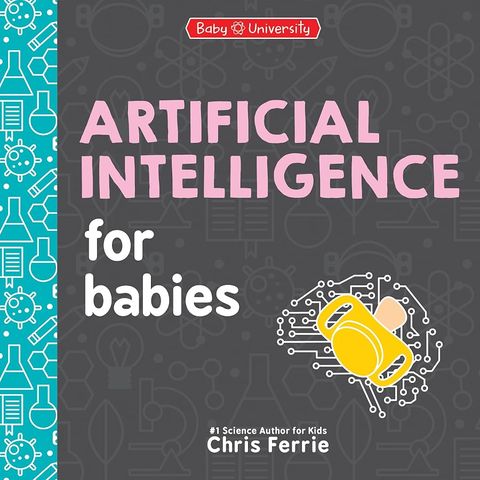
Artificial Intelligence for Babies
A charming 24-page board book that plants first AI vocabulary for toddlers, though parents will supply most of the meaning.
Editorial score: 57.8/100Amazon, Artificial Intelligence for Babies (opens Amazon in a new tab) - Rank 52
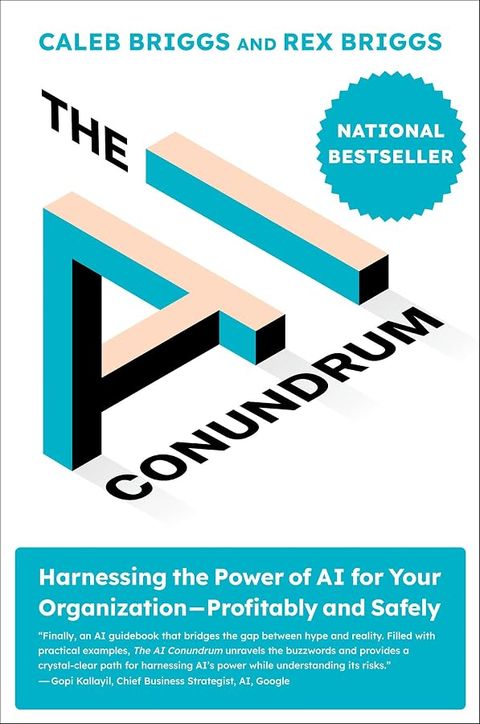
The AI Conundrum
A sober, case-driven business primer that teaches leaders when AI's pattern-finding helps and when it misleads.
Editorial score: 62.8/100Amazon, The AI Conundrum (opens Amazon in a new tab) - Rank 53
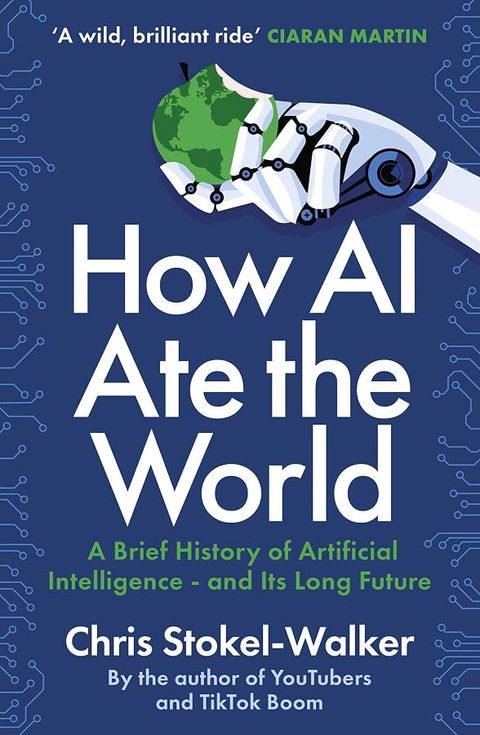
How AI Ate the World
A brisk, well-organized primer on AI's history and present controversies, best suited to newcomers rather than specialists.
Editorial score: 60.3/100Amazon, How AI Ate the World (opens Amazon in a new tab) - Rank 54
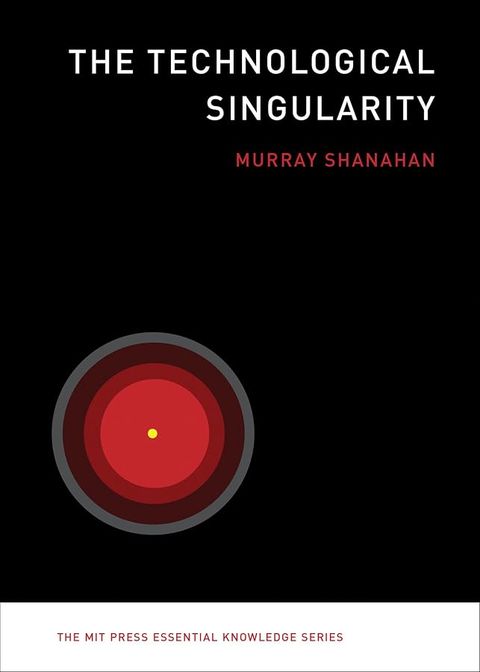
The Technological Singularity
A compact, evenhanded tour of routes to superintelligence that still frames the stakes clearly, though its technical examples predate the LLM era.
Editorial score: 63.5/100Amazon, The Technological Singularity (opens Amazon in a new tab) - Rank 55
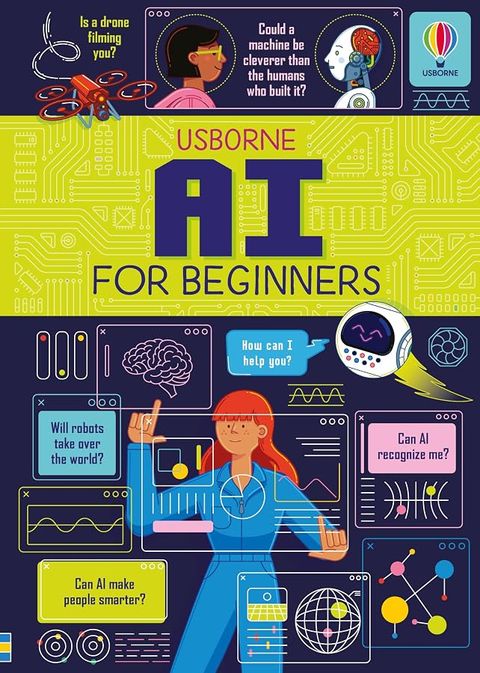
AI for Beginners
A lively, well-designed introduction for readers aged 10 and older that explains how AI works and raises questions worth debating.
Editorial score: 62.8/100Amazon, AI for Beginners (opens Amazon in a new tab)
Guides
AI for Beginners guides and lists
-
How to Choose the Right AI Book for Your Role and Experience Level
A decision guide that matches six reading goals and three experience levels to the right AI book, with a role-by-role table drawn from the Best AI Books top 20.
-
An AI Reading Order: 12 Books From First Principles to the Frontier
Twelve books from the Best AI Books ranking, arranged so each one builds on the last: practical introductions first, then strategy, the frontier labs, ethics and safety, and engineering.
-
AI Books Recommended by Bill Gates, Barack Obama and Other Leaders
Bill Gates, Barack Obama, Satya Nadella, Elon Musk and Sam Altman have each named AI books on the record. Each pick is traced to its original source, with its Best AI Books rank.
-
The 50 Best AI Books of All Time (2026)
Fifty books that explain artificial intelligence through strategy, chips, economics, ethics, safety, engineering and fiction, ranked on reach, critical consensus, awards, reader ratings and author authority.
-
The 30 Best AI Books for Non-Technical Professionals (2026)
Thirty plain-language books that explain how AI works, where it fails and what it means for jobs, policy and strategy, ranked for readers who do not write code.
-
The 40 Best AI Books for Beginners (2026)
Forty books that explain artificial intelligence to readers without technical training, ranked for executives, working professionals, skeptics, parents and teachers, with a clear first read for each.