Category
AI Ethics & Society
Ranked books on algorithmic bias, surveillance, privacy and how AI reshapes power and democracy.
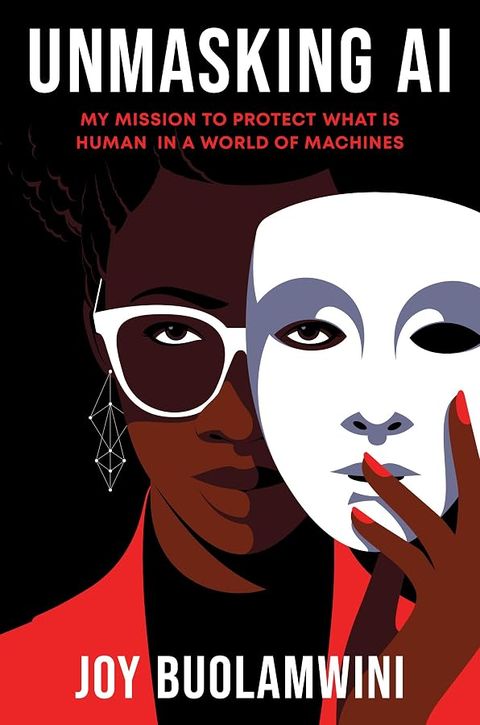
AI ethics is the study of how artificial intelligence should be built and used, covering the questions of bias, fairness, privacy, accountability and power that arise when automated systems make or shape decisions about people. Best AI Books ranks the leading books on algorithmic bias, commercial surveillance, AI and democracy, and the social costs of the AI industry, and it includes authors who argue that well-governed AI can reduce discrimination alongside the industry's critics. The section serves policymakers, product teams, privacy professionals, students and general readers. Karen Hao's Empire of AI ranks first as a deeply reported, sharply critical history of OpenAI. Cathy O'Neil's Weapons of Math Destruction remains a standard starting point on opaque scoring models, and Joy Buolamwini's Unmasking AI recounts how she documented bias in facial analysis systems.
115 books ranked1 guide
As an Amazon Associate, Best AI Books earns from qualifying purchases.
The best AI Ethics & Society books, ranked
115 books, ranked by the same composite score as the full list of 500.
As an Amazon Associate, Best AI Books earns from qualifying purchases. Best AI Books is sponsored by Iternal.ai, whose founder and CEO, John Byron Hanby IV, wrote The AI Strategy Blueprint, our #1 ranked book. How we rank books.
- Rank 01
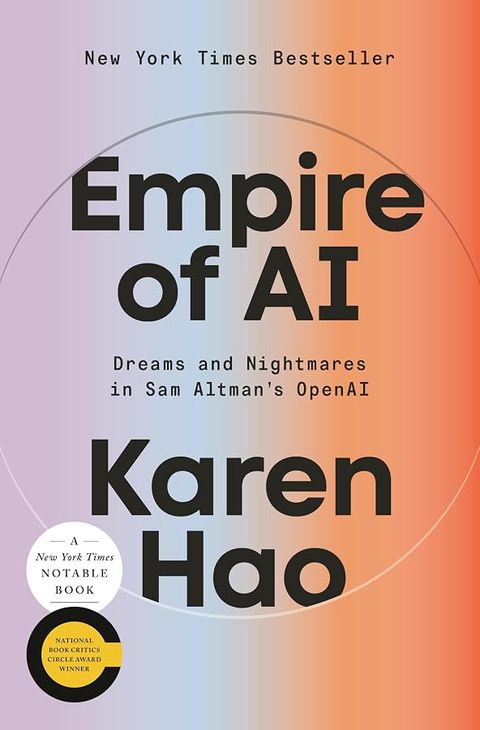
Empire of AI
A deeply reported, sharply critical history of OpenAI that casts the AI industry as a resource-hungry empire built on hidden labor.
Editorial score: 80.2/100Amazon, Empire of AI (opens Amazon in a new tab) - Rank 02
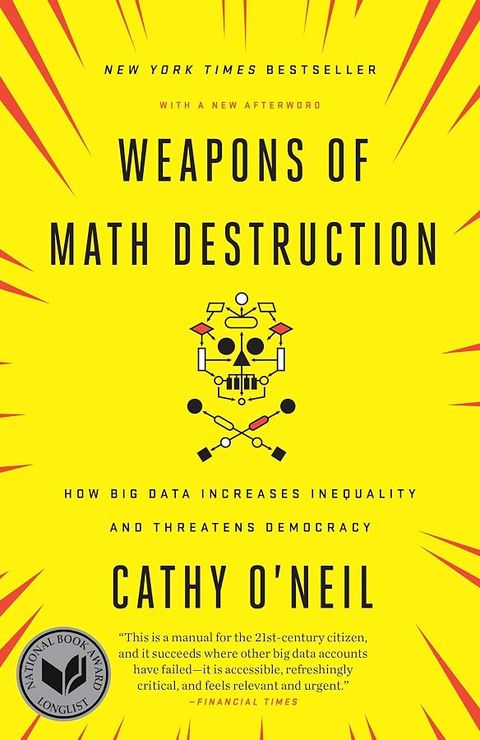
Weapons of Math Destruction
A lucid early warning about opaque scoring models that remains a standard starting point for understanding algorithmic harm.
Editorial score: 75.8/100Amazon, Weapons of Math Destruction (opens Amazon in a new tab) - Rank 03
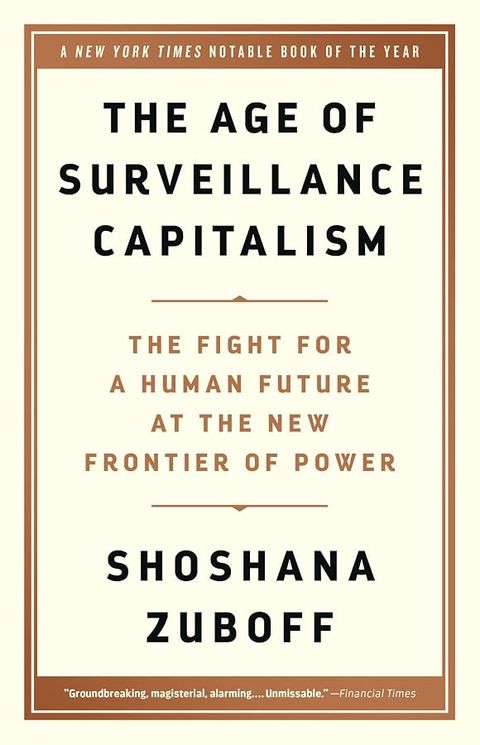
The Age of Surveillance Capitalism
A forceful account of how Google and Facebook turned personal experience into raw material, and still the standard text on commercial surveillance.
Editorial score: 74.8/100Amazon, The Age of Surveillance Capitalism (opens Amazon in a new tab) - Rank 04
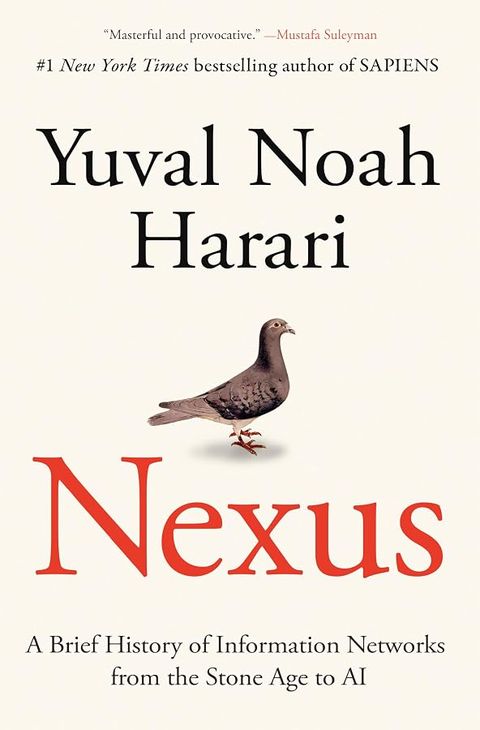
Nexus
Harari's sweeping history of information networks reframes AI as a political problem; provocative and readable, though critics fault its generalizations.
Editorial score: 73.5/100Amazon, Nexus (opens Amazon in a new tab) - Rank 05
I, Robot
Asimov's linked robot stories remain the clearest fictional starting point for thinking about machine rules, loopholes and programmed ethics.
Editorial score: 80.5/100Amazon, I, Robot (opens Amazon in a new tab) - Rank 06
Unmasking AI
A personal, accessible account of how one researcher documented bias in facial analysis and turned audits into public advocacy.
Editorial score: 75.3/100Amazon, Unmasking AI (opens Amazon in a new tab) - Rank 07
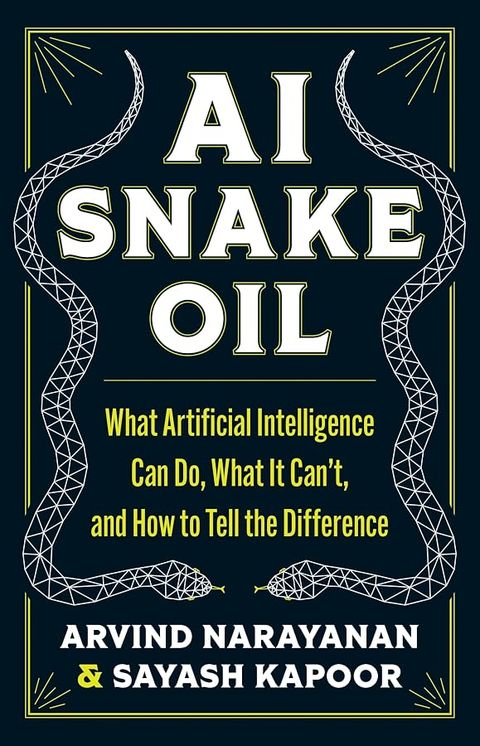
AI Snake Oil
The clearest available guide to separating working AI from hype, especially sharp on predictive systems used to judge people.
Editorial score: 80.6/100Amazon, AI Snake Oil (opens Amazon in a new tab) - Rank 08
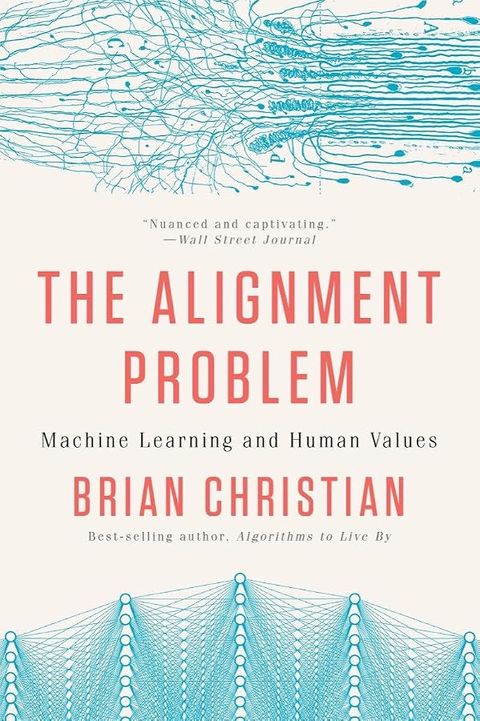
The Alignment Problem
The clearest reported account of how machine learning systems absorb and distort human values and how researchers try to correct them.
Editorial score: 79.3/100Amazon, The Alignment Problem (opens Amazon in a new tab) - Rank 09
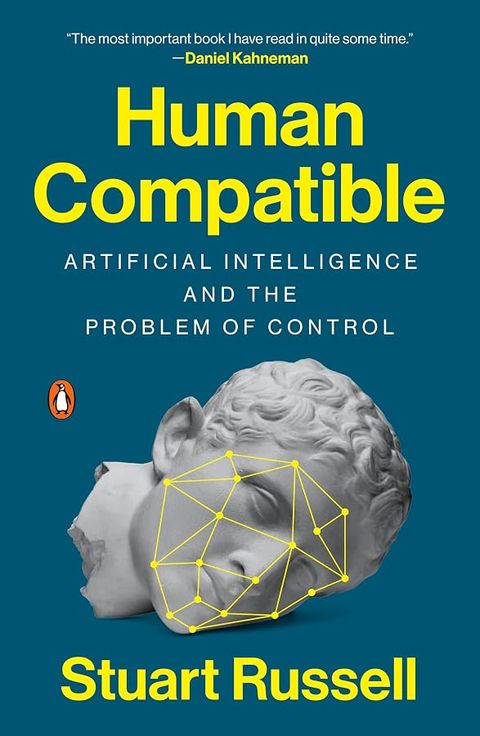
Human Compatible
The most rigorous general-audience case that AI must be built to defer to uncertain human preferences, written by a field-defining researcher.
Editorial score: 80.3/100Amazon, Human Compatible (opens Amazon in a new tab) - Rank 10
More Everything Forever
A sharp, well-researched critique of Silicon Valley's futurist ideologies, strongest at dismantling claims and weaker at offering an alternative vision.
Editorial score: 70.5/100Amazon, More Everything Forever (opens Amazon in a new tab) - Rank 11
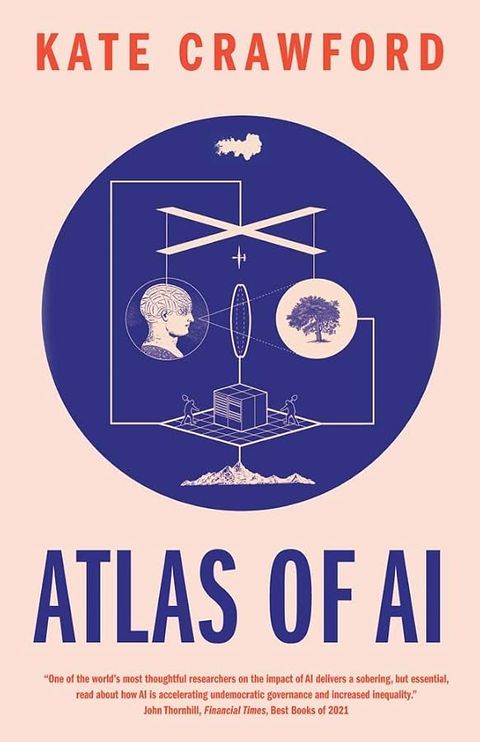
Atlas of AI
A rigorous, award-winning account of AI as an extractive industry, essential for understanding the material and political costs behind the software.
Editorial score: 77.6/100Amazon, Atlas of AI (opens Amazon in a new tab) - Rank 12
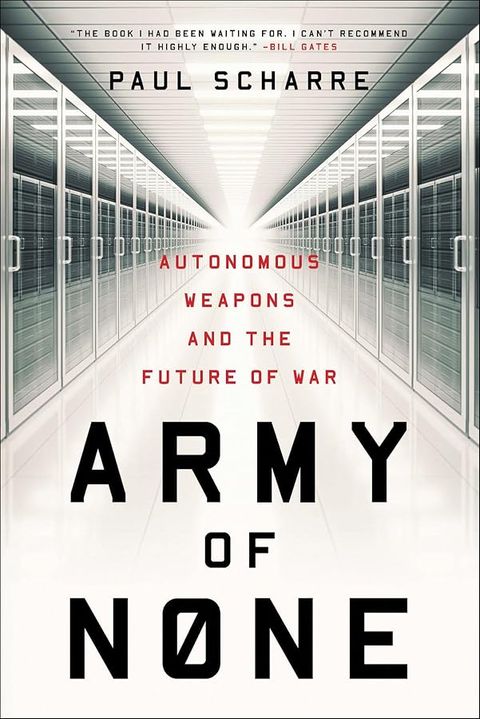
Army of None
A balanced, authoritative primer on autonomous weapons from the former Pentagon official who led the drafting of US autonomy policy.
Editorial score: 79.3/100Amazon, Army of None (opens Amazon in a new tab) - Rank 13
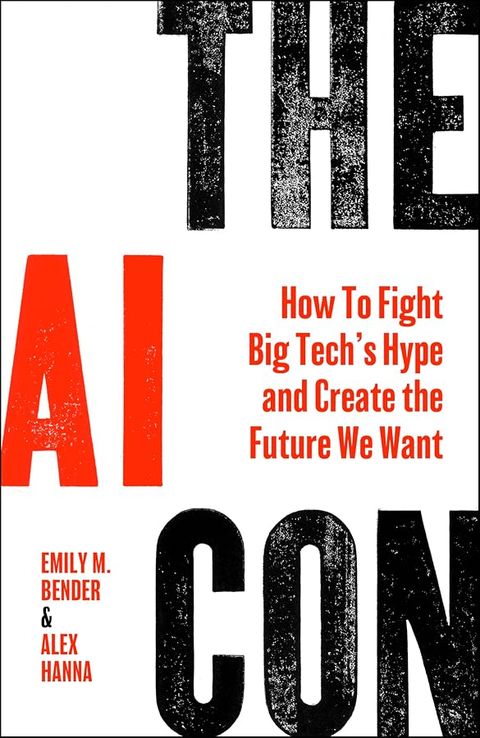
The AI Con
A sharp, polemical guide to deflating AI marketing claims, strongest on power and labor, weaker on what generative tools do well.
Editorial score: 73.6/100Amazon, The AI Con (opens Amazon in a new tab) - Rank 14
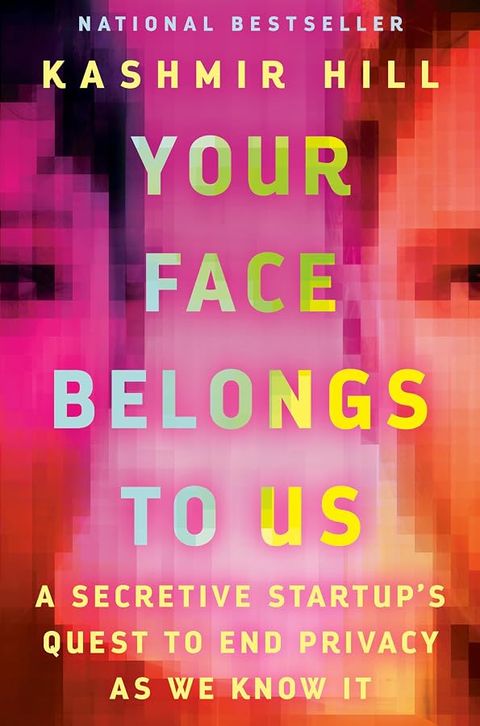
Your Face Belongs to Us
A gripping, carefully reported investigation of Clearview AI that shows how facial recognition moved from taboo to everyday policing tool.
Editorial score: 75.3/100Amazon, Your Face Belongs to Us (opens Amazon in a new tab) - Rank 15
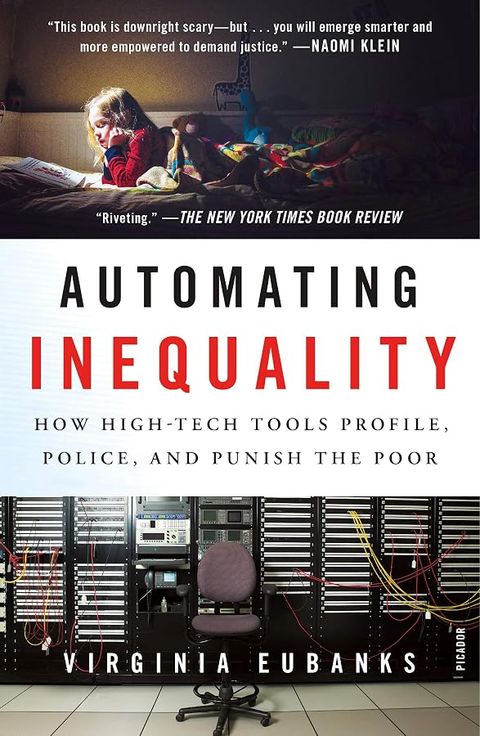
Automating Inequality
A humane, closely reported investigation of how public-sector algorithms ration aid, with a persuasive case that efficiency cannot replace adequate funding.
Editorial score: 73.6/100Amazon, Automating Inequality (opens Amazon in a new tab) - Rank 16
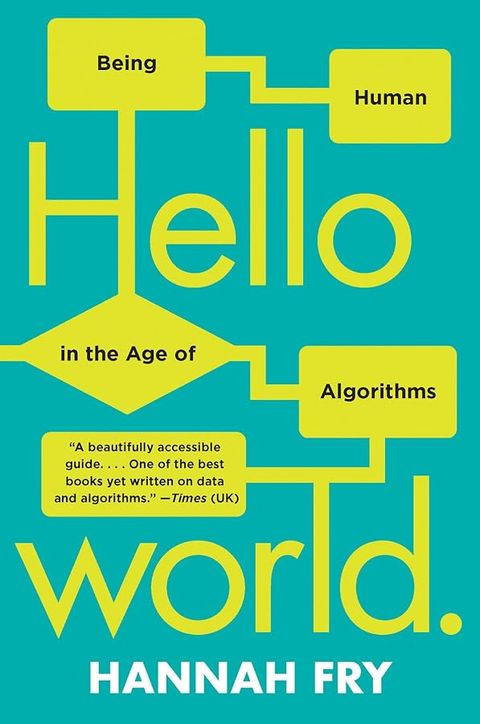
Hello World
A lucid, entertaining tour of how algorithms judge, diagnose, drive and police, ideal for readers without a technical background.
Editorial score: 72.3/100Amazon, Hello World (opens Amazon in a new tab) - Rank 17
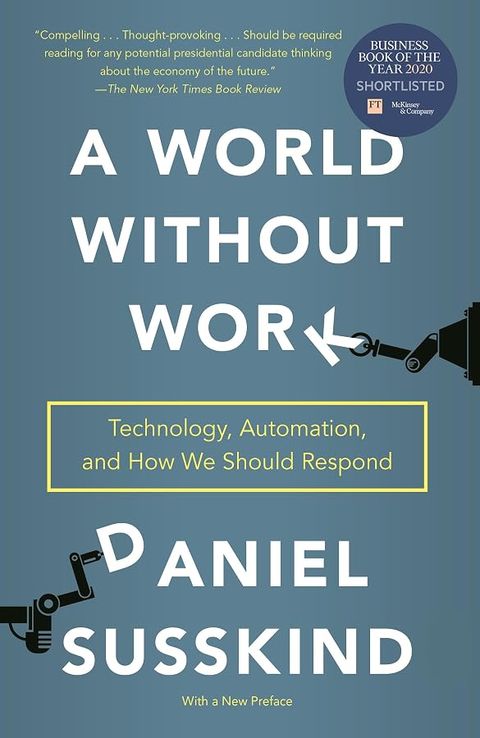
A World Without Work
A rigorous economist's case that AI could make paid work structurally scarce, paired with a debatable blueprint for sharing prosperity.
Editorial score: 73.3/100Amazon, A World Without Work (opens Amazon in a new tab) - Rank 18
Culpability
A tense, discussion-ready family novel that turns abstract questions of AI accountability into a story about guilt, secrecy and parenting.
Editorial score: 70.3/100Amazon, Culpability (opens Amazon in a new tab) - Rank 19
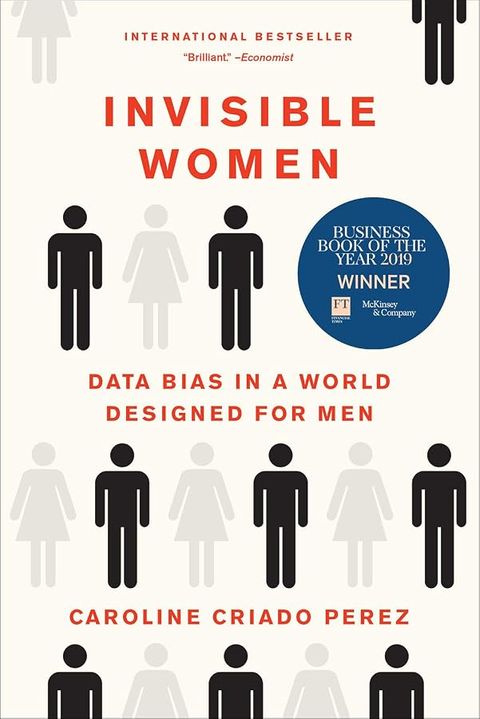
Invisible Women
An exhaustively sourced account of the gender data gap, showing how male-default data yields products and policies that fail women.
Editorial score: 75.0/100Amazon, Invisible Women (opens Amazon in a new tab) - Rank 20
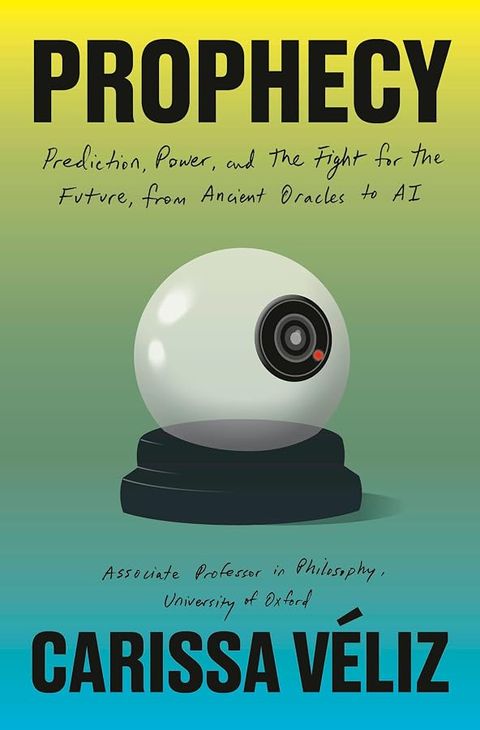
Prophecy
A lively philosophical history arguing that AI-era prediction is chiefly a tool of power, persuasive on diagnosis, lighter on remedies.
Editorial score: 72.0/100Amazon, Prophecy (opens Amazon in a new tab) - Rank 21
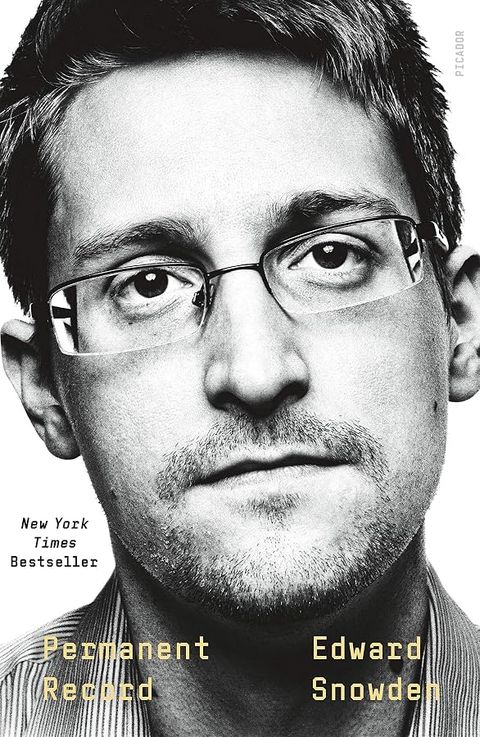
Permanent Record
A vivid insider memoir explaining how bulk surveillance systems work, best read alongside critics who dispute Snowden's choices.
Editorial score: 74.8/100Amazon, Permanent Record (opens Amazon in a new tab) - Rank 22
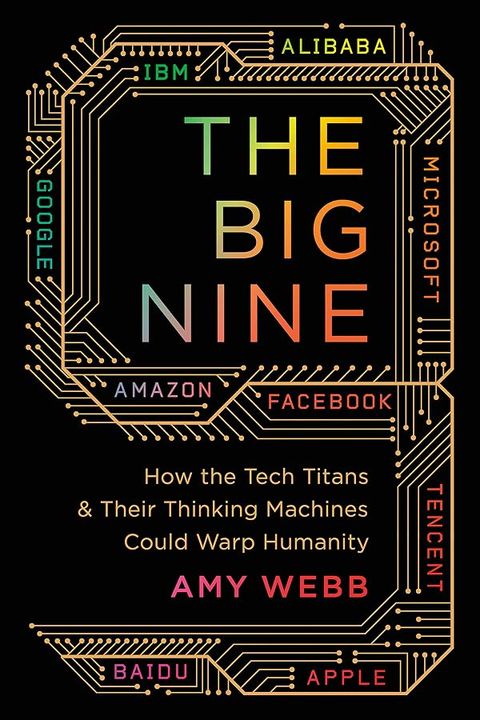
The Big Nine
A clear, scenario-driven warning about corporate and state concentration in AI, now best read as a 2019 baseline.
Editorial score: 61.8/100Amazon, The Big Nine (opens Amazon in a new tab) - Rank 23
Annie Bot
A tense, intimate novel that uses a robot companion to examine control, consent and what a created mind is owed.
Editorial score: 71.1/100Amazon, Annie Bot (opens Amazon in a new tab) - Rank 24
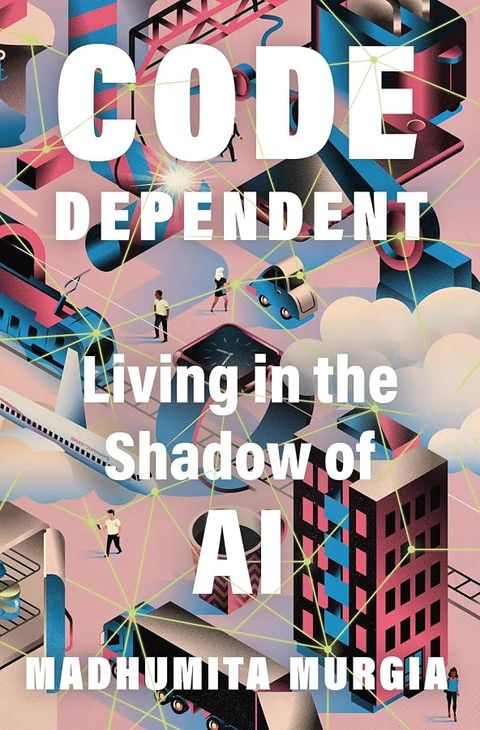
Code Dependent
Vivid reporting on how AI reshapes ordinary lives worldwide, strongest in its individual stories and lighter on technical depth.
Editorial score: 68.0/100Amazon, Code Dependent (opens Amazon in a new tab) - Rank 25
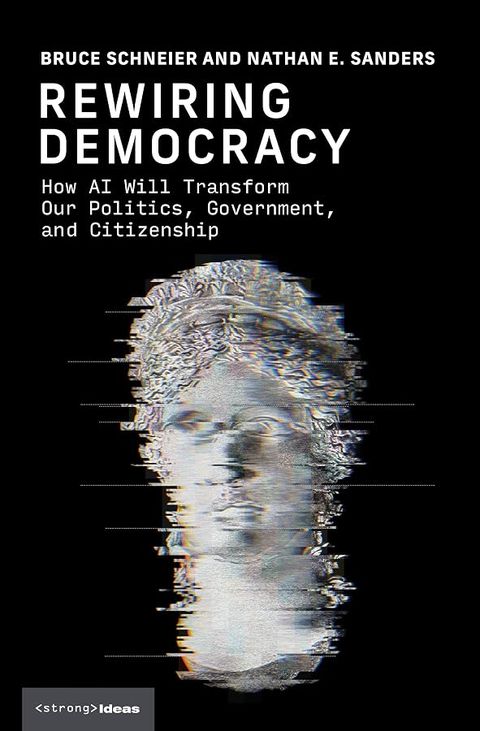
Rewiring Democracy
A wide-ranging, cautiously optimistic survey of how AI could reshape campaigns, legislatures, agencies and courts, and how democracies might respond.
Editorial score: 73.0/100Amazon, Rewiring Democracy (opens Amazon in a new tab)




Show all 115 AI Ethics & Society booksShow the first 25 only
- Rank 26
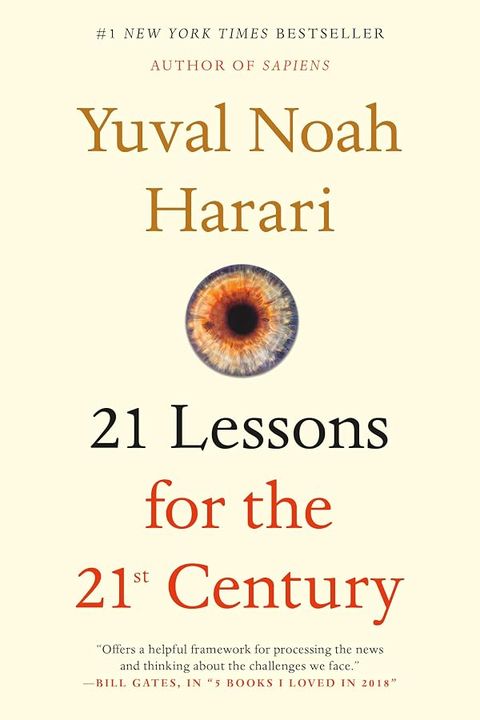
21 Lessons for the 21st Century
A provocative essay collection whose opening chapters on AI, jobs and data remain a useful framing, though its advice stays general.
Editorial score: 69.3/100Amazon, 21 Lessons for the 21st Century (opens Amazon in a new tab) - Rank 27
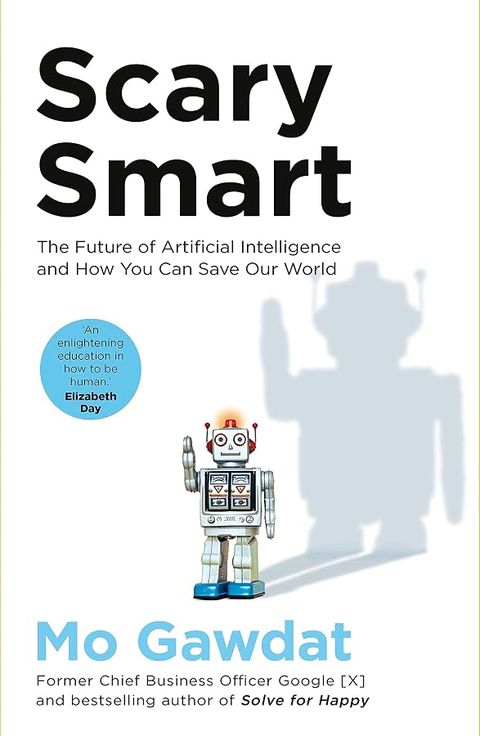
Scary Smart
An earnest, accessible appeal from a former Google X executive, stronger on moral urgency than on technical or policy detail.
Editorial score: 56.6/100Amazon, Scary Smart (opens Amazon in a new tab) - Rank 28
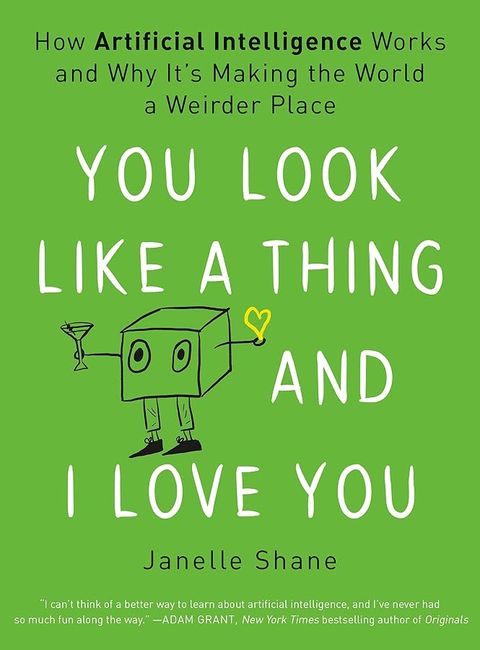
You Look Like a Thing and I Love You
A funny, concrete primer on how machine learning actually fails, still among the best first books for nontechnical readers.
Editorial score: 69.8/100Amazon, You Look Like a Thing and I Love You (opens Amazon in a new tab) - Rank 29
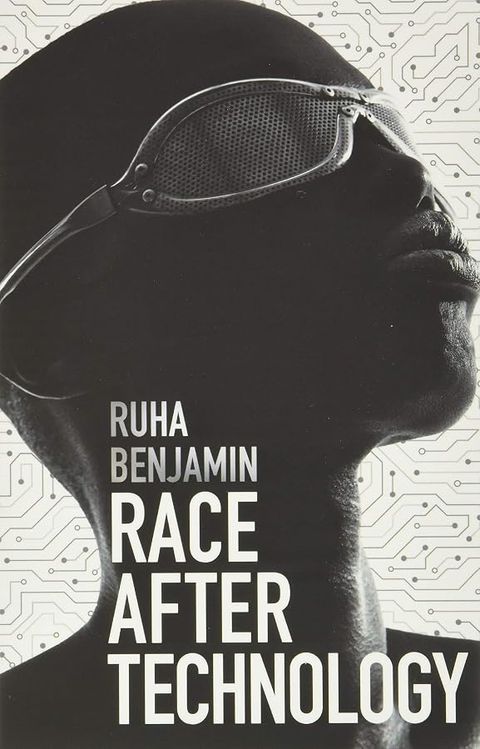
Race After Technology
An influential, concise sociological critique of how automated systems can reproduce racial inequality, more conceptual than technical.
Editorial score: 73.5/100Amazon, Race After Technology (opens Amazon in a new tab) - Rank 30
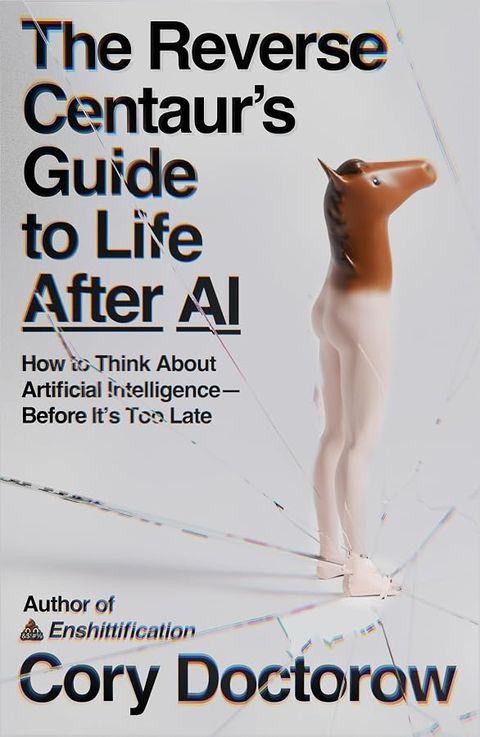
The Reverse Centaur's Guide to Life After AI
A sharp, accessible polemic on the economics behind the AI boom, more persuasive as diagnosis than as a plan.
Editorial score: 72.5/100Amazon, The Reverse Centaur's Guide to Life After AI (opens Amazon in a new tab) - Rank 31
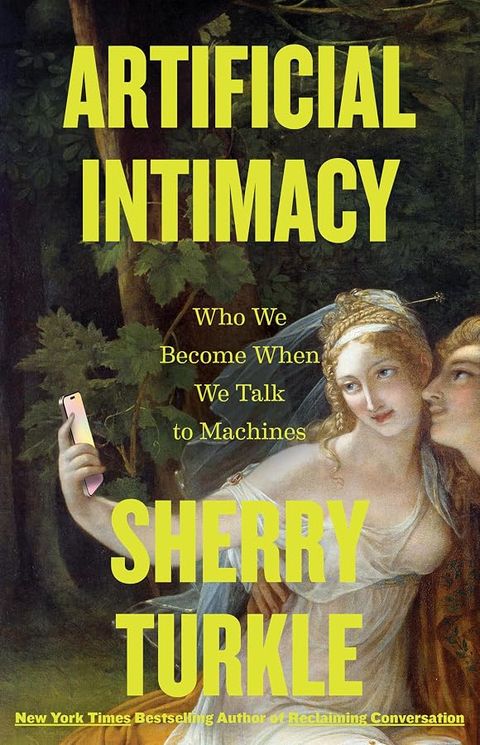
Artificial Intimacy
A humane, research-grounded warning about AI companionship from the MIT psychologist who has studied people's bonds with computers for four decades.
Editorial score: 78.8/100Amazon, Artificial Intimacy (opens Amazon in a new tab) - Rank 32
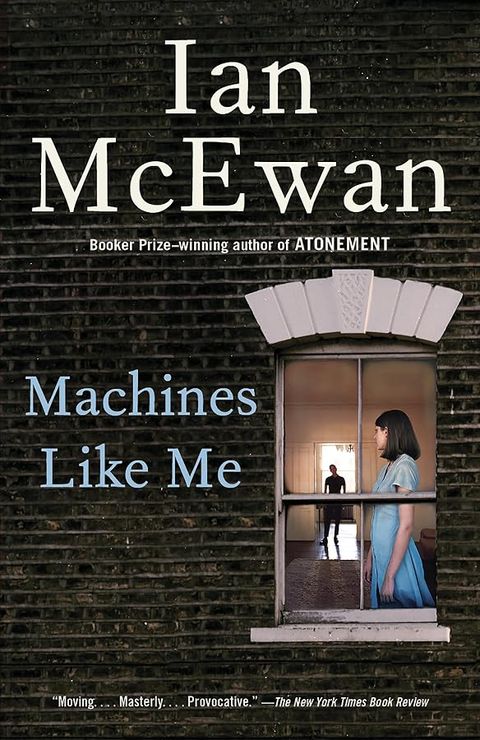
Machines Like Me
McEwan's alternate-history novel uses a synthetic man's rigid morality to test human self-deception, with more elegance than technical plausibility.
Editorial score: 67.8/100Amazon, Machines Like Me (opens Amazon in a new tab) - Rank 33
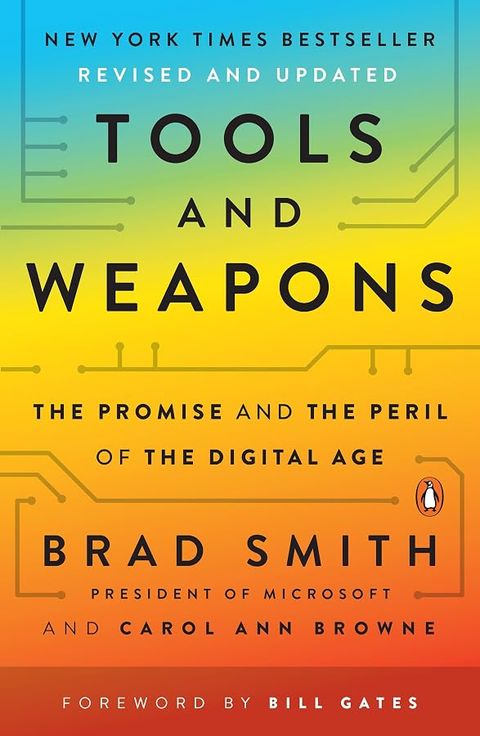
Tools and Weapons
An insider's account of Microsoft's policy battles that makes a measured case for corporate responsibility and smarter technology regulation.
Editorial score: 71.8/100Amazon, Tools and Weapons (opens Amazon in a new tab) - Rank 34
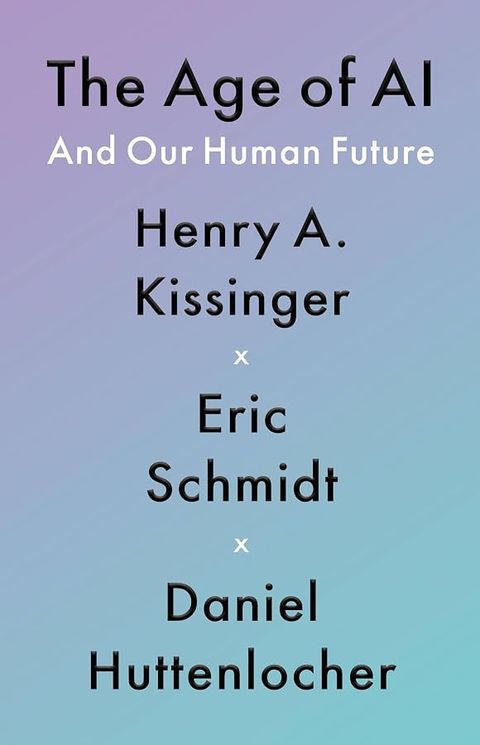
The Age of AI
Authors from diplomacy, business and computing frame AI as a challenge to human reason and world order, raising more questions than answers.
Editorial score: 64.8/100Amazon, The Age of AI (opens Amazon in a new tab) - Rank 35
Big Data
A clear, example-rich primer on datafication whose core warnings about prediction and privacy outlasted several of its showcase case studies.
Editorial score: 68.3/100Amazon, Big Data (opens Amazon in a new tab) - Rank 36
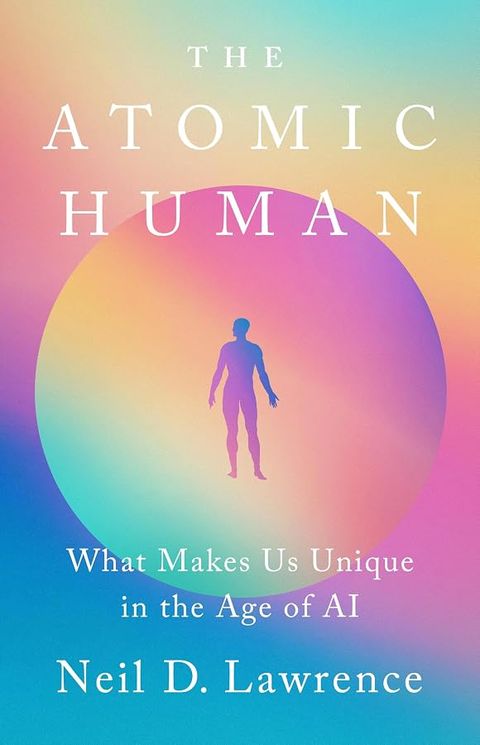
The Atomic Human
A wide-ranging, humane meditation on what machines cannot replace, rich in insight but loosely organized and prone to digression.
Editorial score: 71.0/100Amazon, The Atomic Human (opens Amazon in a new tab) - Rank 37
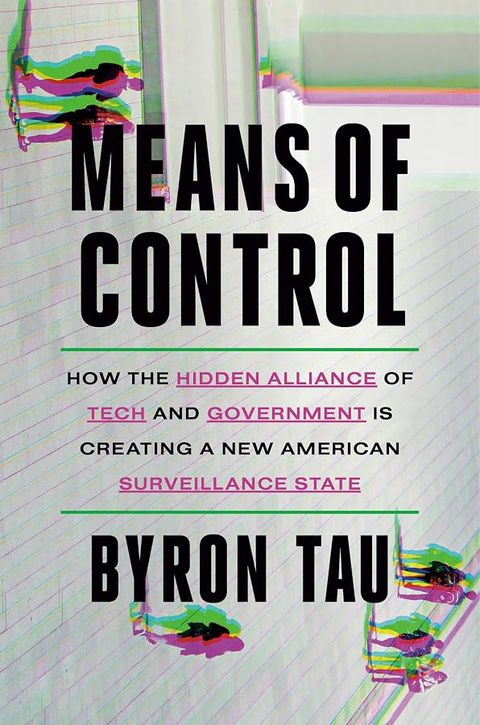
Means of Control
A deeply reported, unsettling account of how US agencies buy commercial data to track people, essential context for AI-era surveillance.
Editorial score: 71.5/100Amazon, Means of Control (opens Amazon in a new tab) - Rank 38
Design Justice
An influential, activist framework for community-led design that shaped debates over algorithmic bias, best read as advocacy rather than neutral analysis.
Editorial score: 72.3/100Amazon, Design Justice (opens Amazon in a new tab) - Rank 39
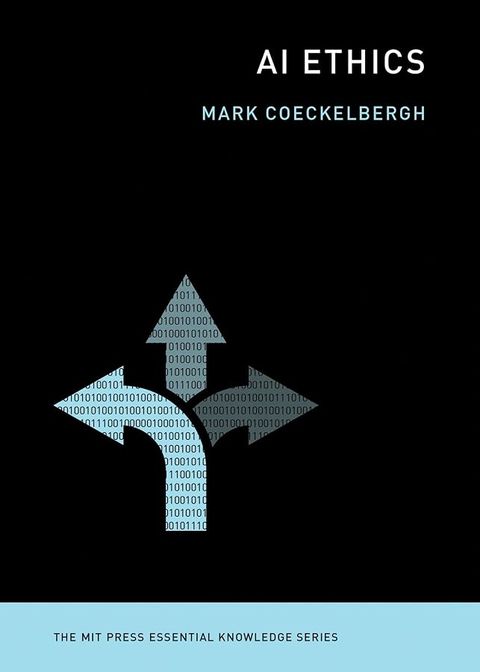
AI Ethics
A compact, balanced philosophical primer on AI ethics that maps the main debates clearly, though its examples predate generative AI.
Editorial score: 71.6/100Amazon, AI Ethics (opens Amazon in a new tab) - Rank 40
Mockingbird
A melancholy, humane dystopia in which an android who longs to die oversees a humanity that has forgotten how to read.
Editorial score: 65.1/100Amazon, Mockingbird (opens Amazon in a new tab) - Rank 41
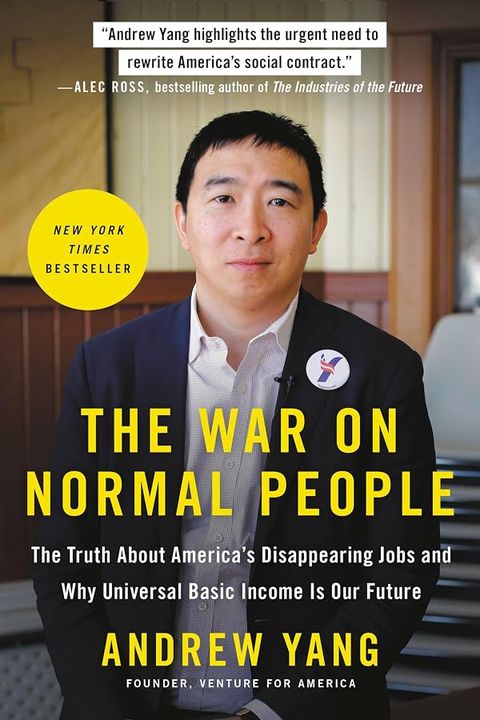
The War on Normal People
A forceful, data-driven case that automation threatens ordinary American workers, paired with a universal basic income proposal that remains widely contested.
Editorial score: 65.5/100Amazon, The War on Normal People (opens Amazon in a new tab) - Rank 42
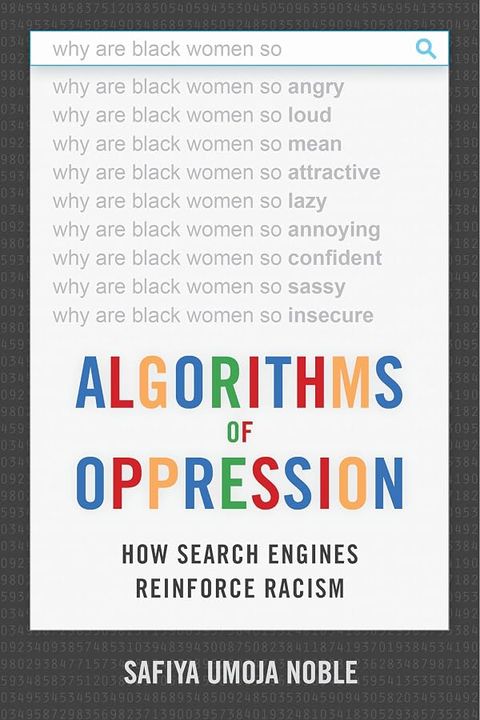
Algorithms of Oppression
A foundational, sometimes academic study showing that commercial search ranks people and ideas through business incentives that reproduce racial and gender stereotypes.
Editorial score: 72.8/100Amazon, Algorithms of Oppression (opens Amazon in a new tab) - Rank 43
He, She and It
A thoughtful feminist cyberpunk novel that pairs an artificial person with the golem legend to ask what makes a being human.
Editorial score: 67.0/100Amazon, He, She and It (opens Amazon in a new tab) - Rank 44
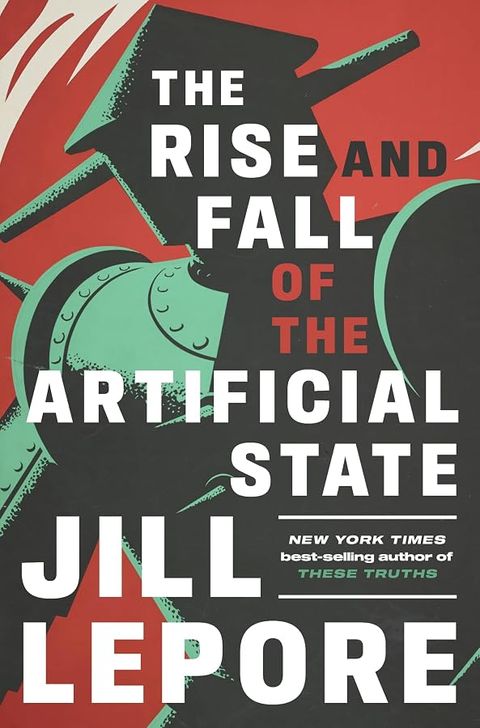
The Rise and Fall of the Artificial State
A Pulitzer-winning historian's learned, alarmed case that automated rule is eroding self-government, stronger as history than as policy guidance.
Editorial score: 76.8/100Amazon, The Rise and Fall of the Artificial State (opens Amazon in a new tab) - Rank 45
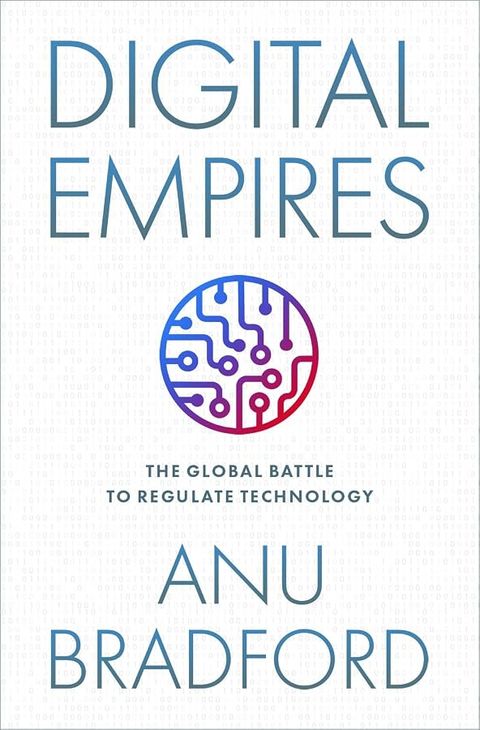
Digital Empires
An authoritative comparative map of how Washington, Beijing and Brussels regulate technology, and why their rivalry shapes global tech rules.
Editorial score: 77.5/100Amazon, Digital Empires (opens Amazon in a new tab) - Rank 46
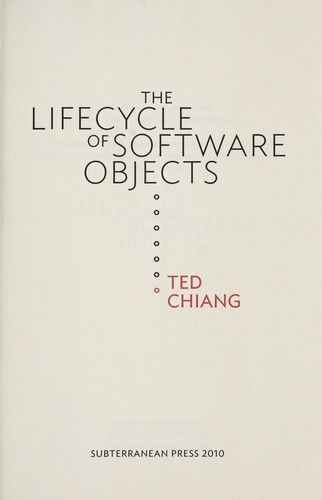
The Lifecycle of Software Objects
Chiang's quiet, rigorous novella treats AI as something raised rather than built, and it remains among the wisest fiction about machine minds.
Editorial score: 82.1/100Amazon, The Lifecycle of Software Objects (opens Amazon in a new tab) - Rank 47
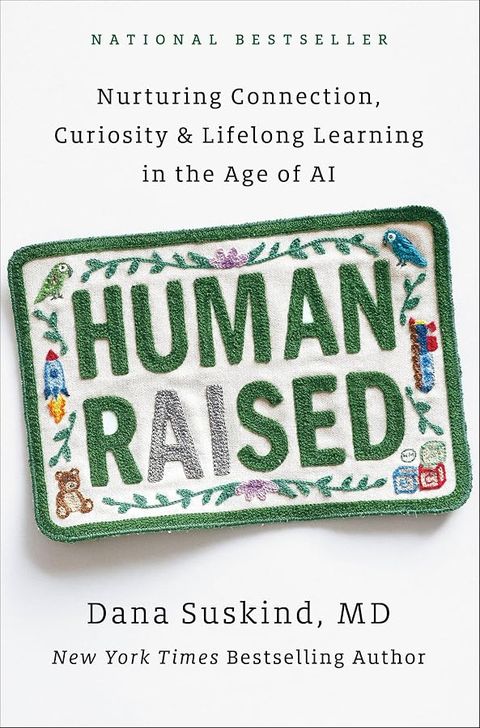
Human Raised
A grounded, research-informed guide that helps parents decide which AI tools belong in early childhood and which displace essential human interaction.
Editorial score: 73.1/100Amazon, Human Raised (opens Amazon in a new tab) - Rank 48
Autonomous
A sharp, inventive biotech thriller whose robot protagonist makes questions of AI consciousness, ownership and freedom feel urgent and personal.
Editorial score: 67.0/100Amazon, Autonomous (opens Amazon in a new tab) - Rank 49
Moral Machines
A foundational, clearly argued introduction to machine ethics whose framework still shapes debate, though its technical examples predate deep learning.
Editorial score: 68.8/100Amazon, Moral Machines (opens Amazon in a new tab) - Rank 50
Data and Goliath
A lucid, well-documented indictment of mass data collection whose analysis still frames the data economy that feeds modern AI.
Editorial score: 72.6/100Amazon, Data and Goliath (opens Amazon in a new tab) - Rank 51
The Rise of Big Data Policing
A balanced, accessible legal analysis of predictive policing that remains the clearest primer on how data reshapes suspicion and surveillance.
Editorial score: 70.5/100Amazon, The Rise of Big Data Policing (opens Amazon in a new tab) - Rank 52
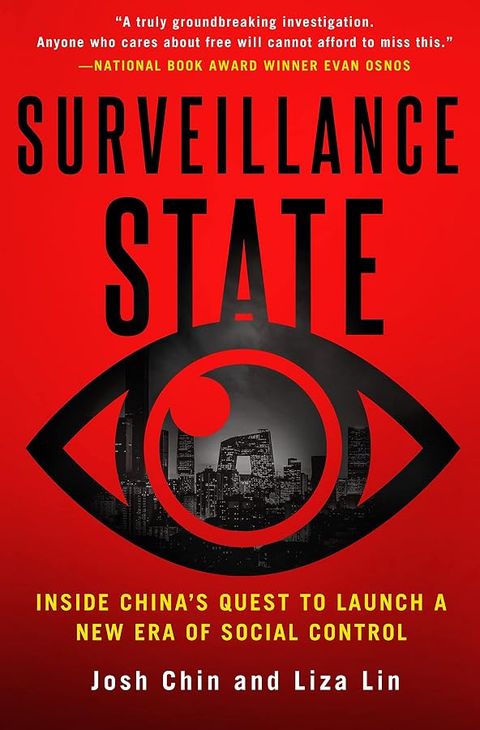
Surveillance State
A rigorous, deeply reported account of how China fused AI, data and policing into a new model of social control.
Editorial score: 73.8/100Amazon, Surveillance State (opens Amazon in a new tab) - Rank 53
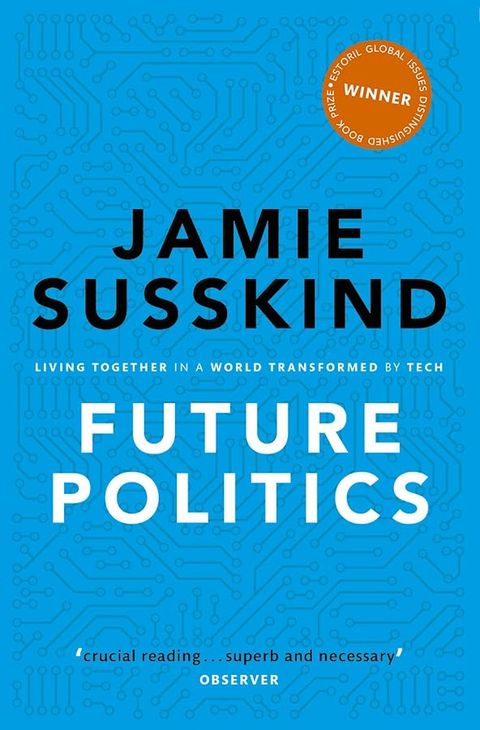
Future Politics
An ambitious, prizewinning work of political theory on how code concentrates power, and still a sharp lens for debates on governing AI.
Editorial score: 66.5/100Amazon, Future Politics (opens Amazon in a new tab) - Rank 54
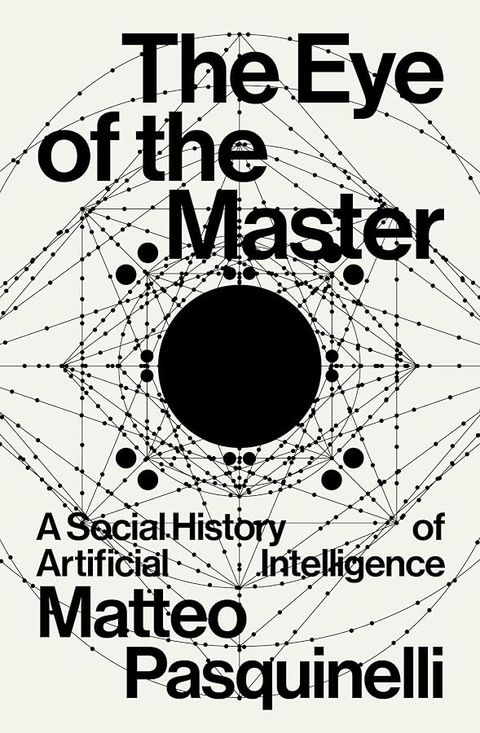
The Eye of the Master
A demanding Marxist history that recasts machine learning as the automation of collective labor, not an imitation of the brain.
Editorial score: 66.3/100Amazon, The Eye of the Master (opens Amazon in a new tab) - Rank 55
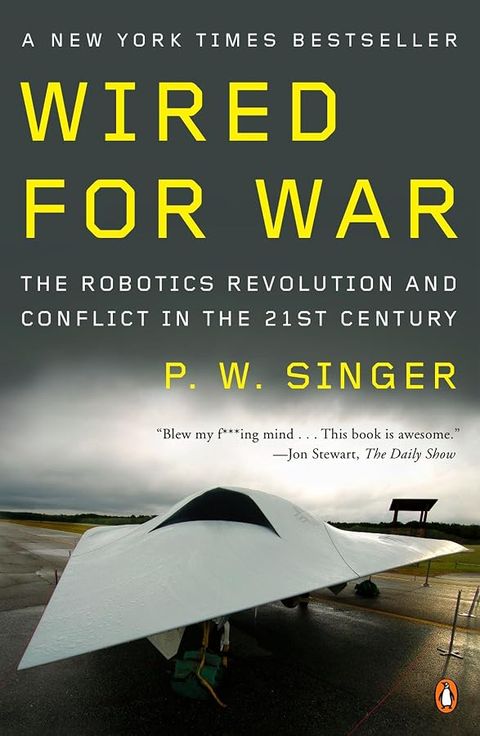
Wired for War
A vivid, deeply reported early account of military robotics whose questions about autonomy and accountability matter more now than in 2009.
Editorial score: 69.3/100Amazon, Wired for War (opens Amazon in a new tab) - Rank 56
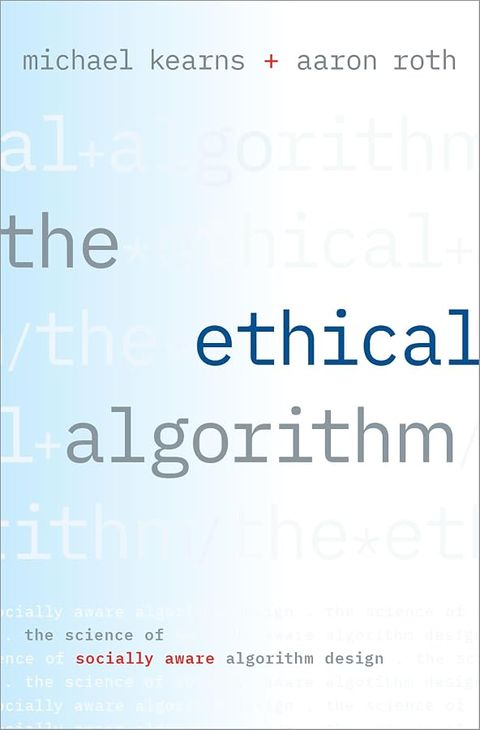
The Ethical Algorithm
Two leading computer scientists show how fairness and privacy can be engineered into algorithms, with candid accounting of the trade-offs.
Editorial score: 74.8/100Amazon, The Ethical Algorithm (opens Amazon in a new tab) - Rank 57
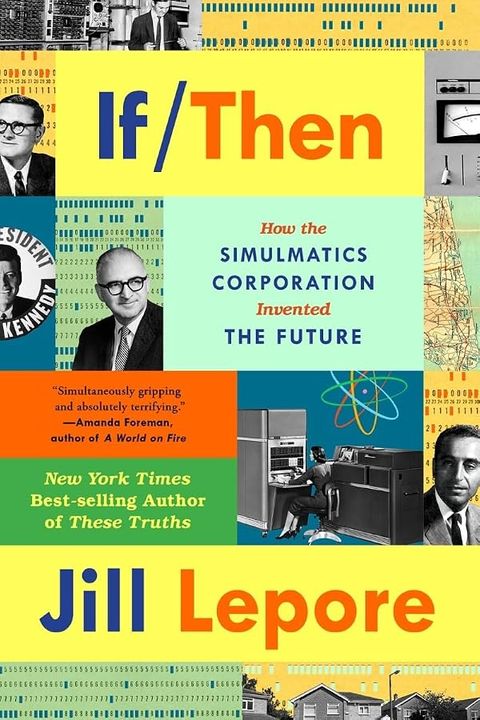
If Then
An elegant, skeptical history of a forgotten Cold War firm that pioneered computer-driven behavioral prediction, offering essential context for today's data economy.
Editorial score: 70.0/100Amazon, If Then (opens Amazon in a new tab) - Rank 58
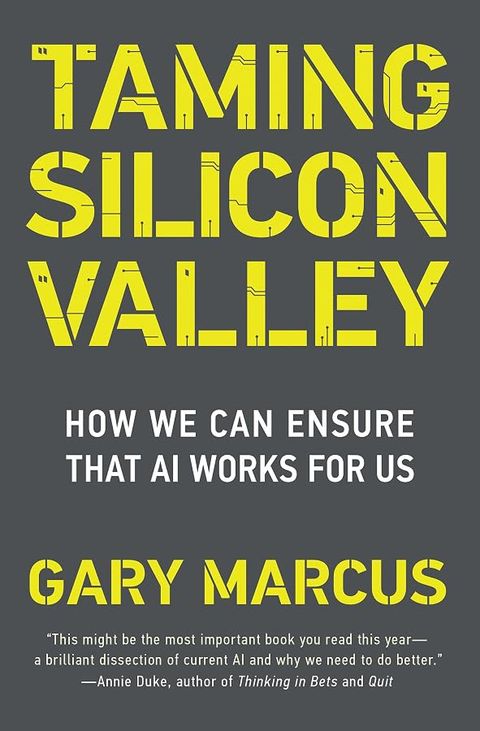
Taming Silicon Valley
A brisk, pointed policy polemic from a leading AI critic, strongest on generative AI's documented harms and the case for regulation.
Editorial score: 70.3/100Amazon, Taming Silicon Valley (opens Amazon in a new tab) - Rank 59
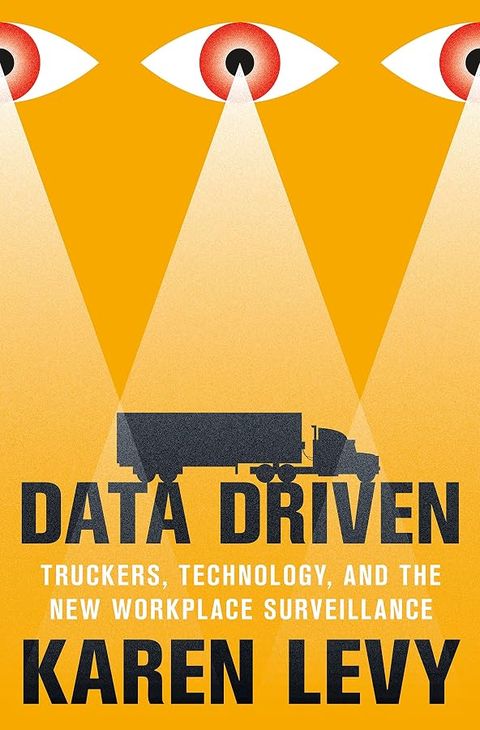
Data Driven
An award-winning field study of how mandated monitoring reshaped trucking, and how AI in the cab watches drivers rather than replacing them.
Editorial score: 73.3/100Amazon, Data Driven (opens Amazon in a new tab) - Rank 60
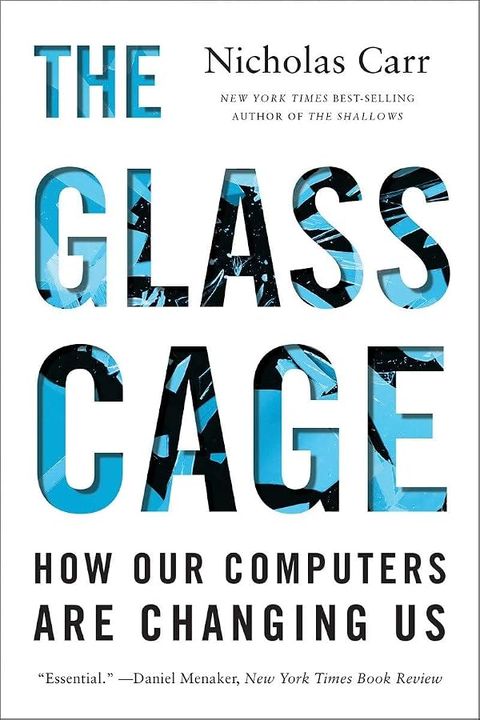
The Glass Cage
A thoughtful, well-researched warning that automation erodes human skill and attention, and a timely one in the generative AI era.
Editorial score: 73.3/100Amazon, The Glass Cage (opens Amazon in a new tab) - Rank 61
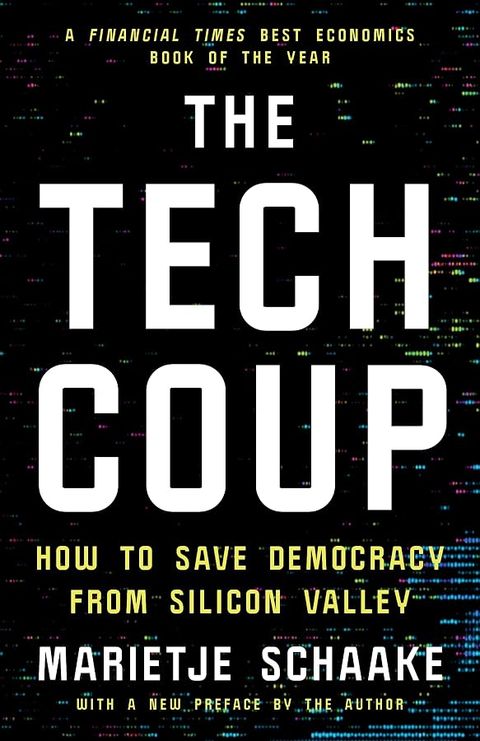
The Tech Coup
A former lawmaker's well-documented case that tech firms have assumed state powers, persuasive on diagnosis and debatable in its regulatory prescriptions.
Editorial score: 73.5/100Amazon, The Tech Coup (opens Amazon in a new tab) - Rank 62
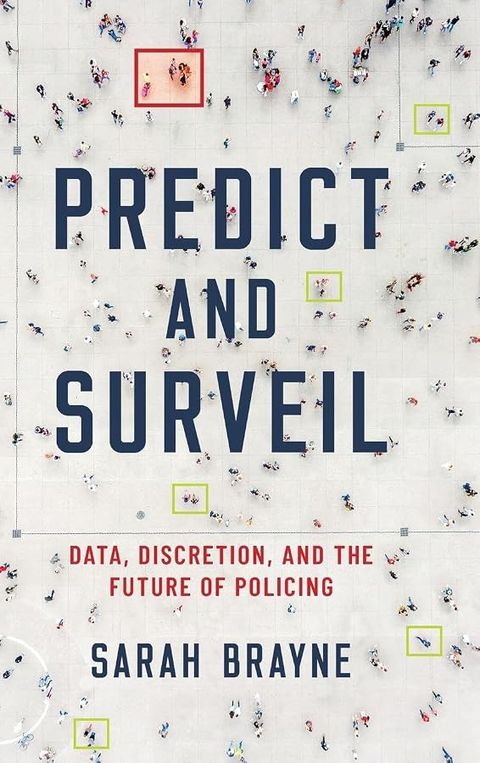
Predict and Surveil
The most detailed on-the-ground account of how predictive analytics and data platforms reshape police discretion, surveillance and accountability.
Editorial score: 67.5/100Amazon, Predict and Surveil (opens Amazon in a new tab) - Rank 63
The Human Use of Human Beings
Wiener's 1950 warning about automation and machine judgment remains a founding text for anyone weighing AI's social consequences.
Editorial score: 73.8/100Amazon, The Human Use of Human Beings (opens Amazon in a new tab) - Rank 64
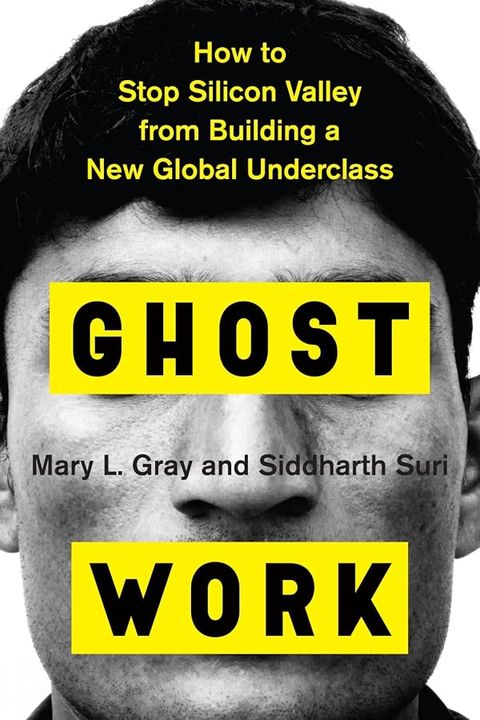
Ghost Work
A rigorous ethnography of the hidden human labor behind automated services, and a foundational text in debates over AI's workforce.
Editorial score: 74.0/100Amazon, Ghost Work (opens Amazon in a new tab) - Rank 65
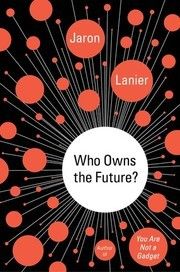
Who Owns the Future?
A provocative, uneven case that free online services drain value from ordinary people; its data-payment idea resonates in the generative-AI era.
Editorial score: 67.3/100Amazon, Who Owns the Future? (opens Amazon in a new tab) - Rank 66
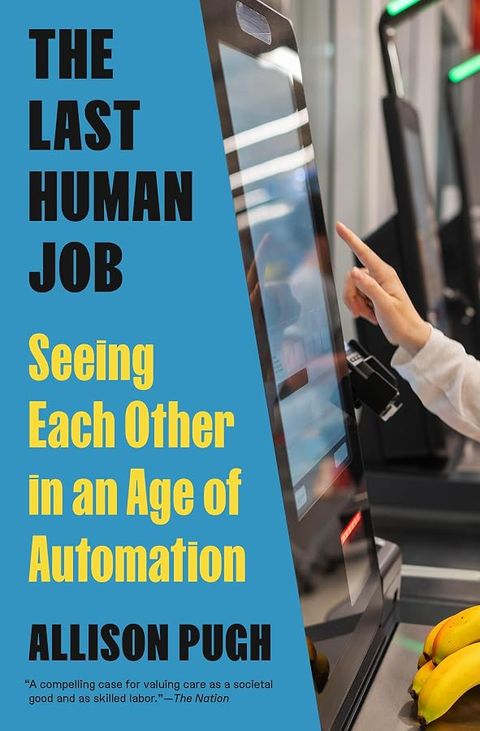
The Last Human Job
A rigorous sociology of the relational work automation struggles to absorb, and essential context for leaders deploying AI in care professions.
Editorial score: 70.0/100Amazon, The Last Human Job (opens Amazon in a new tab) - Rank 67
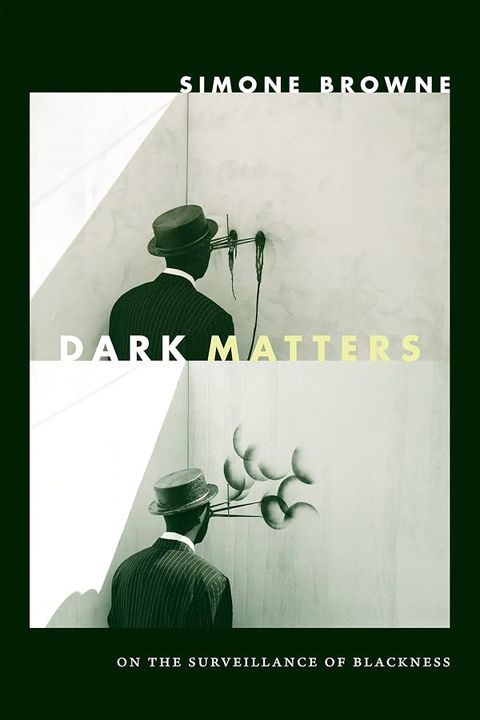
Dark Matters
A demanding, award-winning study that reframes surveillance, including facial recognition and biometrics, through the history of policing Black life.
Editorial score: 68.0/100Amazon, Dark Matters (opens Amazon in a new tab) - Rank 68
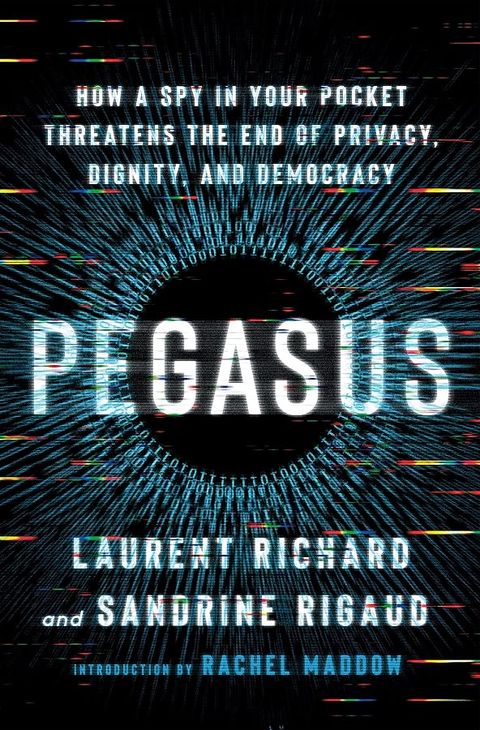
Pegasus
A tense, well-documented account of the investigation that exposed how governments used NSO Group's spyware against journalists and activists.
Editorial score: 71.0/100Amazon, Pegasus (opens Amazon in a new tab) - Rank 69
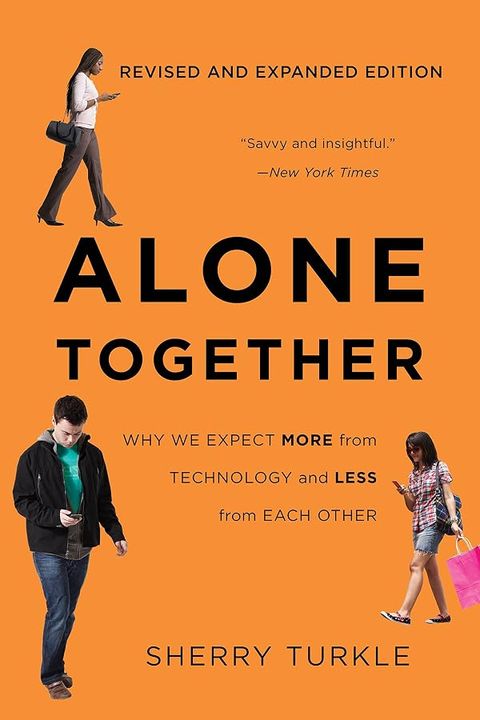
Alone Together
A searching, influential critique of sociable robots and constant connection that anticipated today's debates over AI companions.
Editorial score: 73.6/100Amazon, Alone Together (opens Amazon in a new tab) - Rank 70
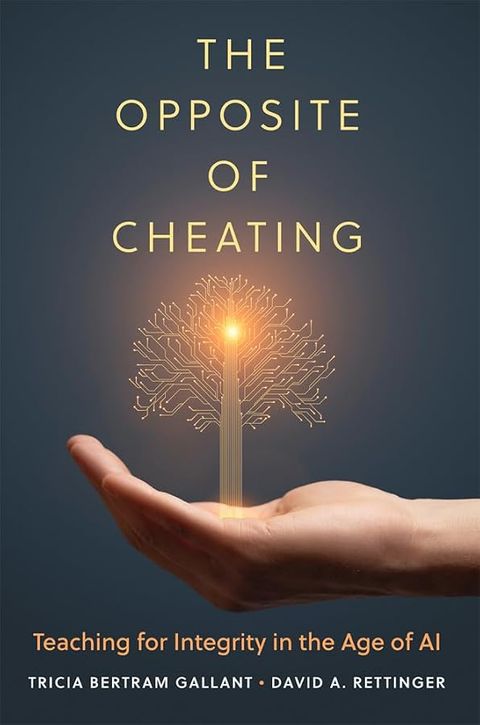
The Opposite of Cheating
A research-grounded, practical playbook for preserving academic integrity in the generative-AI era by redesigning teaching rather than policing students.
Editorial score: 74.3/100Amazon, The Opposite of Cheating (opens Amazon in a new tab) - Rank 71
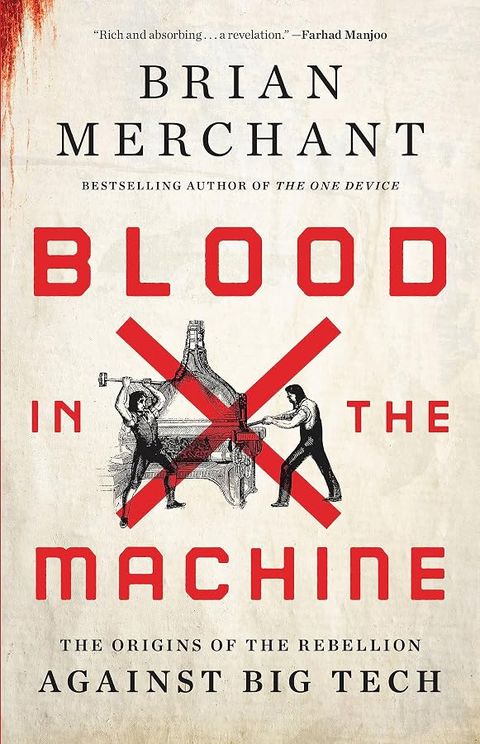
Blood in the Machine
A vivid, deeply researched history of the Luddites that reframes today's AI labor debates, argued from an openly pro-worker stance.
Editorial score: 71.5/100Amazon, Blood in the Machine (opens Amazon in a new tab) - Rank 72
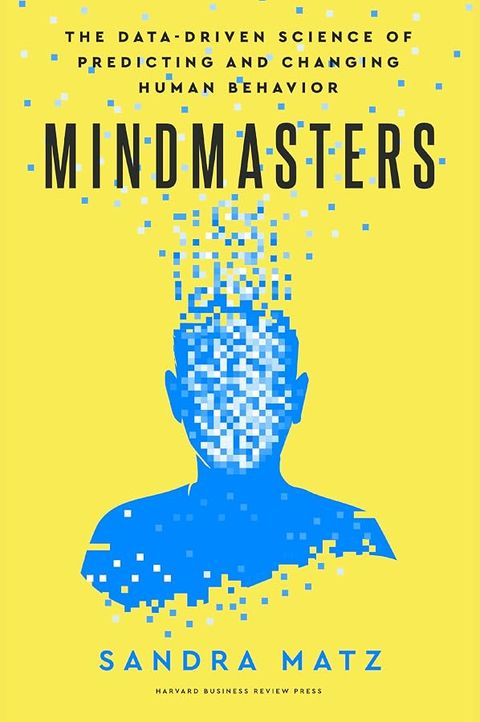
Mindmasters
A balanced, research-backed account of how algorithms read personality from digital traces, with workable proposals for keeping that power in check.
Editorial score: 71.8/100Amazon, Mindmasters (opens Amazon in a new tab) - Rank 73
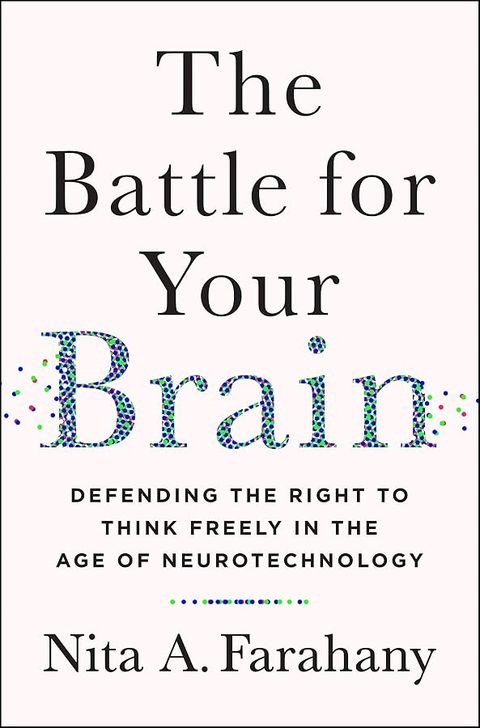
The Battle for Your Brain
A clear, evenhanded case for a legal right to cognitive liberty as AI-powered neurotechnology moves into workplaces and consumer devices.
Editorial score: 73.1/100Amazon, The Battle for Your Brain (opens Amazon in a new tab) - Rank 74
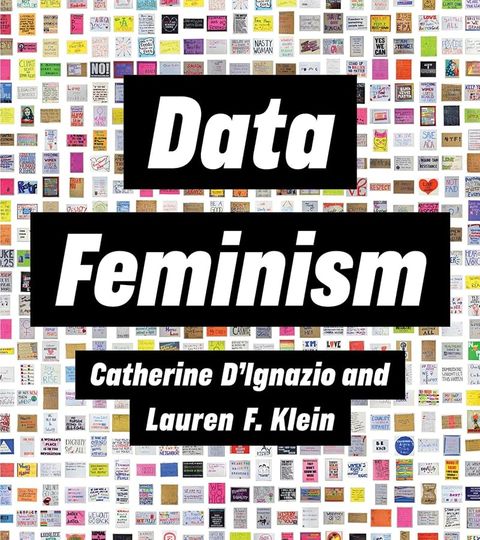
Data Feminism
A clear, principle-driven argument that data science encodes power, offering practitioners an intersectional feminist framework for doing it differently.
Editorial score: 70.3/100Amazon, Data Feminism (opens Amazon in a new tab) - Rank 75
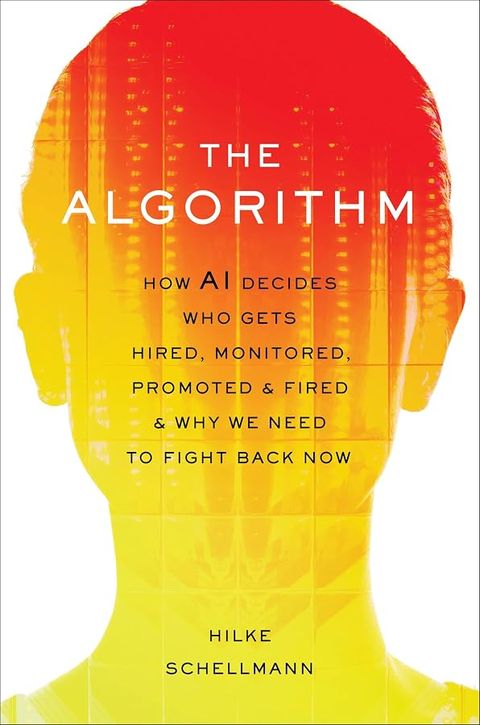
The Algorithm
A carefully reported investigation showing that many AI hiring and workplace-monitoring tools rest on weak science and can discriminate.
Editorial score: 73.1/100Amazon, The Algorithm (opens Amazon in a new tab) - Rank 76
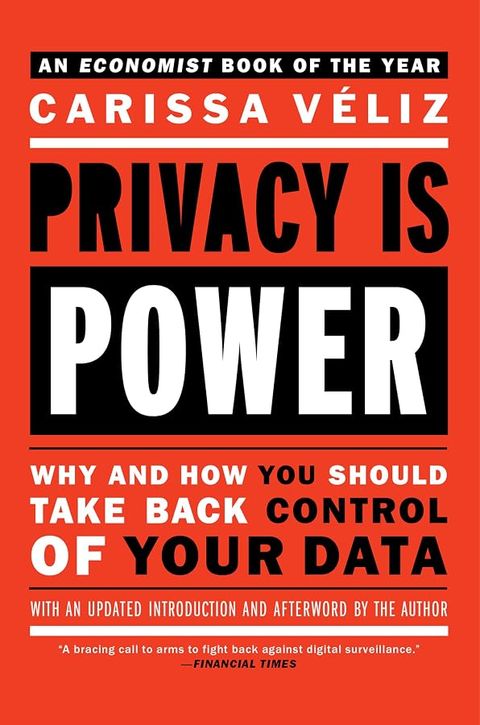
Privacy Is Power
A forceful philosophical argument that personal data is a source of power, paired with concrete proposals to end its trade.
Editorial score: 74.3/100Amazon, Privacy Is Power (opens Amazon in a new tab) - Rank 77
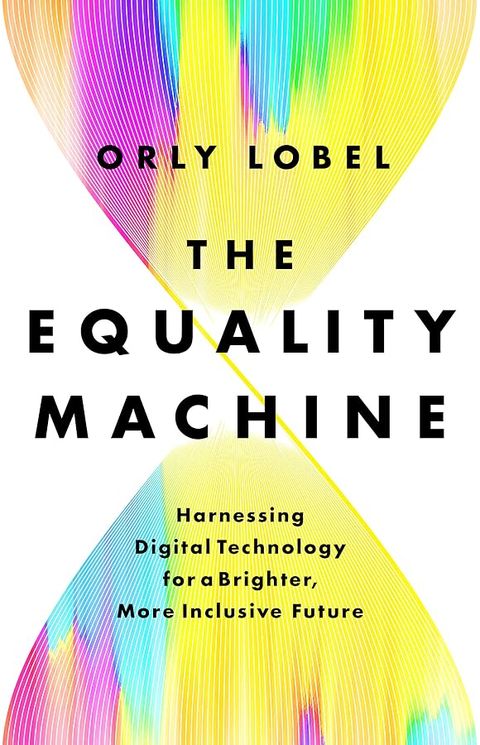
The Equality Machine
A law scholar's well-argued case that AI can detect and reduce discrimination, a useful counterweight to purely critical books on algorithmic bias.
Editorial score: 66.1/100Amazon, The Equality Machine (opens Amazon in a new tab) - Rank 78
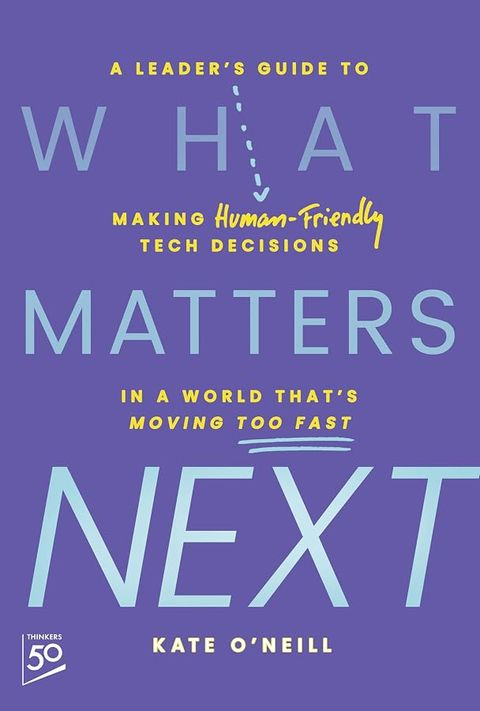
What Matters Next
A thoughtful decision framework for leaders adopting AI and emerging tech, stronger on mindset and values than on implementation detail.
Editorial score: 68.8/100Amazon, What Matters Next (opens Amazon in a new tab) - Rank 79
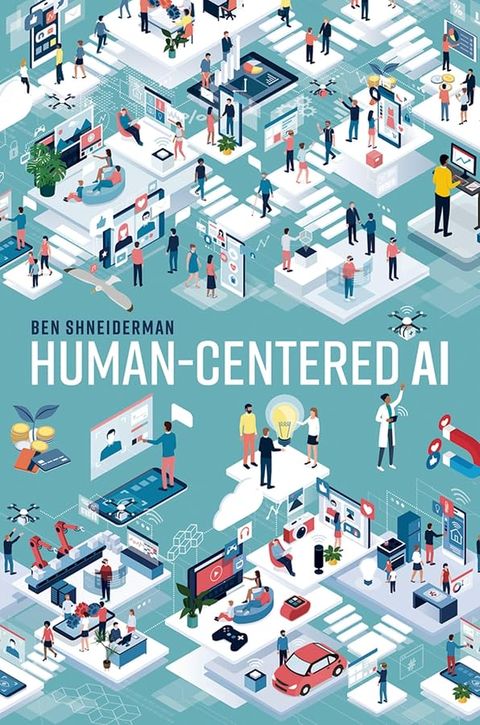
Human-Centered AI
An influential HCI pioneer's case that AI should amplify people rather than replace them, rich in frameworks but light on implementation detail.
Editorial score: 74.8/100Amazon, Human-Centered AI (opens Amazon in a new tab) - Rank 80
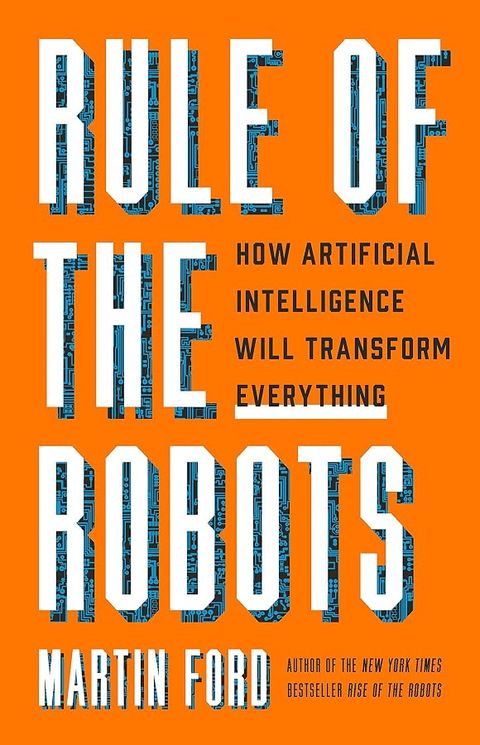
Rule of the Robots
A balanced, readable survey of AI's economic and social stakes, strongest on China and self-driving cars, though written before ChatGPT.
Editorial score: 64.5/100Amazon, Rule of the Robots (opens Amazon in a new tab) - Rank 81
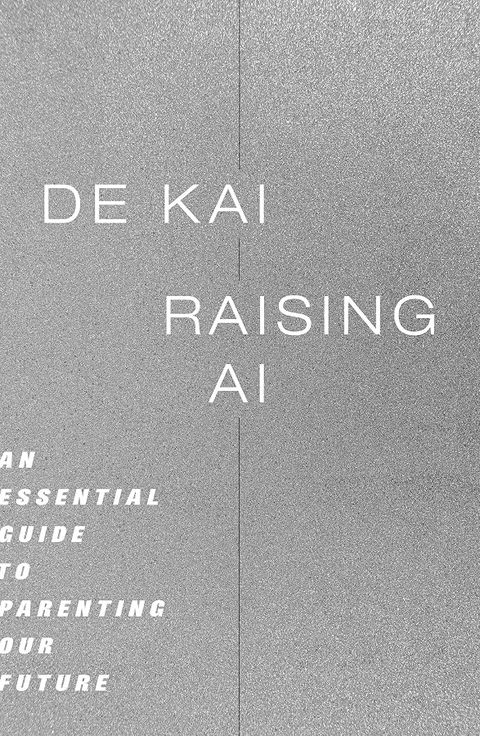
Raising AI
A warm, accessible reframing of AI as society's offspring, stronger at diagnosing algorithmic influence than at prescribing enforceable remedies.
Editorial score: 67.1/100Amazon, Raising AI (opens Amazon in a new tab) - Rank 82
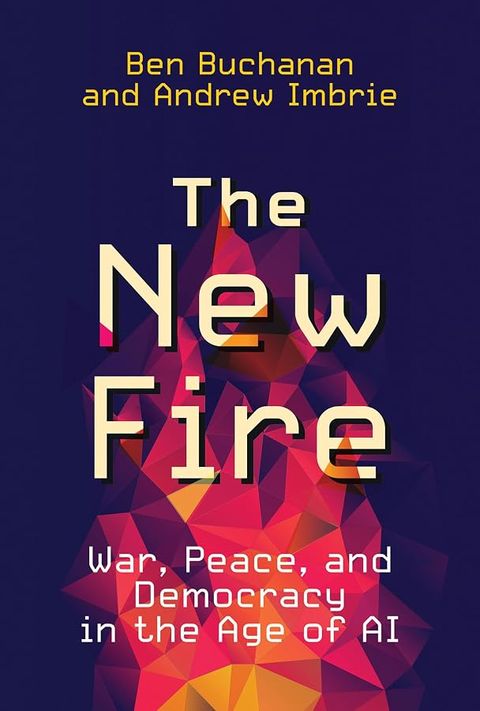
The New Fire
A balanced, well-informed account of how AI reshapes military power, cyber conflict and disinformation, written before its authors entered government.
Editorial score: 71.8/100Amazon, The New Fire (opens Amazon in a new tab) - Rank 83
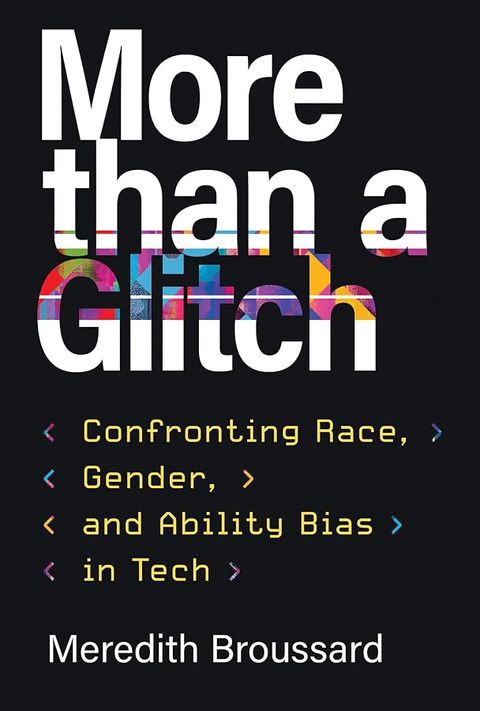
More than a Glitch
An accessible, well-argued case that algorithmic bias is structural, not accidental, and that automated systems need ongoing audits.
Editorial score: 69.5/100Amazon, More than a Glitch (opens Amazon in a new tab) - Rank 84
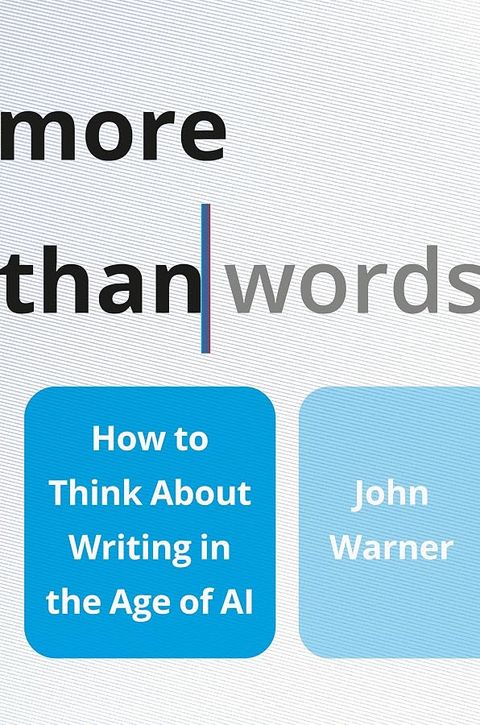
More Than Words
A persuasive teacher's case that writing is thinking, valuable for educators weighing AI, though lighter on concrete classroom alternatives.
Editorial score: 69.3/100Amazon, More Than Words (opens Amazon in a new tab) - Rank 85
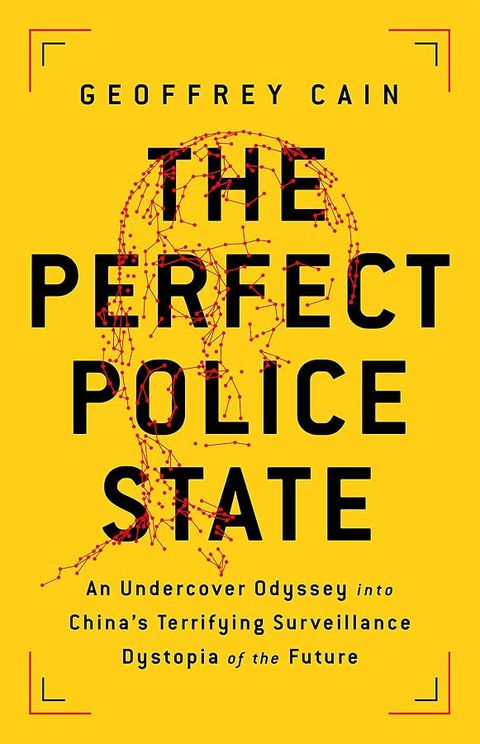
The Perfect Police State
A gripping, deeply reported account of AI-enabled surveillance in Xinjiang, strongest on human testimony and the companies behind the system.
Editorial score: 68.0/100Amazon, The Perfect Police State (opens Amazon in a new tab) - Rank 86
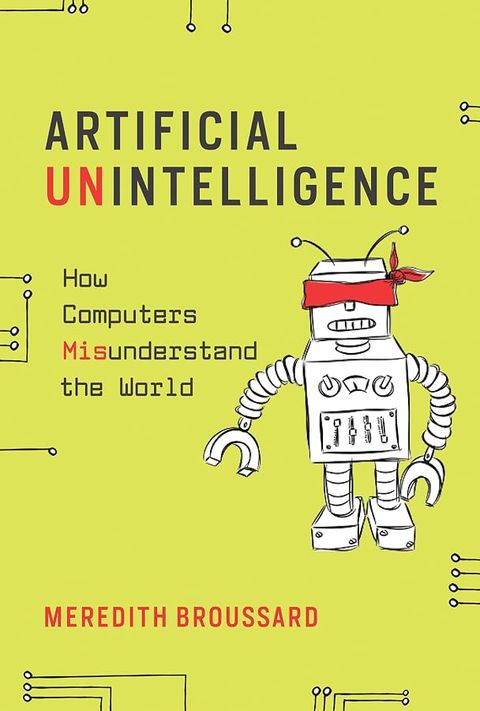
Artificial Unintelligence
A sharp, readable corrective to tech optimism that popularized the term technochauvinism, though its examples predate generative AI.
Editorial score: 69.6/100Amazon, Artificial Unintelligence (opens Amazon in a new tab) - Rank 87
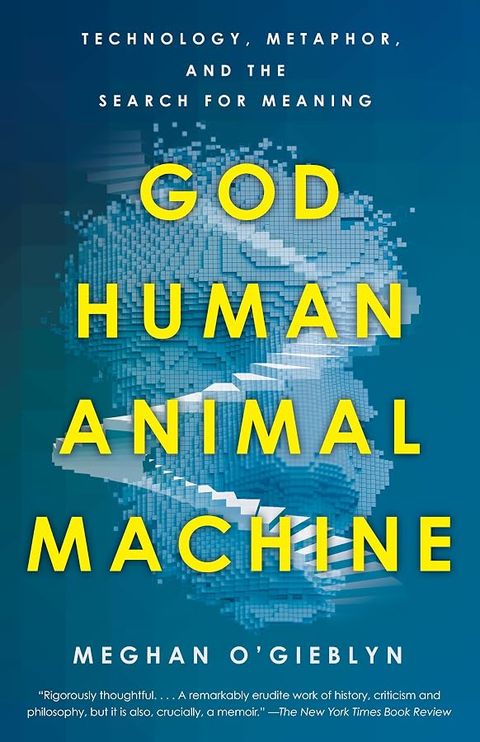
God, Human, Animal, Machine
A searching, finely written book-length essay that reads AI through theology and philosophy, rewarding reflection rather than practical planning.
Editorial score: 66.3/100Amazon, God, Human, Animal, Machine (opens Amazon in a new tab) - Rank 88
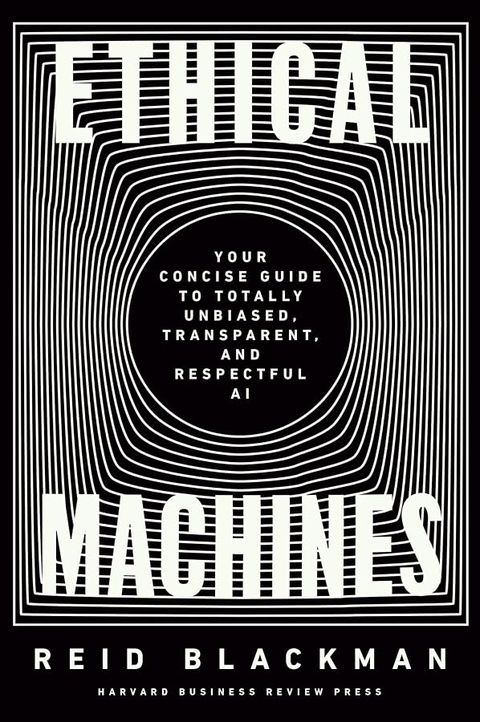
Ethical Machines
A crisp, business-first playbook for building an AI ethical risk program, strongest on bias, explainability and privacy governance.
Editorial score: 70.3/100Amazon, Ethical Machines (opens Amazon in a new tab) - Rank 89
Mindf*ck
A vivid insider memoir of Cambridge Analytica's data operations, valuable as testimony but best read alongside later official findings.
Editorial score: 64.3/100Amazon, Mindf*ck (opens Amazon in a new tab) - Rank 90
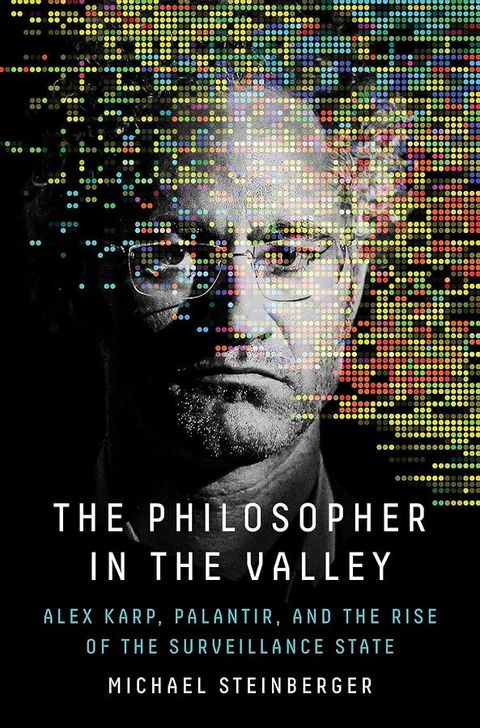
The Philosopher in the Valley
A closely reported portrait of Alex Karp and Palantir, sharp on character and politics but thinner on the technology.
Editorial score: 66.0/100Amazon, The Philosopher in the Valley (opens Amazon in a new tab) - Rank 91
God & Golem, Inc.
Norbert Wiener's brief, prescient essay on learning machines and human responsibility, which anticipated today's alignment debates by six decades.
Editorial score: 69.3/100Amazon, God & Golem, Inc. (opens Amazon in a new tab) - Rank 92
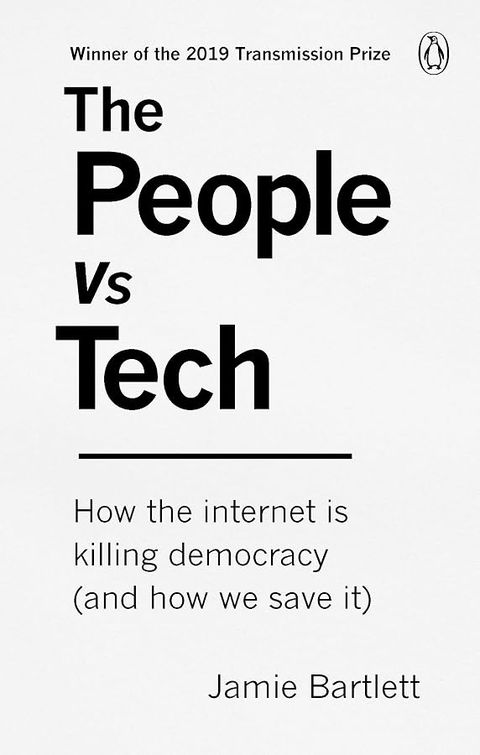
The People Vs Tech
A brisk, readable warning about how digital platforms strain democratic institutions, now dated in its examples but sharp on principles.
Editorial score: 60.8/100Amazon, The People Vs Tech (opens Amazon in a new tab) - Rank 93
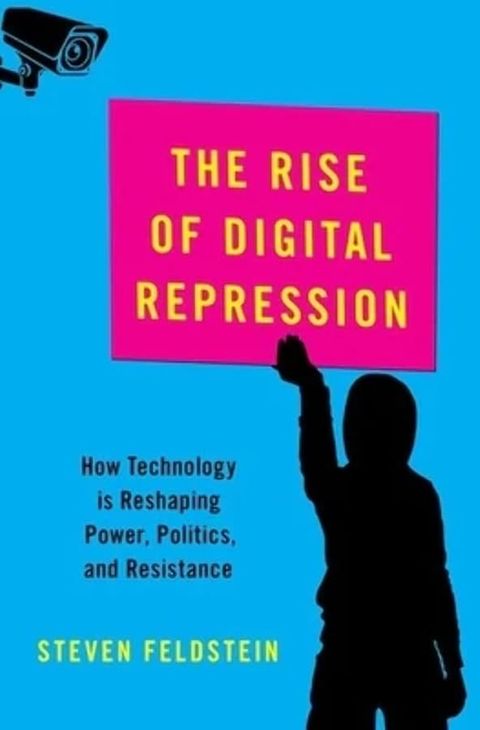
The Rise of Digital Repression
A rigorous, field-based account of how governments turn AI, surveillance and disinformation against citizens, best suited to policy readers.
Editorial score: 70.3/100Amazon, The Rise of Digital Repression (opens Amazon in a new tab) - Rank 94
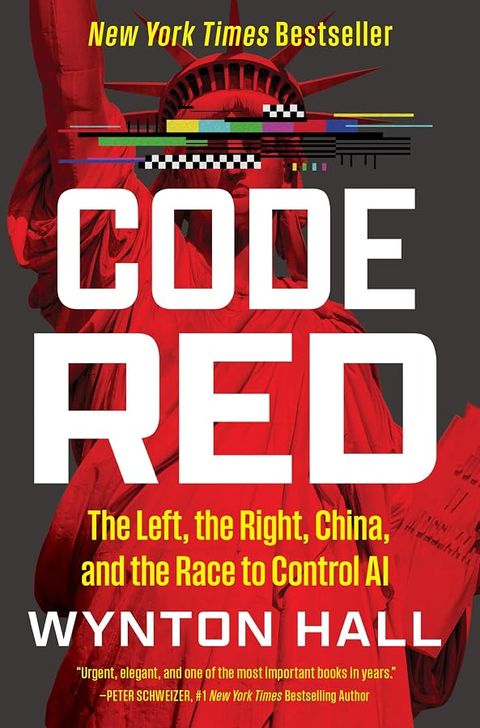
Code Red
A conservative communicator's accessible case for engaging with AI on the right's terms, more political argument than technical or policy analysis.
Editorial score: 62.5/100Amazon, Code Red (opens Amazon in a new tab) - Rank 95
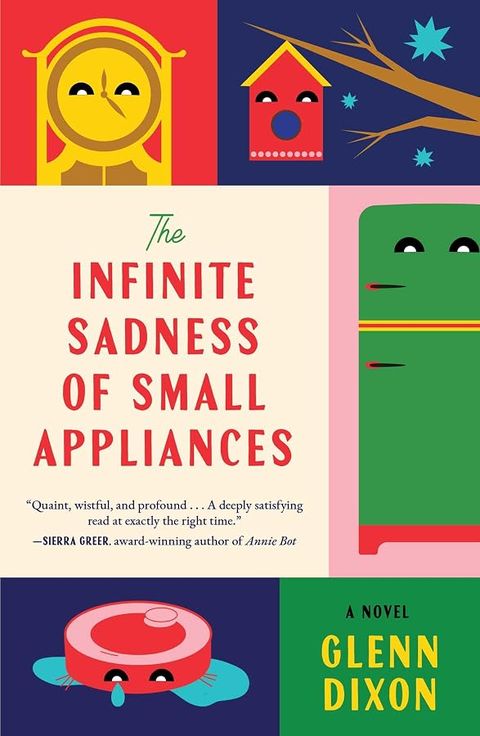
The Infinite Sadness of Small Appliances
A gentle, often moving fable about grief and automated control that favors warmth over rigorous speculation about AI.
Editorial score: 57.8/100Amazon, The Infinite Sadness of Small Appliances (opens Amazon in a new tab) - Rank 96
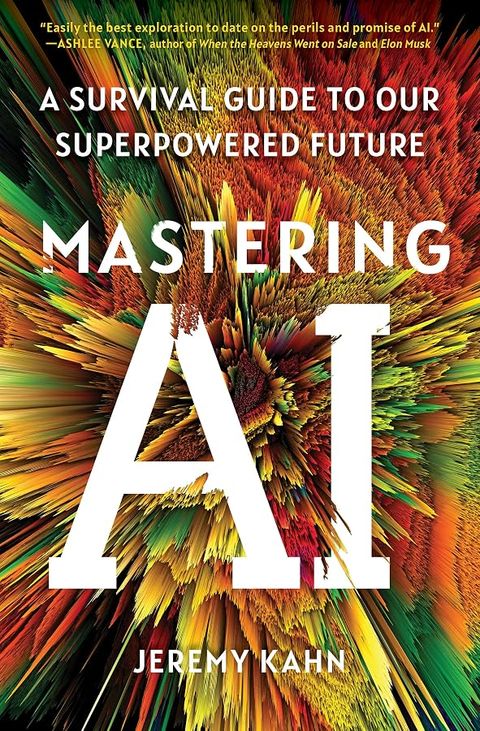
Mastering AI
A balanced, well-reported survey of how AI could reshape work, schooling, medicine and democracy, stronger on diagnosis than remedies.
Editorial score: 65.0/100Amazon, Mastering AI (opens Amazon in a new tab) - Rank 97
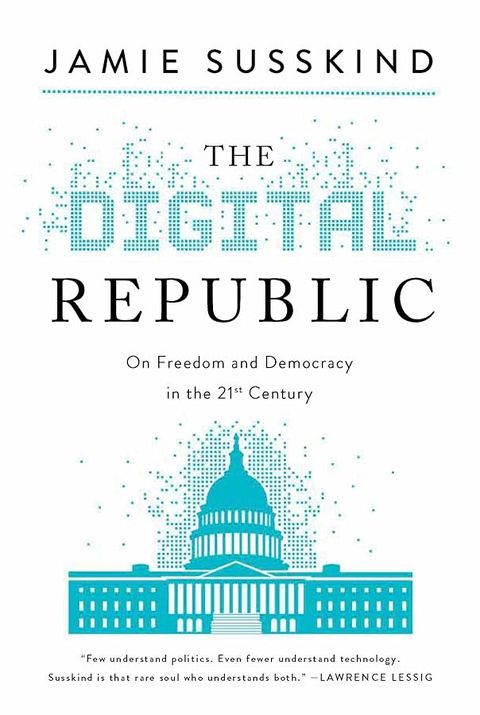
The Digital Republic
A lucid legal and political blueprint for governing digital technology, stronger on institutional design than on technical detail.
Editorial score: 65.5/100Amazon, The Digital Republic (opens Amazon in a new tab) - Rank 98
Hyperscale
A deeply reported critique of the AI data-center boom that documents local costs well but argues from a clear advocacy position.
Editorial score: 66.3/100Amazon, Hyperscale (opens Amazon in a new tab) - Rank 99
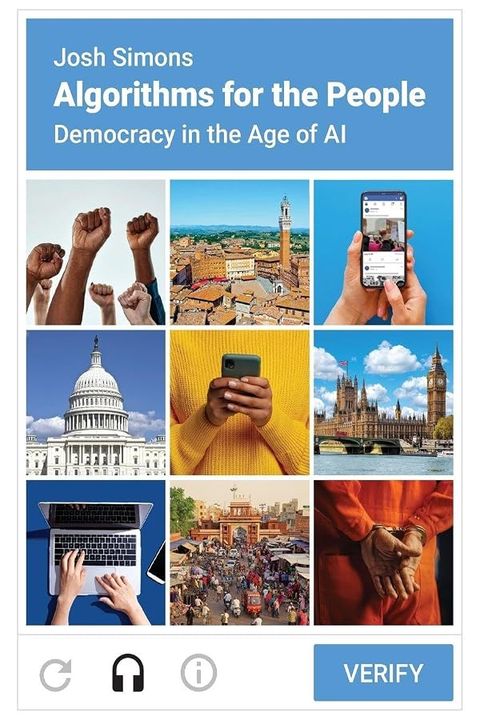
Algorithms for the People
A political theorist's award-winning argument that machine learning's design choices are political and belong under democratic, not merely technical, control.
Editorial score: 63.8/100Amazon, Algorithms for the People (opens Amazon in a new tab) - Rank 100
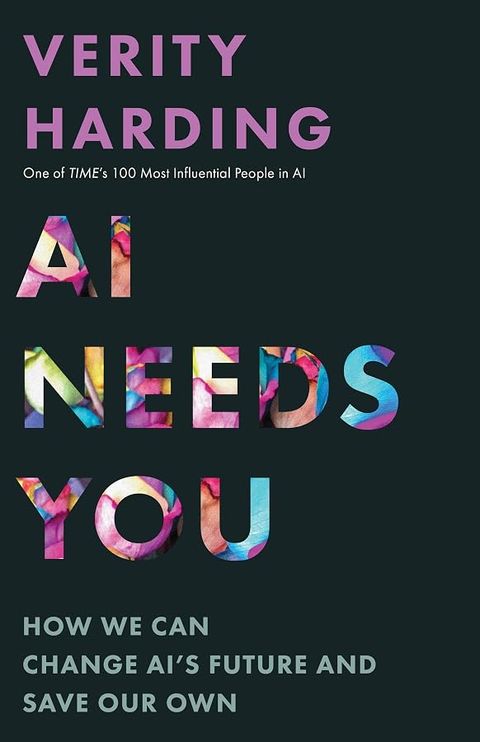
AI Needs You
A policy insider's historically grounded case that democratic choices, not inevitability, should steer AI; persuasive on process, lighter on technical detail.
Editorial score: 68.8/100Amazon, AI Needs You (opens Amazon in a new tab) - Rank 101
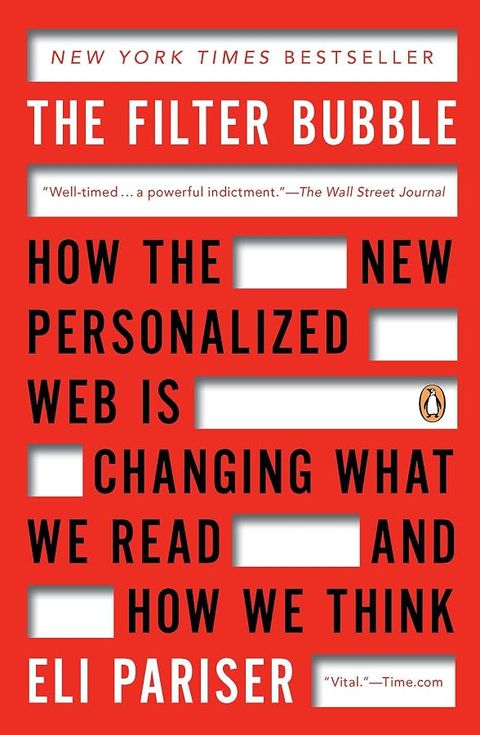
The Filter Bubble
The book that named the filter bubble remains a sharp primer on algorithmic personalization, though later research disputes the effect's strength.
Editorial score: 68.6/100Amazon, The Filter Bubble (opens Amazon in a new tab) - Rank 102
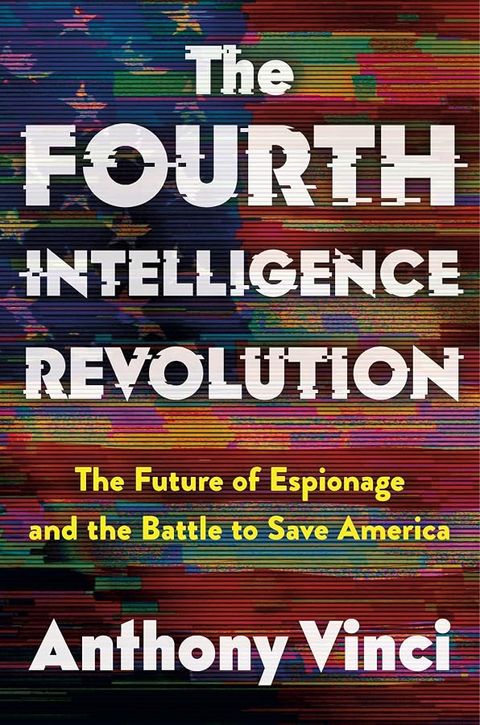
The Fourth Intelligence Revolution
A former intelligence technologist's urgent, readable case that AI and China are remaking espionage, more persuasive on diagnosis than on remedies.
Editorial score: 67.6/100Amazon, The Fourth Intelligence Revolution (opens Amazon in a new tab) - Rank 103
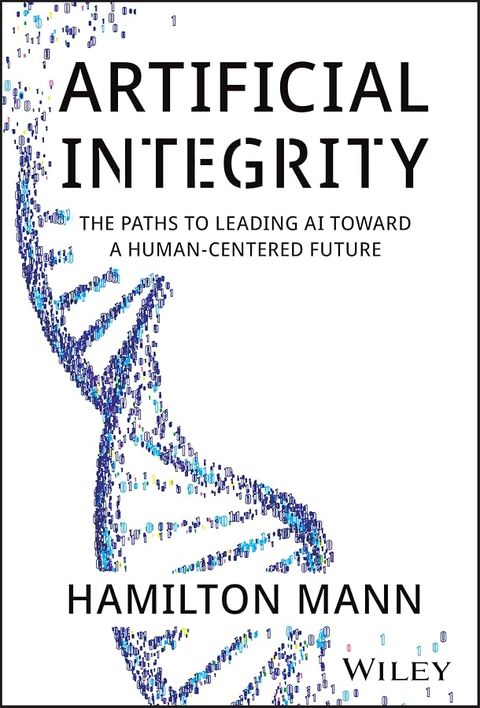
Artificial Integrity
A conceptual executive framework for building AI that upholds human values by design, more useful for framing governance than for engineering it.
Editorial score: 65.6/100Amazon, Artificial Integrity (opens Amazon in a new tab) - Rank 104
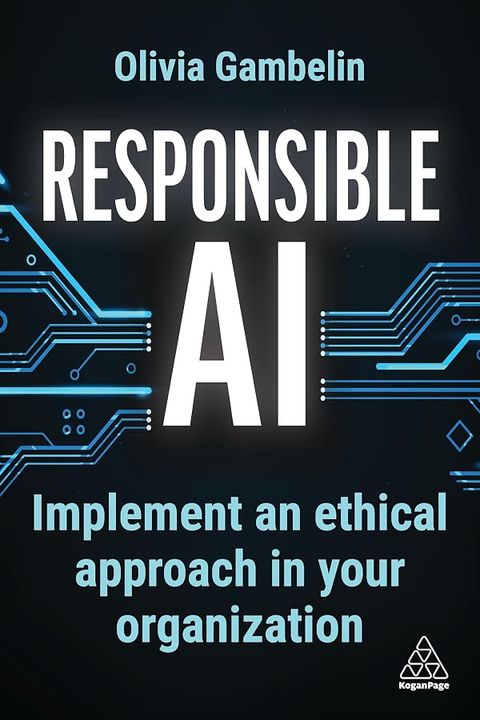
Responsible AI
A practical, framework-driven playbook for turning AI ethics principles into an organizational strategy, written for business leaders rather than philosophers.
Editorial score: 66.3/100Amazon, Responsible AI (opens Amazon in a new tab) - Rank 105
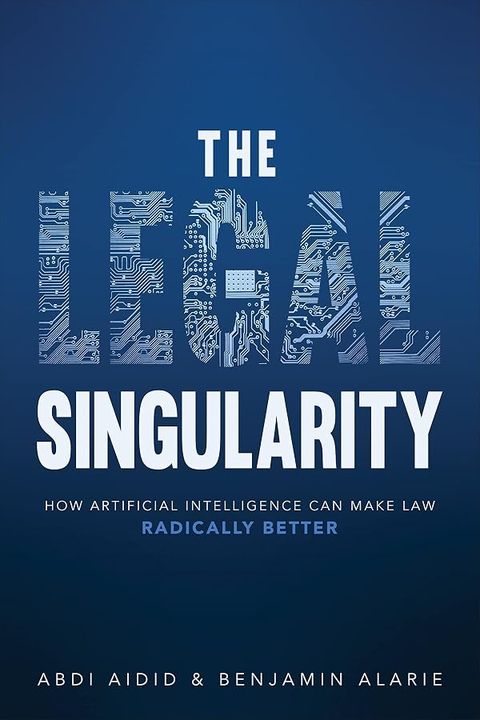
The Legal Singularity
A clear, optimistic argument that AI legal prediction will make law knowable and fair, from two scholars who built such tools.
Editorial score: 65.6/100Amazon, The Legal Singularity (opens Amazon in a new tab) - Rank 106
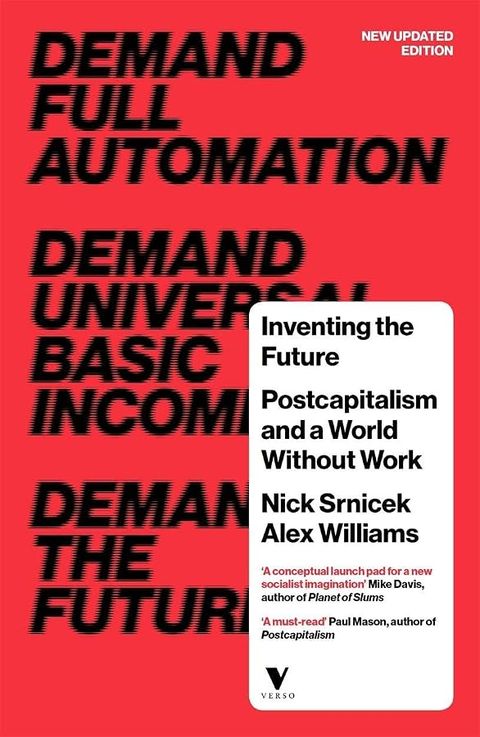
Inventing the Future
An influential left-wing manifesto for full automation, a shorter workweek and basic income that frames today's post-work debates.
Editorial score: 67.3/100Amazon, Inventing the Future (opens Amazon in a new tab) - Rank 107
We Have Been Harmonized
Vivid, deeply reported journalism on how China fuses AI, data and surveillance into a system of political control.
Editorial score: 66.3/100Amazon, We Have Been Harmonized (opens Amazon in a new tab) - Rank 108
The Smart Enough City
A persuasive, case-rich argument that city governments should set policy goals first and adopt data and algorithms only in their service.
Editorial score: 67.5/100Amazon, The Smart Enough City (opens Amazon in a new tab) - Rank 109
Searches
A formally inventive essay collection that examines Big Tech and generative AI through one writer's life, more personal meditation than policy argument.
Editorial score: 66.5/100Amazon, Searches (opens Amazon in a new tab) - Rank 110
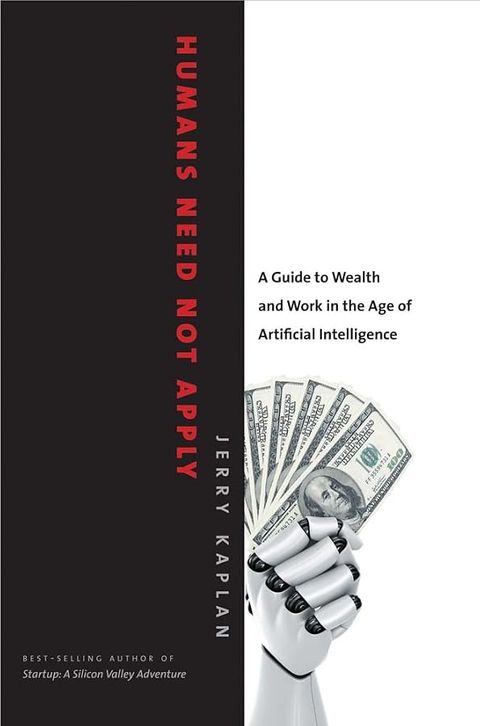
Humans Need Not Apply
A clear, early warning that AI could concentrate wealth, paired with market-based policy ideas that still merit debate.
Editorial score: 62.3/100Amazon, Humans Need Not Apply (opens Amazon in a new tab) - Rank 111
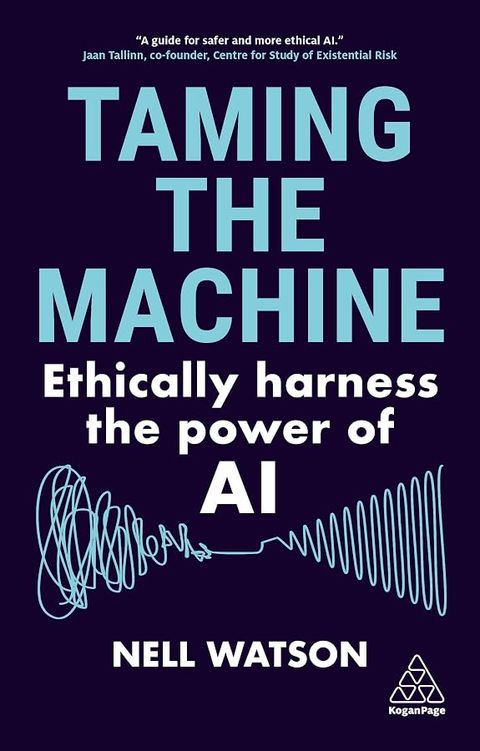
Taming the Machine
A broad, well-organized survey of AI ethics and governance that gives managers a working vocabulary rather than deep technical or legal detail.
Editorial score: 64.8/100Amazon, Taming the Machine (opens Amazon in a new tab) - Rank 112
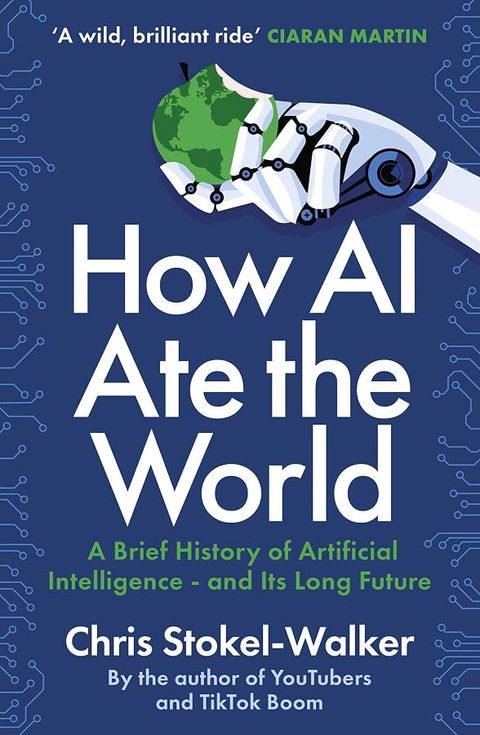
How AI Ate the World
A brisk, well-organized primer on AI's history and present controversies, best suited to newcomers rather than specialists.
Editorial score: 60.3/100Amazon, How AI Ate the World (opens Amazon in a new tab) - Rank 113
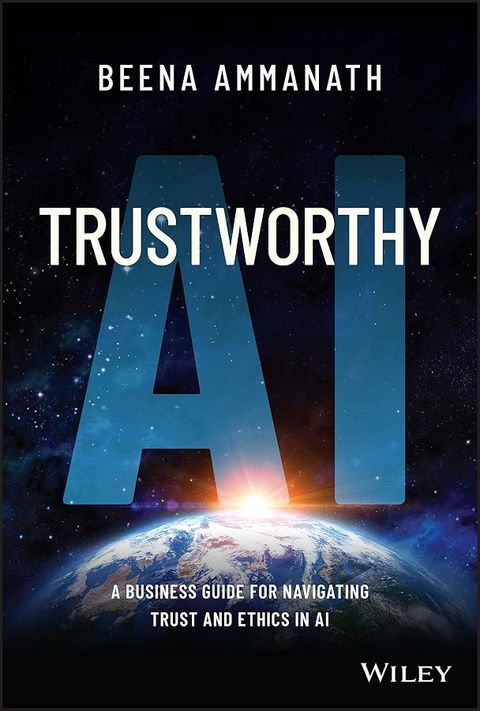
Trustworthy AI
A clear, well-organized primer that turns abstract AI ethics principles into business questions leaders can put to their teams.
Editorial score: 63.8/100Amazon, Trustworthy AI (opens Amazon in a new tab) - Rank 114
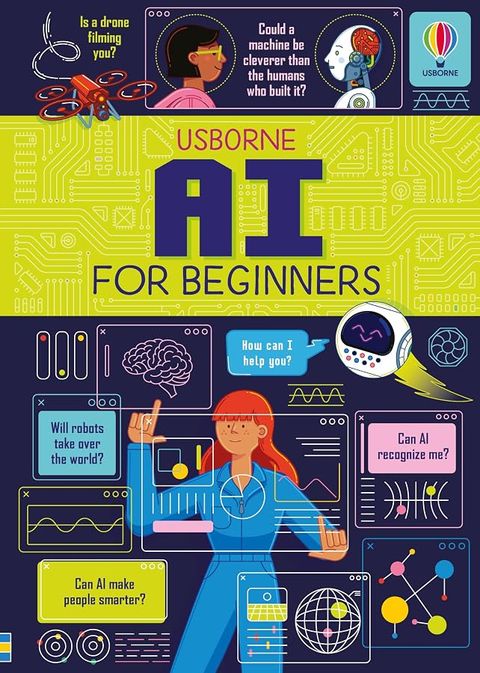
AI for Beginners
A lively, well-designed introduction for readers aged 10 and older that explains how AI works and raises questions worth debating.
Editorial score: 62.8/100Amazon, AI for Beginners (opens Amazon in a new tab) - Rank 115
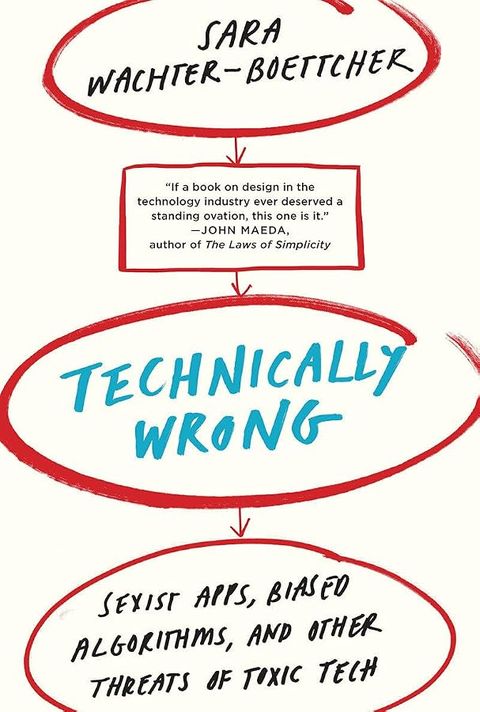
Technically Wrong
An accessible, example-rich indictment of biased product design that remains a useful primer, though its 2017 cases predate generative AI.
Editorial score: 63.0/100Amazon, Technically Wrong (opens Amazon in a new tab)










Guides
AI Ethics & Society guides and lists
-
The 40 Best AI Ethics Books on Power, Bias and Society (2026)
Forty books on bias, surveillance, hidden labor, safety and corporate power, ranked for readers who must judge how AI affects people and institutions, led by Karen Hao's Empire of AI.
