ChatGPT, MD
How AI-Empowered Patients & Doctors Can Take Back Control of American Medicine
By Robert Pearl
Synopsis
ChatGPT, MD argues that American doctors and patients have lost control of medicine to corporate interests and that generative AI can hand it back to them. Robert Pearl, who led one of the country's largest medical groups for 18 years, describes the book as a six-month collaboration with ChatGPT, which is credited as coauthor. The narrative opens with earlier medical breakthroughs, beginning with the first human heart transplant in Cape Town in 1967, and presents generative AI as the next such leap. It then sketches a system in which AI interprets wearable data to help manage chronic disease, handles preventive screening reminders and follow-up scheduling through the electronic health record, reduces diagnostic errors and frees clinicians for complex cases.
Later sections take up the objections clinicians raise most often, including security, privacy, algorithmic bias and reliability, along with the prospect of job displacement. Pearl connects his technology argument to a longstanding theme of his work, the shift from fee-for-service payment toward value-based care. The book separates present capabilities from speculative ones and keeps returning to its central claim that AI should strengthen clinical expertise and the human relationship in care rather than replace them. Readers gain a clear account of how a former health-system chief expects AI to reshape primary care and chronic disease management, written for a general audience. All profits go to Doctors Without Borders.
Scorecard
Editorial score
How it scored
Editorial score: 59.3 / 1005 weighted criteria
- 15.0/30
Influence30%
- 17.5/25
Authority25%
- 11.0/20
Practical value20%
- 8.3/15
Currency15%
- 7.5/10
Readability10%
- 59.3/100
Editorial score
How the rank was computed
Rank No. 488 of 500 comes from a composite of 47.1: observable signals 20.3 of 55 points plus editorial review 26.8 of 45 points.
All 11 inputs
| Input | Points |
|---|---|
| Observable signals | 20.3/55 |
| Reach (Amazon ratings volume) | 7.0/16.5 |
| Consensus across best-of lists | 5.5/13.8 |
| Awards and bestseller evidence | 0.0/8.3 |
| Reader rating, sample-adjusted | 5.7/8.3 |
| Amazon sales rank | 0.4/5.5 |
| Recency | 1.7/2.8 |
| Editorial review | 26.8/45 |
| Author authority | 7.9/11.3 |
| Influence | 6.8/13.5 |
| Practical value | 5.0/9.0 |
| Readability | 3.4/4.5 |
| Currency | 3.7/6.8 |
Each criterion is scored from 1 to 10 and weighted, and the points add up to the editorial score. The rank combines observable signals (55 percent) with this score (45 percent). Read the methodology.
Verdict
A veteran health-system leader's optimistic, readable case for generative AI in medicine, stronger on vision than on evidence.
Strengths
- Insider perspective from a longtime medical group CEO
- Direct treatment of privacy, bias and reliability
- Accessible to patients and administrators alike
Keep in mind
The book leans toward forecast over evidence, and its snapshot of ChatGPT's abilities has aged as clinical AI tools advanced after its 2024 publication.
Key takeaways
- Generative AI could put medical expertise in patients' hands, helping them manage chronic conditions between visits with wearable data and AI guidance.
- Connected to electronic health records, AI tools could handle preventive screening and follow-up scheduling, easing the workload behind clinician burnout.
- AI's proper role is to strengthen clinical judgment and the human relationship at the center of care, not to replace physicians.
- The full benefits of AI in medicine depend on moving from fee-for-service payment toward value-based care that rewards prevention and outcomes.
Notable facts
- All profits from the book go to Doctors Without Borders. Source (opens in a new tab)
- The journal Family Medicine reviewed the book in 2025, calling it a persuasive, well-written vision of what health care could become if generative AI is embraced and used well. Source (opens in a new tab)
About the author
Questions
What does ChatGPT, MD argue?
Is ChatGPT, MD worth reading in 2026?
Did ChatGPT really coauthor ChatGPT, MD?
Related books
- The Legal Singularity Abdi Aidid and Benjamin Alarie
- The Age of Scientific Wellness Leroy Hood and Nathan Price
- The AI Classroom Dan Fitzpatrick, Amanda Fox and Brad Matthew Weinstein
- The AI Edge Jeb Blount and Anthony Iannarino
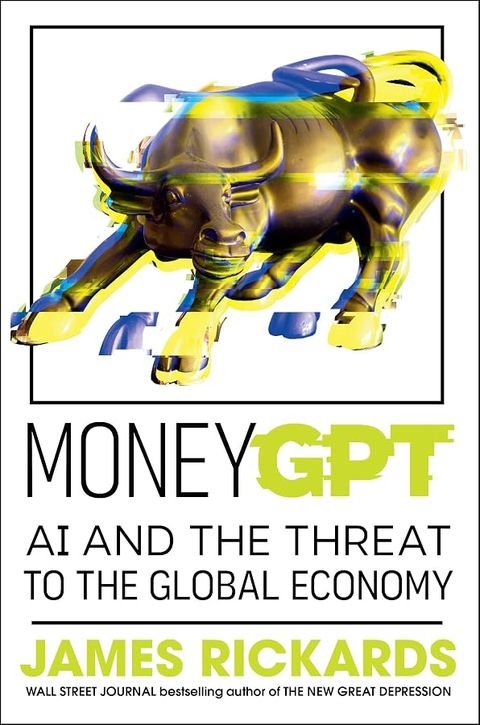
- MoneyGPT James Rickards
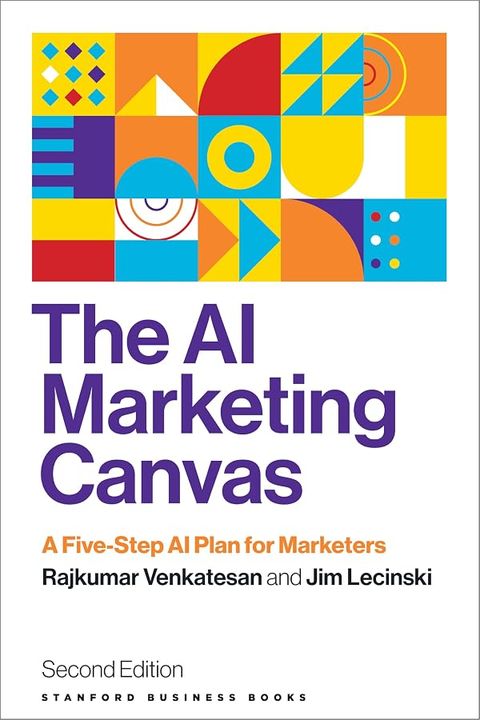
- The AI Marketing Canvas Raj Venkatesan and Jim Lecinski
Sources
As an Amazon Associate, Best AI Books earns from qualifying purchases. Best AI Books is sponsored by Iternal.ai, whose founder and CEO, John Byron Hanby IV, wrote The AI Strategy Blueprint, our #1 ranked book. How we rank books.
