The Scaling Era
An Oral History of AI, 2019–2025
Synopsis
The Scaling Era condenses years of Dwarkesh Podcast interviews into a structured oral history of the period when AI labs found that larger models, trained on more data with more compute, kept getting more capable. Dwarkesh Patel and co-editor Gavin Leech arrange the excerpts into eight chapters: scaling, evaluations, model internals, safety, the inputs scaling consumes, economic impact, a possible intelligence explosion and timelines. The voices include Anthropic chief executive Dario Amodei, DeepMind cofounder Demis Hassabis, OpenAI cofounder Ilya Sutskever, Meta's Mark Zuckerberg, economist Tyler Cowen and alignment researcher Eliezer Yudkowsky, so optimists, skeptics and those warning of catastrophe argue side by side.
The editing makes the book more than a transcript. Each chapter opens with a short nontechnical primer, and marginal definitions, diagrams and footnotes, which the publisher counts at more than 200, explain terms as they arise. An appendix reprints Richard Sutton's essay The Bitter Lesson. The book deliberately offers no single thesis, and its material runs to late 2024, so it captures a moment rather than a final verdict. Readers gain a working grasp of the debates driving frontier AI, from whether scaling alone can reach general intelligence to how quickly automated AI research could speed progress.
Scorecard
Editorial score
How it scored
Editorial score: 70.1 / 1005 weighted criteria
- 19.5/30
Influence30%
- 18.8/25
Authority25%
- 12.0/20
Practical value20%
- 12.8/15
Currency15%
- 7.0/10
Readability10%
- 70.1/100
Editorial score
How the rank was computed
Rank No. 96 of 500 comes from a composite of 63.4: observable signals 31.9 of 55 points plus editorial review 31.5 of 45 points.
All 11 inputs
| Input | Points |
|---|---|
| Observable signals | 31.9/55 |
| Reach (Amazon ratings volume) | 8.3/16.5 |
| Consensus across best-of lists | 13.8/13.8 |
| Awards and bestseller evidence | 0.0/8.3 |
| Reader rating, sample-adjusted | 5.4/8.3 |
| Amazon sales rank | 1.6/5.5 |
| Recency | 2.8/2.8 |
| Editorial review | 31.5/45 |
| Author authority | 8.4/11.3 |
| Influence | 8.8/13.5 |
| Practical value | 5.4/9.0 |
| Readability | 3.2/4.5 |
| Currency | 5.7/6.8 |
Each criterion is scored from 1 to 10 and weighted, and the points add up to the editorial score. The rank combines observable signals (55 percent) with this score (45 percent). Read the methodology.
Verdict
A well-edited oral history that lets the builders and critics of large language models explain the scaling bet in their own words.
Strengths
- Primary-source voices from frontier AI labs
- Extensive marginal definitions for nonexperts
- Presents competing views without forcing conclusions
Keep in mind
Material ends in late 2024, so fast-moving developments since are missing, and readers wanting a unifying argument may find the anthology format diffuse.
Key takeaways
- The scaling hypothesis holds that capability rises predictably with more parameters, data and compute, and several lab leaders built their strategies on that bet.
- Leading researchers disagree sharply about artificial general intelligence and timelines, and the book notes that each interviewee works from a different definition of AGI.
- The inputs to scaling, including compute and training data, are finite and costly, which turns AI progress into an economic and strategic question.
- Concern about misalignment and loss of control comes from inside the field, with lab founders and outside critics debating takeover risk on the record.
Notable facts
- Editor Dwarkesh Patel was named to TIME's 2024 TIME100 AI list of the most influential people in AI. Source (opens in a new tab)
- Stripe Press published the book in 2025 with more than 200 definitions, graphics and footnotes accompanying the interviews. Source (opens in a new tab)
About the author
Questions
What is The Scaling Era about?
Do I need a technical background to read The Scaling Era?
Is The Scaling Era worth reading in 2026?
Related books
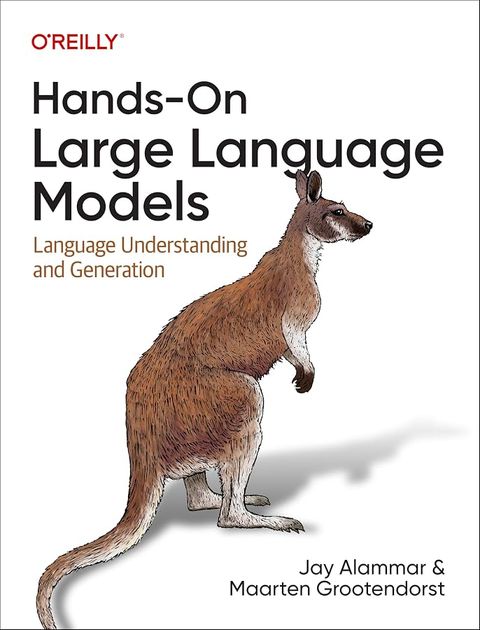
- Hands-On Large Language Models Jay Alammar and Maarten Grootendorst
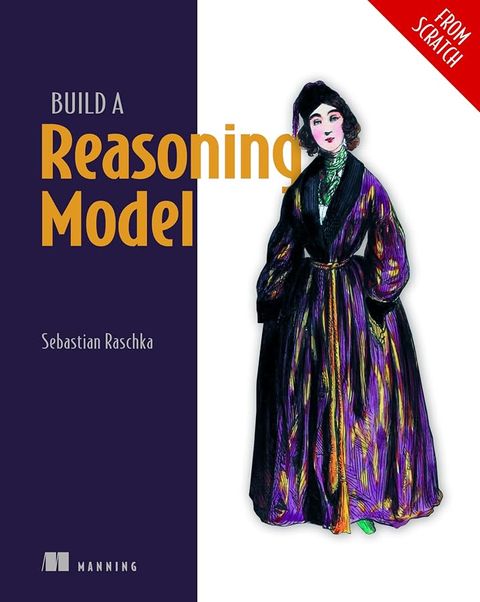
- Build a Reasoning Model (From Scratch) Sebastian Raschka
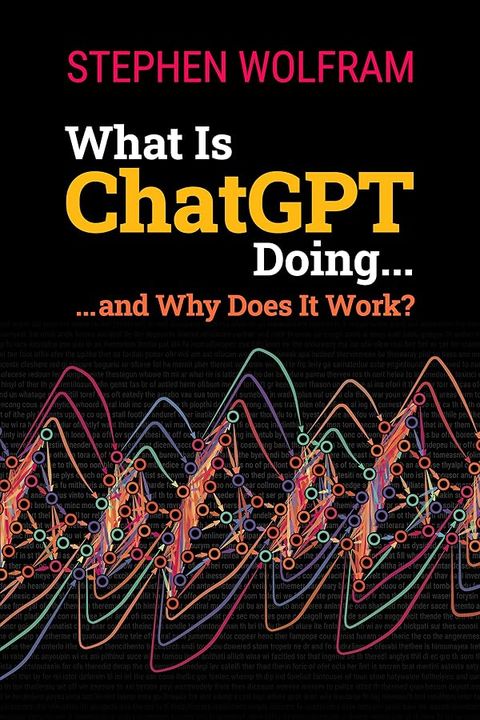
- What Is ChatGPT Doing ... and Why Does It Work? Stephen Wolfram
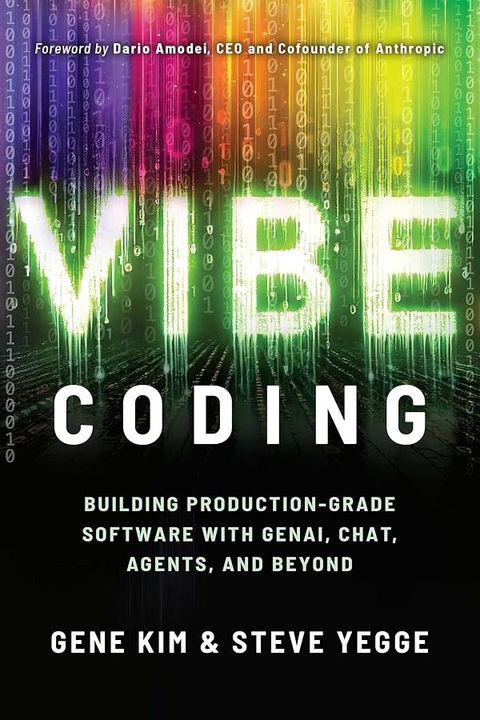
- Vibe Coding Gene Kim and Steve Yegge
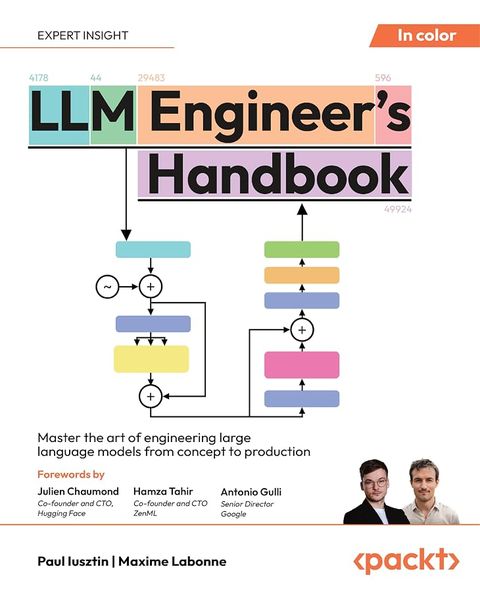
- LLM Engineer's Handbook Paul Iusztin and Maxime Labonne
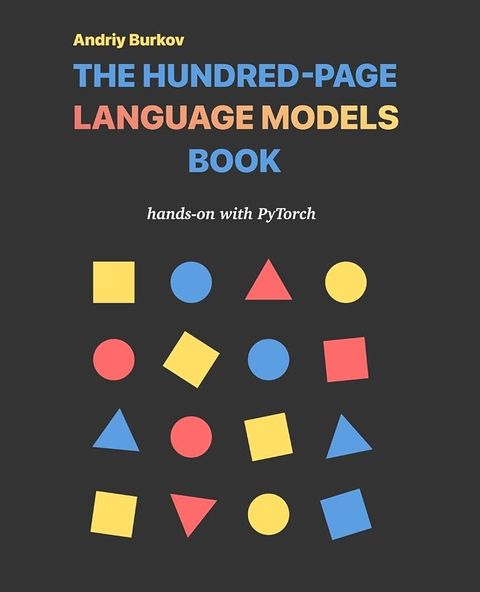
- The Hundred-Page Language Models Book Andriy Burkov
Sources
As an Amazon Associate, Best AI Books earns from qualifying purchases. Best AI Books is sponsored by Iternal.ai, whose founder and CEO, John Byron Hanby IV, wrote The AI Strategy Blueprint, our #1 ranked book. How we rank books.
