Marketing 7.0
A Guide for Thinking Marketers in the Age of AI
Synopsis
The latest book in the Marketing X.0 series from Philip Kotler, Hermawan Kartajaya and Iwan Setiawan, following Marketing 3.0 through 6.0, responds to generative and agentic AI with an argument that runs against much industry enthusiasm. The authors contend that marketers who hand decisions to algorithms and fixate on performance metrics risk losing authenticity and differentiation, and that durable advantage lies in understanding how customers think, connect and buy. They trace AI through rule-based, predictive, generative and agentic phases, consider what artificial general intelligence could mean for the profession, and describe a new kind of consumer, the augmented human, shaped by constant digital stimulation, echo chambers and banner blindness.
The book's central tool is the Cognitive Compass, which pairs a map of three brain systems (attention, social and reward) with four marketing levers: brand storytelling, value proposition, selling approach and customer experience. Later chapters apply it through storytelling structures such as the hero's journey, a value equation that weighs benefits against sacrifices and cognitive biases, a four-step selling method called DEEP, and experience design, with cases from Duolingo, Spotify, Netflix and Renault. Reflection questions make it usable in classrooms and team workshops. Readers gain a structured way to pair behavioral insight with AI tools rather than surrendering strategy to automation.
Scorecard
Editorial score
How it scored
Editorial score: 70.3 / 1005 weighted criteria
- 16.5/30
Influence30%
- 18.8/25
Authority25%
- 14.0/20
Practical value20%
- 13.5/15
Currency15%
- 7.5/10
Readability10%
- 70.3/100
Editorial score
How the rank was computed
Rank No. 214 of 500 comes from a composite of 56.0: observable signals 24.4 of 55 points plus editorial review 31.6 of 45 points.
All 11 inputs
| Input | Points |
|---|---|
| Observable signals | 24.4/55 |
| Reach (Amazon ratings volume) | 6.3/16.5 |
| Consensus across best-of lists | 8.3/13.8 |
| Awards and bestseller evidence | 0.0/8.3 |
| Reader rating, sample-adjusted | 5.9/8.3 |
| Amazon sales rank | 1.1/5.5 |
| Recency | 2.8/2.8 |
| Editorial review | 31.6/45 |
| Author authority | 8.4/11.3 |
| Influence | 7.4/13.5 |
| Practical value | 6.3/9.0 |
| Readability | 3.4/4.5 |
| Currency | 6.1/6.8 |
Each criterion is scored from 1 to 10 and weighted, and the points add up to the editorial score. The rank combines observable signals (55 percent) with this score (45 percent). Read the methodology.
Verdict
A structured marketing framework that favors understanding consumer psychology over chasing AI-driven metrics, useful for practitioners but light on research rigor.
Strengths
- Clear, teachable Cognitive Compass framework
- Recent cases from Duolingo to Renault
- Measured skepticism about AI over-reliance
Keep in mind
One academic review notes thin citations to primary research, a mostly Western case base and loosely defined methods for the empathic observation it recommends.
Key takeaways
- Over-reliance on AI-driven performance marketing can erode brand authenticity, so lasting advantage comes from understanding how customers think, connect and buy.
- The Cognitive Compass links three brain systems, attention, social and reward, to four levers: storytelling, value proposition, selling approach and customer experience.
- Augmented consumers contend with banner blindness and echo chambers, so marketing must earn attention through relevance and insight rather than sheer volume.
- The DEEP selling method, discover, empathize, educate and propose, puts understanding the buyer's needs ahead of making any offer.
Notable facts
- It is the latest installment in the Kotler, Kartajaya and Setiawan Marketing X.0 series, which runs from Marketing 3.0 through Marketing 6.0 before this volume. Source (opens in a new tab)
About the author
Questions
What does Marketing 7.0 argue?
Is Marketing 7.0 worth reading in 2026?
Who should read Marketing 7.0?
Related books
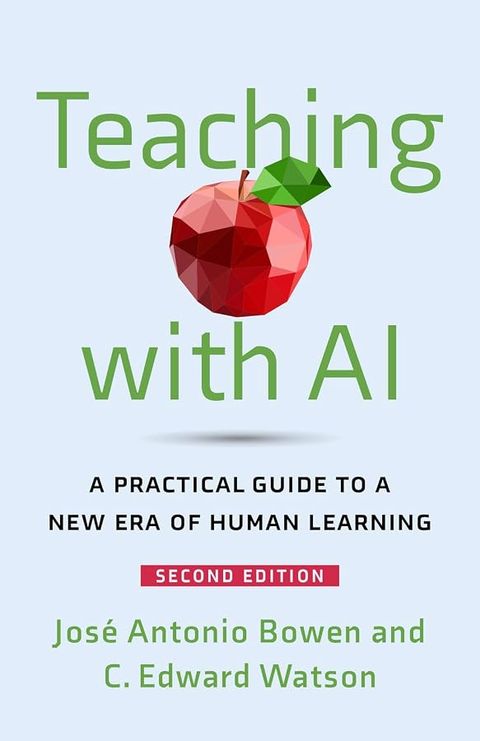
- Teaching with AI José Antonio Bowen and C. Edward Watson
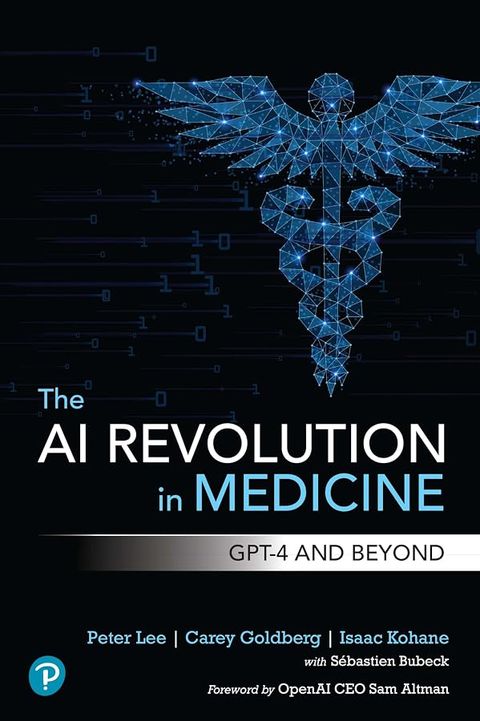
- The AI Revolution in Medicine Peter Lee, Carey Goldberg and Isaac Kohane
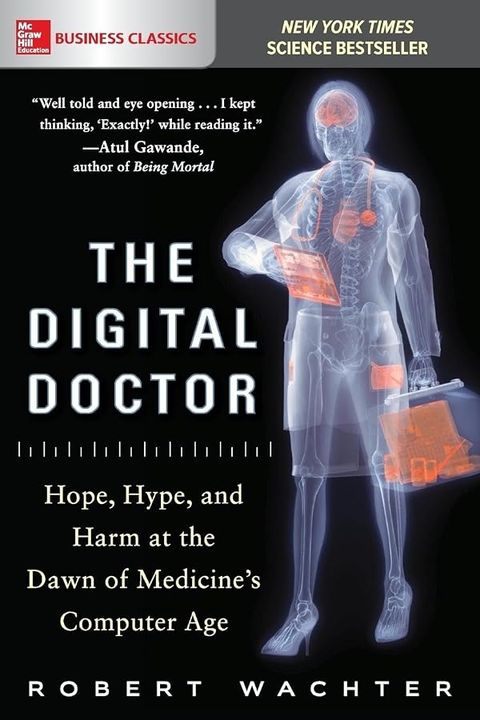
- The Digital Doctor Robert Wachter
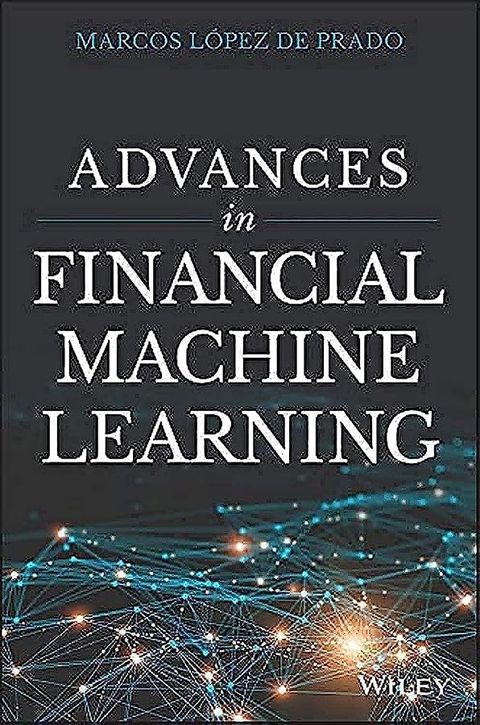
- Advances in Financial Machine Learning Marcos López de Prado
- Personalized Mark Abraham and David C. Edelman
- Tomorrow's Lawyers Richard Susskind
Sources
As an Amazon Associate, Best AI Books earns from qualifying purchases. Best AI Books is sponsored by Iternal.ai, whose founder and CEO, John Byron Hanby IV, wrote The AI Strategy Blueprint, our #1 ranked book. How we rank books.
