Tomorrow's Lawyers
An Introduction to your Future
Synopsis
Richard Susskind, who has worked on AI and the law since the 1980s, wrote this short book for students and young practitioners who want to know what legal careers will look like in the decades ahead. First published in 2013 and revised in 2017 and 2023, it argues that three forces, clients' demand for more service at lower cost, the liberalization of legal markets and information technology, will push legal work away from bespoke, hourly-billed advice toward standardized, systematized and eventually commoditized services. The third edition adds a chapter on the pandemic's effect on legal practice and updates its account of online courts, lawtech startups and disruptive technologies.
The book is organized in three parts: the forces transforming the legal market; the new landscape for law firms, in-house teams, courts and access to justice; and the prospects for young lawyers, including new roles such as legal knowledge engineer and the questions candidates should ask prospective employers. A closing chapter considers artificial intelligence over the long term. Readers gain a vocabulary and a set of scenarios for career planning. The third edition went to press before ChatGPT's release, so its treatment of generative AI stops at earlier systems such as GPT-3; Susskind's 2025 book How to Think About AI addresses the newer technology.
Scorecard
Editorial score
How it scored
Editorial score: 77.3 / 1005 weighted criteria
- 24.0/30
Influence30%
- 22.5/25
Authority25%
- 14.0/20
Practical value20%
- 8.3/15
Currency15%
- 8.5/10
Readability10%
- 77.3/100
Editorial score
How the rank was computed
Rank No. 284 of 500 comes from a composite of 53.5: observable signals 18.8 of 55 points plus editorial review 34.7 of 45 points.
All 11 inputs
| Input | Points |
|---|---|
| Observable signals | 18.8/55 |
| Reach (Amazon ratings volume) | 7.7/16.5 |
| Consensus across best-of lists | 2.8/13.8 |
| Awards and bestseller evidence | 0.0/8.3 |
| Reader rating, sample-adjusted | 5.8/8.3 |
| Amazon sales rank | 0.8/5.5 |
| Recency | 1.7/2.8 |
| Editorial review | 34.7/45 |
| Author authority | 10.1/11.3 |
| Influence | 10.8/13.5 |
| Practical value | 6.3/9.0 |
| Readability | 3.8/4.5 |
| Currency | 3.7/6.8 |
Each criterion is scored from 1 to 10 and weighted, and the points add up to the editorial score. The rank combines observable signals (55 percent) with this score (45 percent). Read the methodology.
Verdict
Susskind's concise guide to how technology is reshaping legal services remains a sound starting point for anyone entering the profession.
Strengths
- Short, direct and free of jargon
- Concrete career advice for law students
- Author brings four decades in legal technology
Keep in mind
The third edition predates ChatGPT, its focus leans toward large commercial firms, and one reviewer found its treatment of legal aid and publicly funded work thin.
Key takeaways
- Clients' demand for more legal service at lower cost, market liberalization and new technology will together force lasting change in how law is practiced.
- Legal work can be broken into tasks, many of which can be standardized, outsourced or automated instead of handled by senior lawyers billing by the hour.
- Online courts and online dispute resolution can widen access to justice for people and businesses priced out of conventional legal services.
- Young lawyers should prepare for new roles such as legal knowledge engineer and legal technologist, and should press employers on their strategy for change.
Notable facts
- Oxford University Press reports that the first and second editions of Tomorrow's Lawyers became international bestsellers. Source (opens in a new tab)
- The Law Society Gazette gave the third edition four stars and called it "an interesting and important book." Source (opens in a new tab)
About the author
Questions
What is Tomorrow's Lawyers about?
Which edition of Tomorrow's Lawyers should I read?
Is Tomorrow's Lawyers worth reading in 2026?
Related books
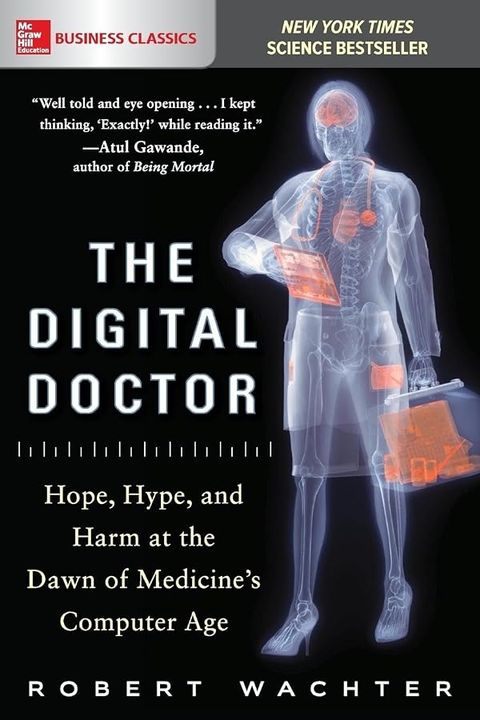
- The Digital Doctor Robert Wachter
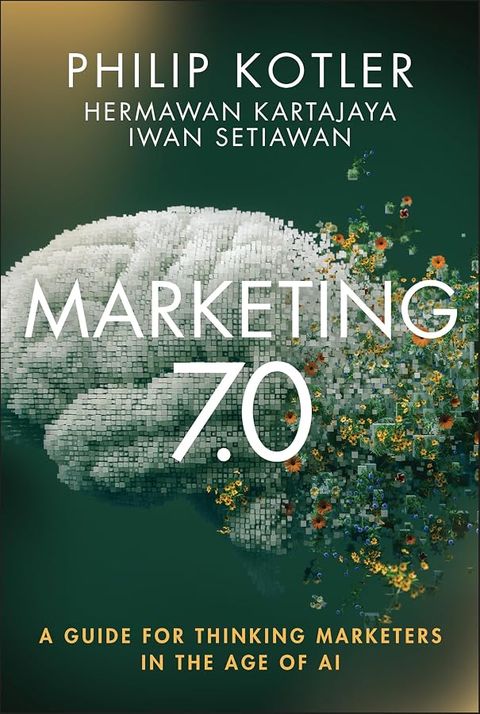
- Marketing 7.0 Philip Kotler, Hermawan Kartajaya and Iwan Setiawan
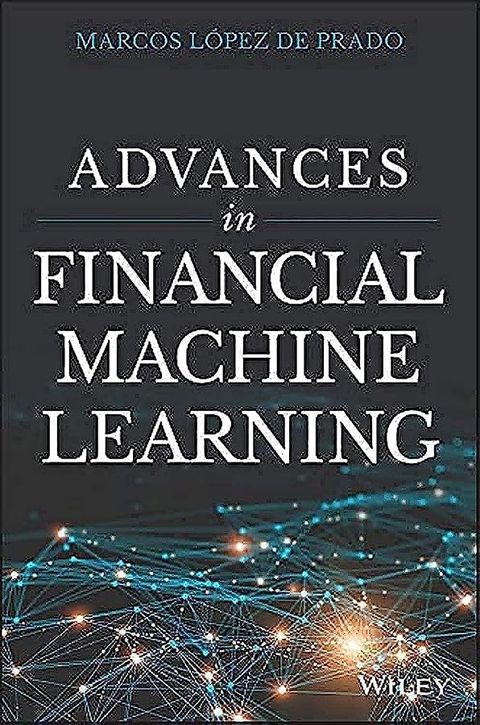
- Advances in Financial Machine Learning Marcos López de Prado
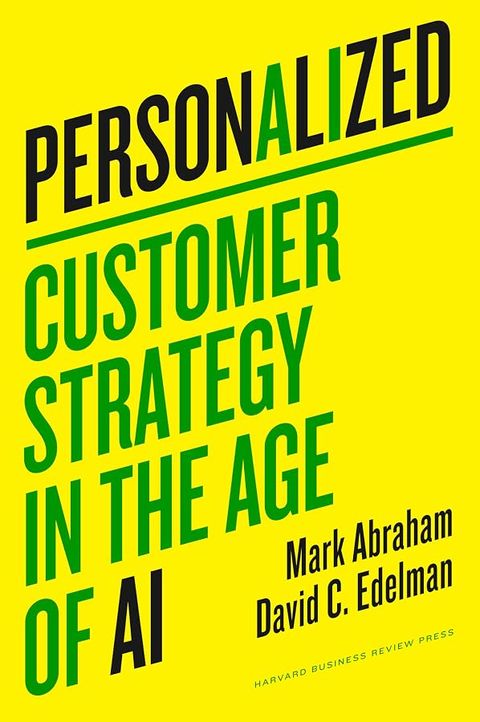
- Personalized Mark Abraham and David C. Edelman
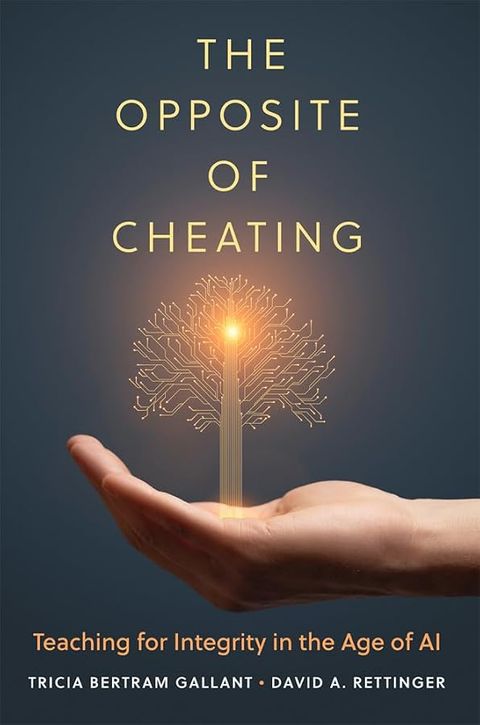
- The Opposite of Cheating Tricia Bertram Gallant and David A. Rettinger
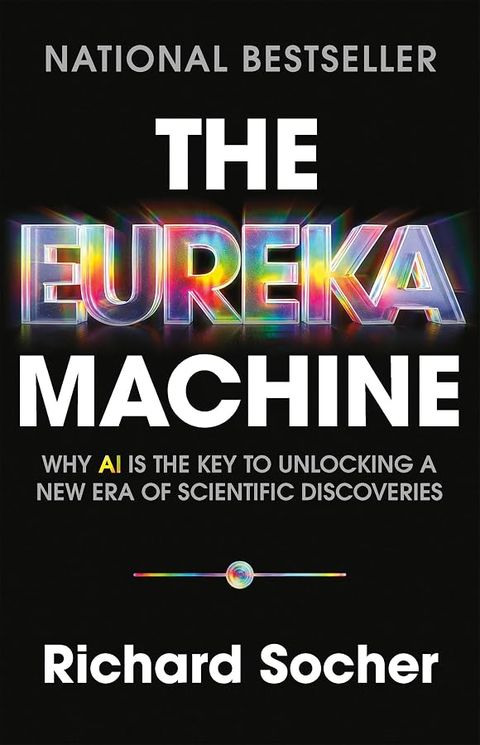
- The Eureka Machine Richard Socher
Sources
- Oxford University Press: Tomorrow's Lawyers (third edition) (opens in a new tab)
- Law Society Gazette: Tomorrow's Lawyers review (opens in a new tab)
- Access Legal: What will tomorrow's law firm look like? (opens in a new tab)
- Solicitors Journal: Richard Susskind leaves role as technology adviser to Lady Chief Justice (opens in a new tab)
As an Amazon Associate, Best AI Books earns from qualifying purchases. Best AI Books is sponsored by Iternal.ai, whose founder and CEO, John Byron Hanby IV, wrote The AI Strategy Blueprint, our #1 ranked book. How we rank books.
