The Technology Fallacy
How People Are the Real Key to Digital Transformation
By Gerald C. Kane, Anh Nguyen Phillips, Jonathan R. Copulsky and Garth R. Andrus
Synopsis
Gerald Kane and three Deloitte-affiliated coauthors draw on four years of research conducted with MIT Sloan Management Review and Deloitte, including surveys of more than 16,000 people and interviews with managers at companies such as Walmart, Google and Salesforce. Their central claim is that organizations misread digital disruption when they treat it as a technology purchasing problem. The harder work is changing how people collaborate, make decisions and take risks, because technology changes faster than most organizations can absorb.
The authors introduce digital maturity, an organization's capacity to exploit what new technologies make possible, and organize the book into three parts: what disruption means, what maturity requires of strategy, and the conditions under which companies adapt. Each of fifteen chapters addresses a single question and closes with a summary of what the research shows and what leaders can do about it. Topics include developing digital talent, encouraging experimentation, distributing leadership and designing intentional collaboration. Readers gain diagnostic questions for assessing their own organization and survey evidence to support people-centered change programs.
Scorecard
Editorial score
How it scored
Editorial score: 65.3 / 1005 weighted criteria
- 18.0/30
Influence30%
- 17.5/25
Authority25%
- 14.0/20
Practical value20%
- 8.3/15
Currency15%
- 7.5/10
Readability10%
- 65.3/100
Editorial score
How the rank was computed
Rank No. 435 of 500 comes from a composite of 48.9: observable signals 19.5 of 55 points plus editorial review 29.4 of 45 points.
All 11 inputs
| Input | Points |
|---|---|
| Observable signals | 19.5/55 |
| Reach (Amazon ratings volume) | 9.1/16.5 |
| Consensus across best-of lists | 2.8/13.8 |
| Awards and bestseller evidence | 0.0/8.3 |
| Reader rating, sample-adjusted | 6.6/8.3 |
| Amazon sales rank | 1.0/5.5 |
| Recency | 0.0/2.8 |
| Editorial review | 29.4/45 |
| Author authority | 7.9/11.3 |
| Influence | 8.1/13.5 |
| Practical value | 6.3/9.0 |
| Readability | 3.4/4.5 |
| Currency | 3.7/6.8 |
Each criterion is scored from 1 to 10 and weighted, and the points add up to the editorial score. The rank combines observable signals (55 percent) with this score (45 percent). Read the methodology.
Verdict
A research-backed management guide arguing that digital transformation, including AI adoption, succeeds through culture, talent and leadership more than technology.
Strengths
- Grounded in a 16,000-person survey program
- Each chapter ends with actionable guidance
- Applies across industries and organization sizes
Keep in mind
Its focus is digital transformation broadly, written before generative AI, so readers seeking AI-specific strategy or technical detail will need companion reading.
Key takeaways
- Digital disruption is driven less by technology itself than by the gap between how fast technology changes and how fast organizations adapt.
- Digital maturity reflects culture, talent and ways of working, so buying the right tools rarely produces transformation on its own.
- Organizations that tolerate risk and run experiments adapt faster than those that demand certainty before acting on new technology.
- Leaders should foster intentional collaboration across functions and give employees chances to build digital skills, since talent drives digital maturity.
Notable facts
- The book draws on four years of research conducted with MIT Sloan Management Review and Deloitte, including surveys of more than 16,000 people and interviews with managers at Walmart, Google and Salesforce. Source (opens in a new tab)
About the author
Questions
What does The Technology Fallacy argue?
Is The Technology Fallacy relevant to AI transformation?
Who should read The Technology Fallacy?
Related books
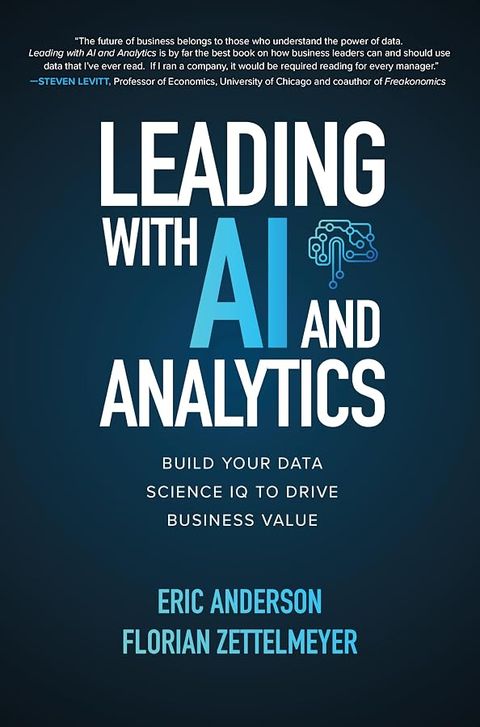
- Leading with AI and Analytics Eric Anderson and Florian Zettelmeyer
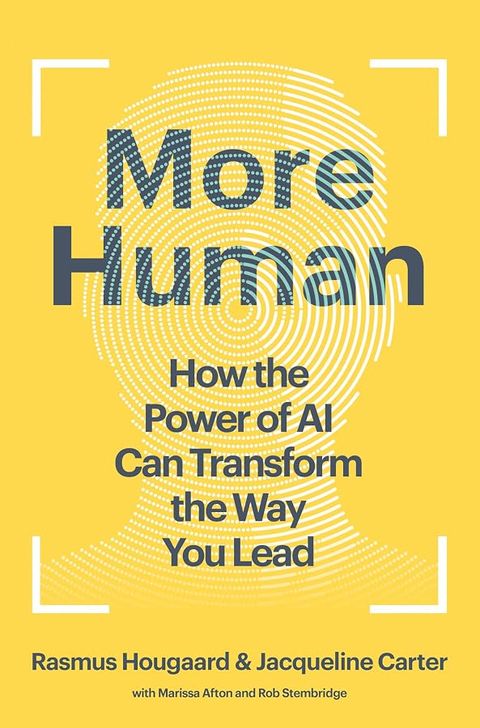
- More Human Rasmus Hougaard and Jacqueline Carter
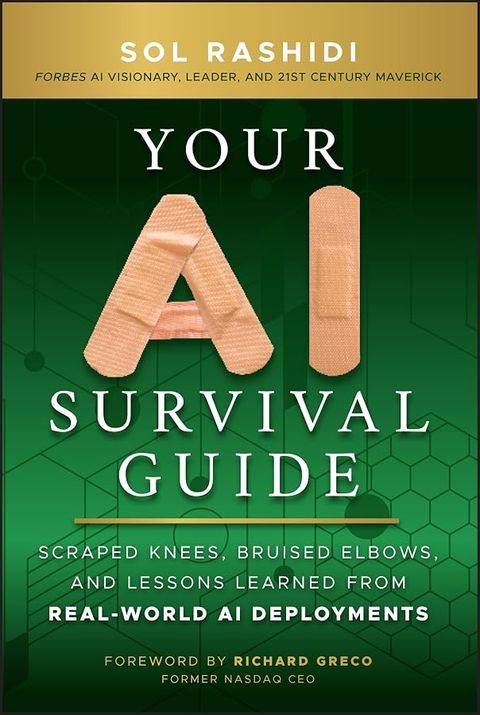
- Your AI Survival Guide Sol Rashidi
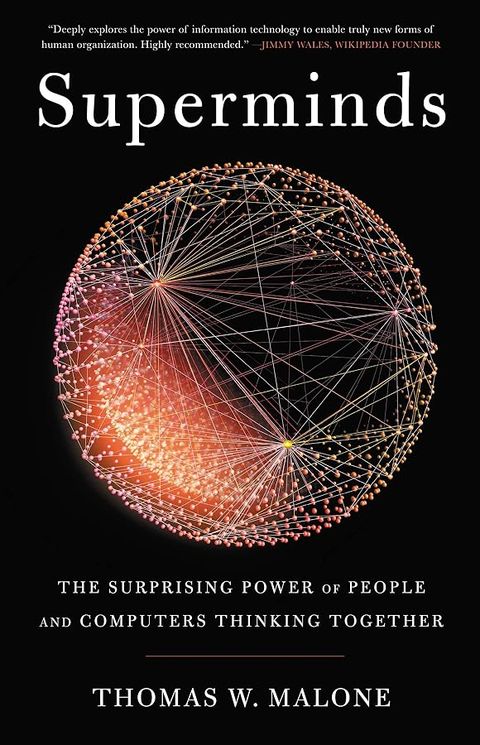
- Superminds Thomas W. Malone
- Digital Transformation Thomas M. Siebel
- HBR's 10 Must Reads on AI, Analytics, and the New Machine Age Harvard Business Review, Thomas H. Davenport and Michael E. Porter
Sources
As an Amazon Associate, Best AI Books earns from qualifying purchases. Best AI Books is sponsored by Iternal.ai, whose founder and CEO, John Byron Hanby IV, wrote The AI Strategy Blueprint, our #1 ranked book. How we rank books.
