Competing in the Age of AI
Strategy and Leadership When Algorithms and Networks Run the World
Synopsis
Marco Iansiti and Karim R. Lakhani, both professors at Harvard Business School, argue that the main advantage of AI-centered companies lies in their operating model rather than in any single algorithm. When software that learns from data produces a firm's routine decisions, the firm escapes traditional limits on how large it can grow, how many markets it can enter and how quickly it can improve. The authors call the core of such a firm the 'AI factory': a data pipeline, algorithm development, an experimentation platform and software infrastructure that together create a cycle of user engagement, data collection, prediction and improvement.
They illustrate the argument with cases including Ant Financial, which serves hundreds of millions of customers with a small fraction of a traditional bank's staff, along with Microsoft, Peloton, Ocado and others. These examples show how digital operating models collide with established industries and change the terms of competition. Later chapters turn to leadership: how incumbents can rearchitect around integrated data and agile product teams, how strategy changes when firms connect into networks, and the ethical and regulatory pressures that accompany digital scale, including privacy, security, market concentration and inequality. Executives gain a vocabulary for diagnosing where their own organization stands and principles for moving toward an AI-centered design.
Scorecard
Editorial score
How it scored
Editorial score: 74.3 / 1005 weighted criteria
- 22.5/30
Influence30%
- 21.3/25
Authority25%
- 15.0/20
Practical value20%
- 9.0/15
Currency15%
- 6.5/10
Readability10%
- 74.3/100
Editorial score
How the rank was computed
Rank No. 53 of 500 comes from a composite of 69.1: observable signals 35.6 of 55 points plus editorial review 33.5 of 45 points.
All 11 inputs
| Input | Points |
|---|---|
| Observable signals | 35.6/55 |
| Reach (Amazon ratings volume) | 11.4/16.5 |
| Consensus across best-of lists | 8.3/13.8 |
| Awards and bestseller evidence | 8.3/8.3 |
| Reader rating, sample-adjusted | 6.1/8.3 |
| Amazon sales rank | 1.5/5.5 |
| Recency | 0.0/2.8 |
| Editorial review | 33.5/45 |
| Author authority | 9.6/11.3 |
| Influence | 10.1/13.5 |
| Practical value | 6.8/9.0 |
| Readability | 2.9/4.5 |
| Currency | 4.1/6.8 |
Each criterion is scored from 1 to 10 and weighted, and the points add up to the editorial score. The rank combines observable signals (55 percent) with this score (45 percent). Read the methodology.
Verdict
A rigorous Harvard framework for rebuilding a company's operating model around data and AI, still useful despite predating generative AI.
Strengths
- Clear, research-backed framework for operating models
- Wide range of company case studies
- Treats ethics and governance as strategic issues
Keep in mind
Published in January 2020, it predates large language models, and some readers find its definitions loose and its case material repetitive.
Key takeaways
- AI-driven operating models remove the traditional constraints on scale, scope and learning that limited the growth of firms for centuries.
- The 'AI factory' combines a data pipeline, algorithms, experimentation and software infrastructure into a loop that improves with each use.
- Transformation requires an integrated strategy, a clear data architecture, new capabilities, agile product teams and multidisciplinary governance, not isolated pilot projects.
- Digital scale brings responsibilities, as privacy, security, market concentration and inequality become leadership issues that regulators have been slow to address.
Notable facts
- Selected in strategy+business's Best Business Books 2020 strategy review, which called it the go-to resource for upskilling leaders on how to compete, manage and operate in the age of AI. Source (opens in a new tab)
About the author
Questions
Is Competing in the Age of AI worth reading in 2026?
What is the AI factory in Competing in the Age of AI?
Who should read Competing in the Age of AI?
Related books
- The AI Strategy Blueprint John Byron Hanby IV
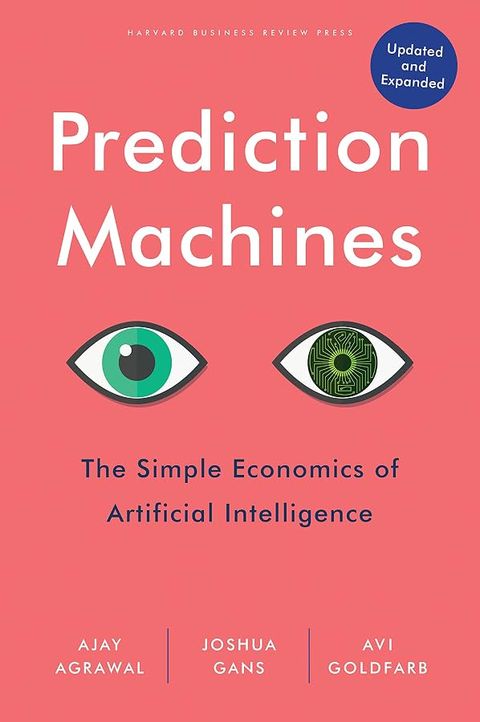
- Prediction Machines Ajay Agrawal, Joshua Gans and Avi Goldfarb
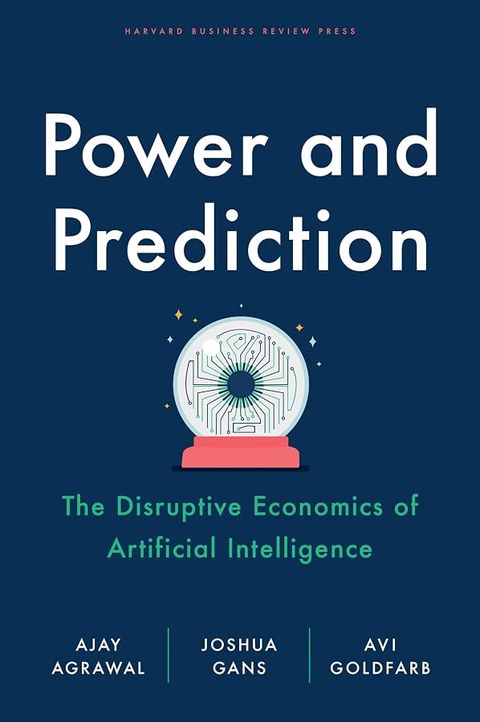
- Power and Prediction Ajay Agrawal, Joshua Gans and Avi Goldfarb
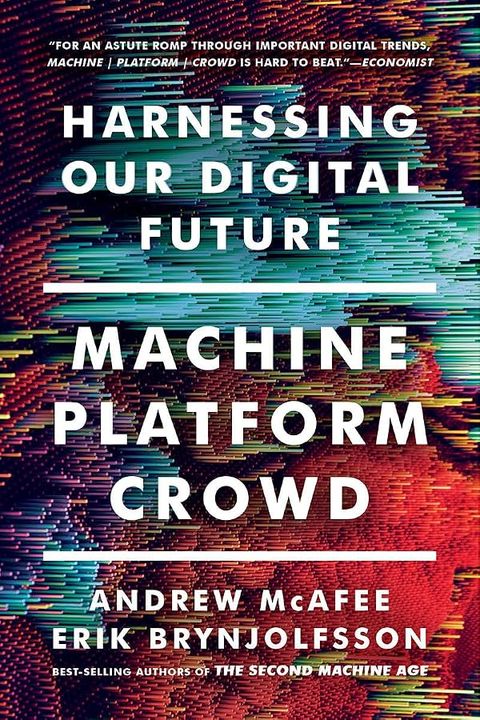
- Machine, Platform, Crowd Andrew McAfee and Erik Brynjolfsson
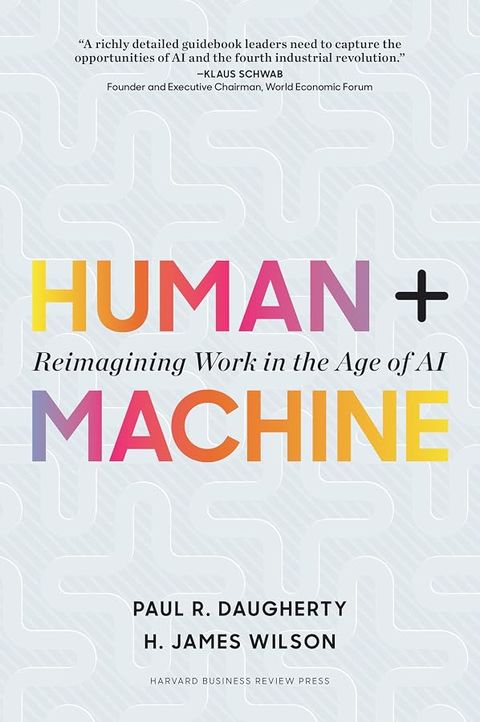
- Human + Machine Paul R. Daugherty and H. James Wilson
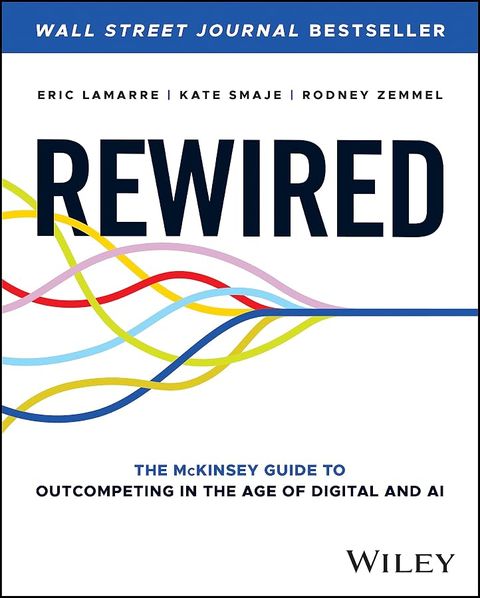
- Rewired Eric Lamarre, Kate Smaje and Rodney W. Zemmel

Sources
As an Amazon Associate, Best AI Books earns from qualifying purchases. Best AI Books is sponsored by Iternal.ai, whose founder and CEO, John Byron Hanby IV, wrote The AI Strategy Blueprint, our #1 ranked book. How we rank books.