2026 ranking · 500 books
The Best AI Books, Ranked 301–400 (2026)
Ranks 301 to 400 of 500, each with a one-line verdict and a full summary page.
As an Amazon Associate, Best AI Books earns from qualifying purchases. Best AI Books is sponsored by Iternal.ai, whose founder and CEO, John Byron Hanby IV, wrote The AI Strategy Blueprint, our #1 ranked book. How we rank books.
- Rank 301
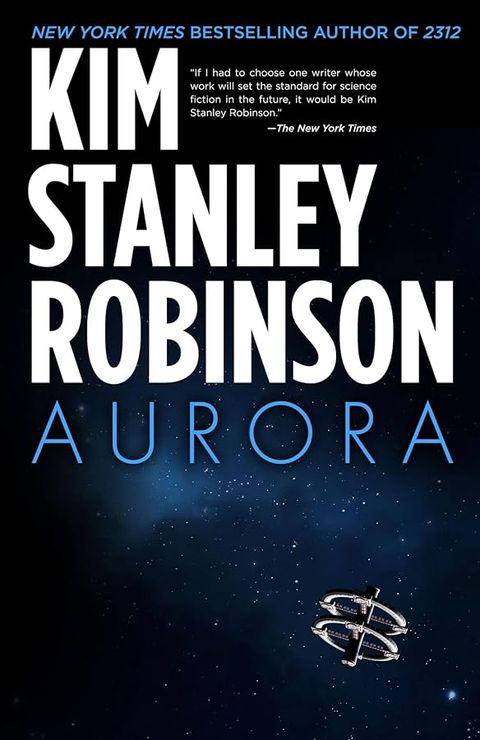
Aurora
A demanding hard-SF novel whose AI narrator learns to tell a human story, offering rare depth on machine consciousness and care.
Editorial score: 72.1/100Amazon, Aurora (opens Amazon in a new tab) - Rank 302
Ode to the Half-Broken
A warm, funny postapocalyptic robot quest that carries a sober story about AI weapons, culpability and the work of rebuilding.
Editorial score: 63.3/100Amazon, Ode to the Half-Broken (opens Amazon in a new tab) - Rank 303
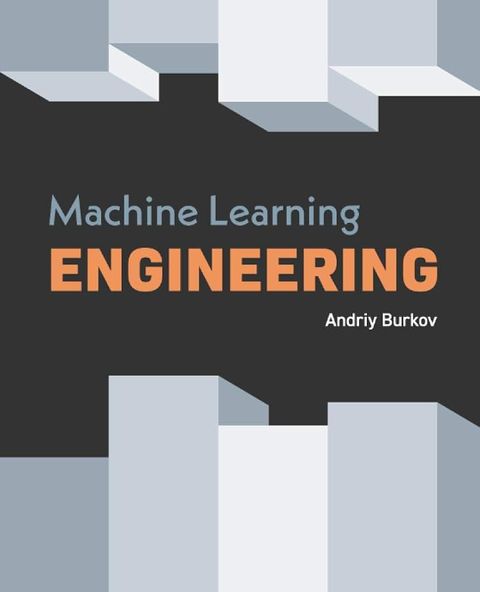
Machine Learning Engineering
A compact, practical map of the full ML project lifecycle, still useful for fundamentals though silent on foundation models.
Editorial score: 68.8/100Amazon, Machine Learning Engineering (opens Amazon in a new tab) - Rank 304
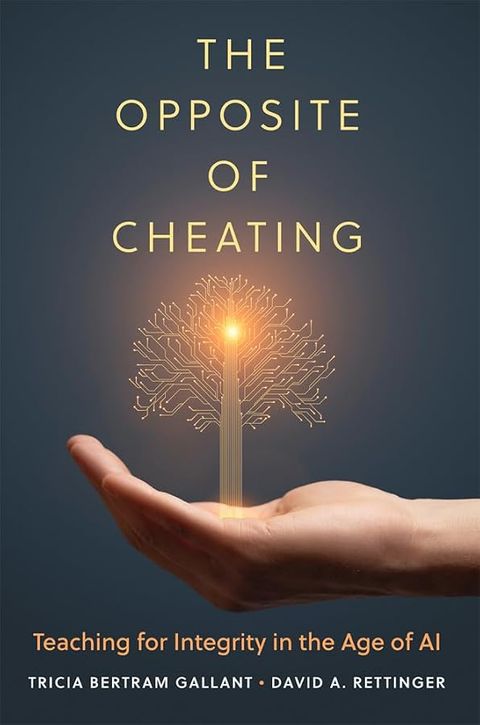
The Opposite of Cheating
A research-grounded, practical playbook for preserving academic integrity in the generative-AI era by redesigning teaching rather than policing students.
Editorial score: 74.3/100Amazon, The Opposite of Cheating (opens Amazon in a new tab) - Rank 305
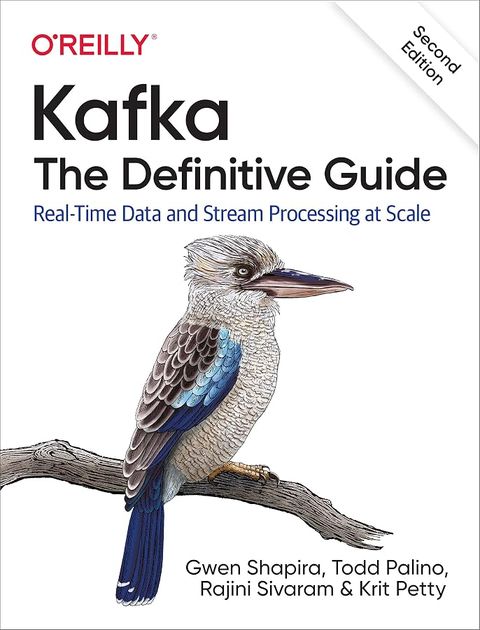
Kafka
A thorough practitioner guide to Apache Kafka by engineers who helped build it, strong on internals and reliability but predating ZooKeeper's removal.
Editorial score: 74.5/100Amazon, Kafka (opens Amazon in a new tab) - Rank 306
The Cyberiad
Lem's comic fables about two robot inventors remain among the wittiest literary explorations of what thinking machines might create, rule and suffer.
Editorial score: 78.0/100Amazon, The Cyberiad (opens Amazon in a new tab) - Rank 307
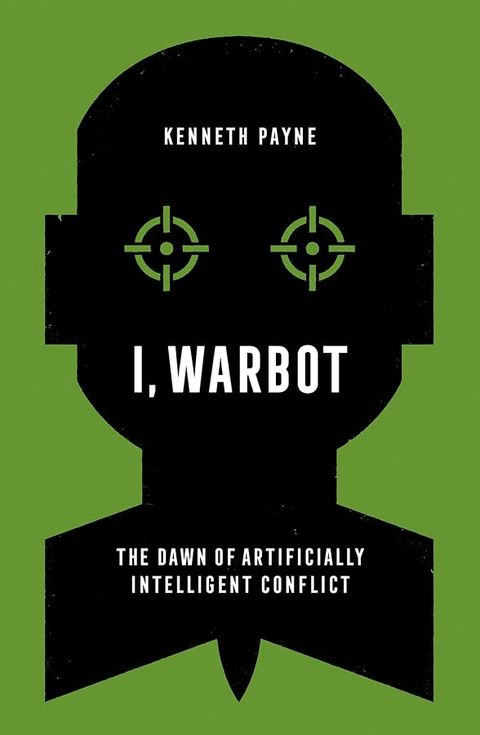
I, Warbot
A clear, thoughtful strategist's account of how AI will change warfare and why banning autonomous weapons is unlikely to succeed.
Editorial score: 69.0/100Amazon, I, Warbot (opens Amazon in a new tab) - Rank 308
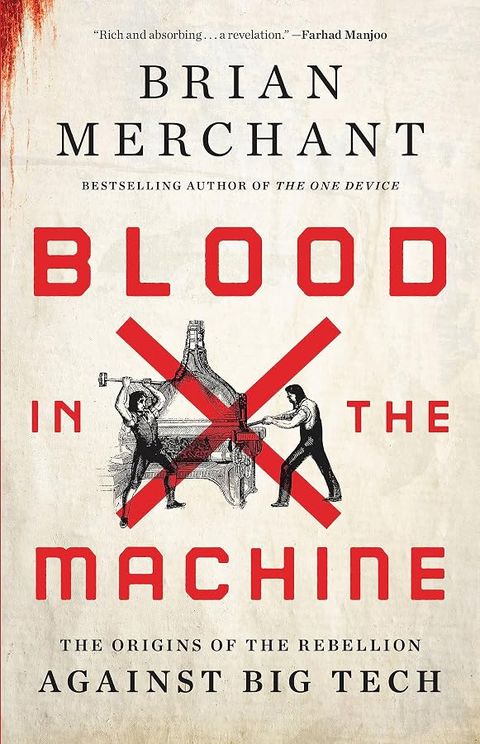
Blood in the Machine
A vivid, deeply researched history of the Luddites that reframes today's AI labor debates, argued from an openly pro-worker stance.
Editorial score: 71.5/100Amazon, Blood in the Machine (opens Amazon in a new tab) - Rank 309
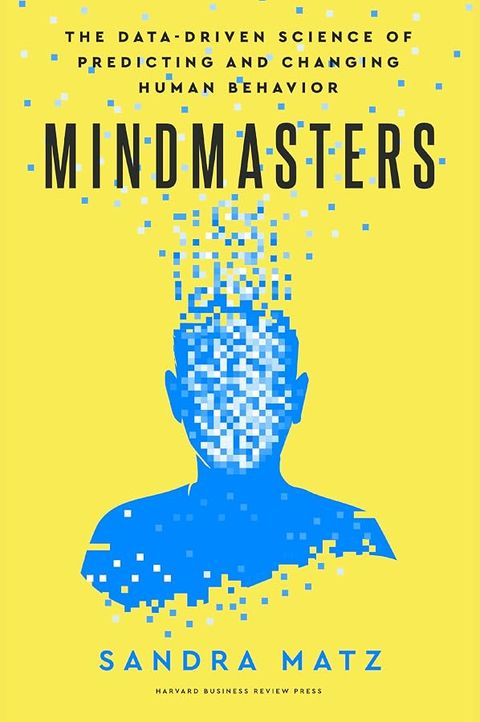
Mindmasters
A balanced, research-backed account of how algorithms read personality from digital traces, with workable proposals for keeping that power in check.
Editorial score: 71.8/100Amazon, Mindmasters (opens Amazon in a new tab) - Rank 310
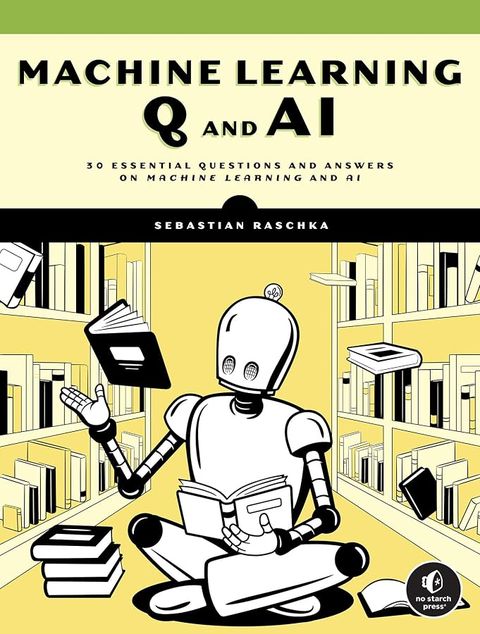
Machine Learning Q and AI
A compact, question-driven bridge from introductory courses to research papers, written by one of machine learning's clearest explainers.
Editorial score: 74.3/100Amazon, Machine Learning Q and AI (opens Amazon in a new tab) - Rank 311
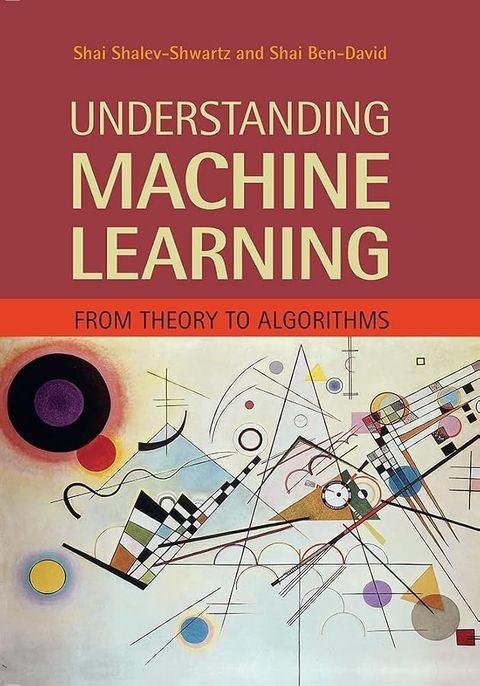
Understanding Machine Learning
A rigorous, elegantly organized introduction to learning theory that explains why algorithms generalize; demanding mathematics, but freely available and widely taught.
Editorial score: 76.5/100Amazon, Understanding Machine Learning (opens Amazon in a new tab) - Rank 312
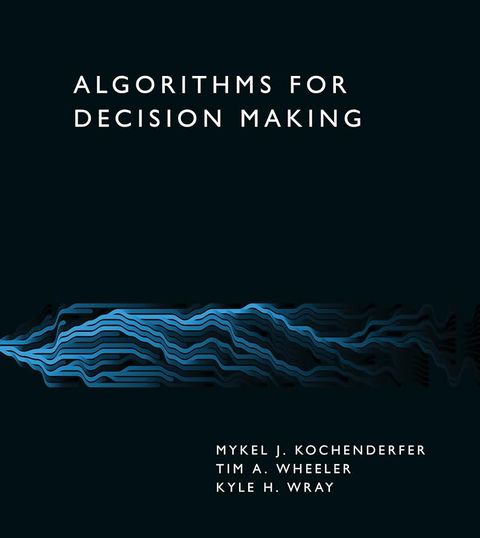
Algorithms for Decision Making
A rigorous, freely available Stanford textbook that unifies planning, reinforcement learning and multiagent reasoning under uncertainty, with working Julia code.
Editorial score: 78.0/100Amazon, Algorithms for Decision Making (opens Amazon in a new tab) - Rank 313
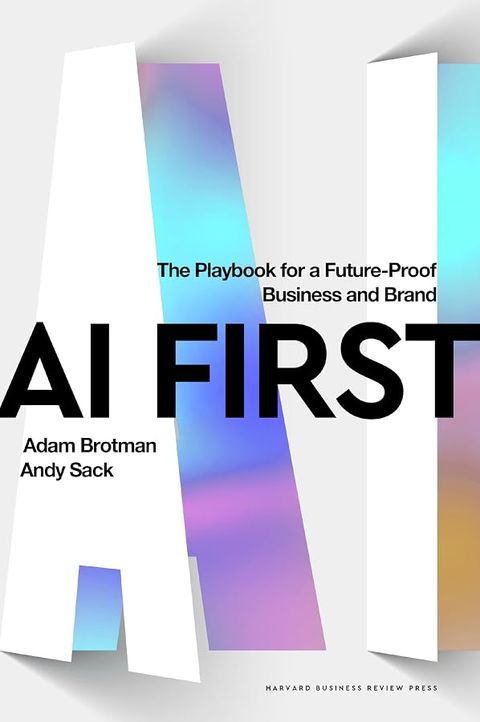
AI First
A brisk executive call to action on AI adoption, useful for its playbook and cases but light on depth and evidence.
Editorial score: 66.6/100Amazon, AI First (opens Amazon in a new tab) - Rank 314
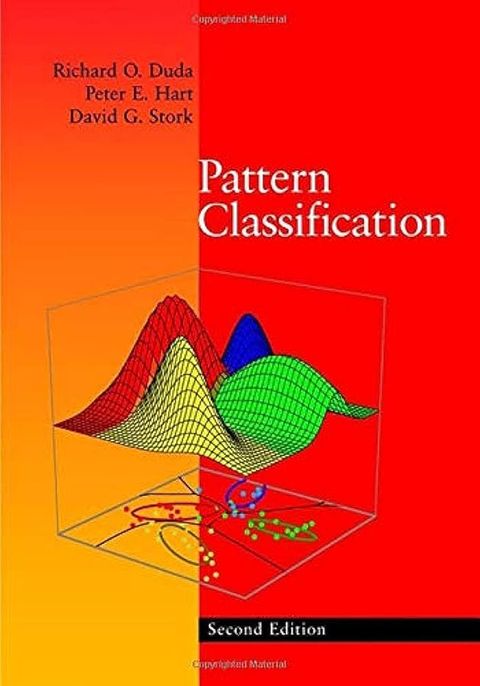
Pattern Classification
A foundational pattern-recognition textbook whose treatment of Bayesian decision theory remains clear, though its coverage stops before modern deep learning.
Editorial score: 74.5/100Amazon, Pattern Classification (opens Amazon in a new tab) - Rank 315
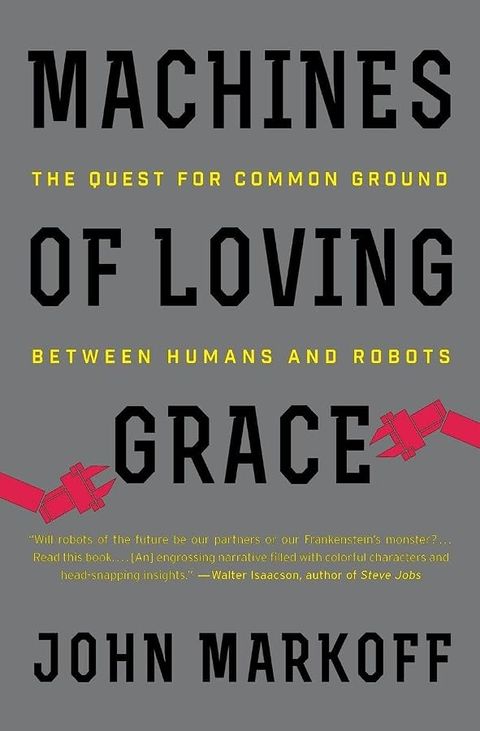
Machines of Loving Grace
A veteran reporter's well-sourced history of the split between replacing and augmenting people, valuable for its framing despite a meandering structure.
Editorial score: 63.8/100Amazon, Machines of Loving Grace (opens Amazon in a new tab) - Rank 316
The Employees
A slim, unsettling Danish novel that uses workplace testimony from humans and humanoids to ask what separates a person from a product.
Editorial score: 67.5/100Amazon, The Employees (opens Amazon in a new tab) - Rank 317
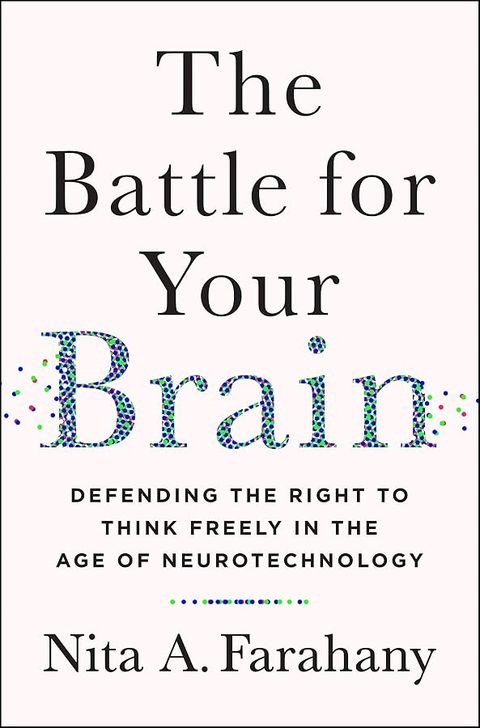
The Battle for Your Brain
A clear, evenhanded case for a legal right to cognitive liberty as AI-powered neurotechnology moves into workplaces and consumer devices.
Editorial score: 73.1/100Amazon, The Battle for Your Brain (opens Amazon in a new tab) - Rank 318
The Bicentennial Man and Other Stories
A late Asimov collection anchored by his award-winning novelette on robot personhood, uneven elsewhere but valuable for Robot-series readers.
Editorial score: 73.5/100Amazon, The Bicentennial Man and Other Stories (opens Amazon in a new tab) - Rank 319
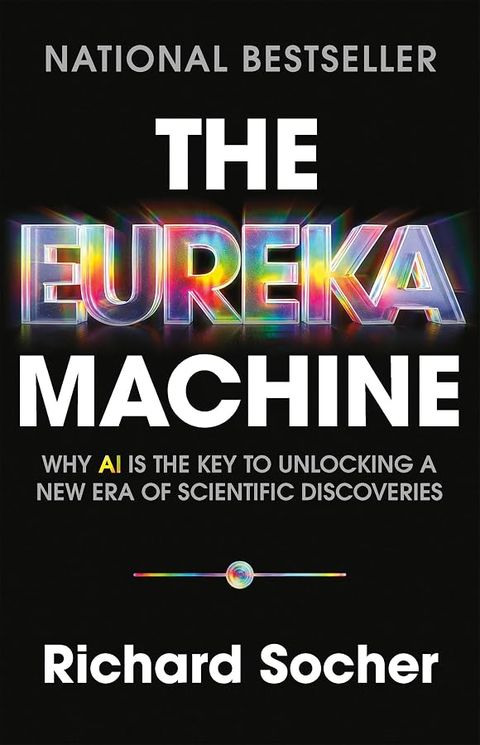
The Eureka Machine
An informed insider's case that AI will accelerate scientific discovery, rich in examples and unapologetically optimistic about where it leads.
Editorial score: 70.0/100Amazon, The Eureka Machine (opens Amazon in a new tab) - Rank 320
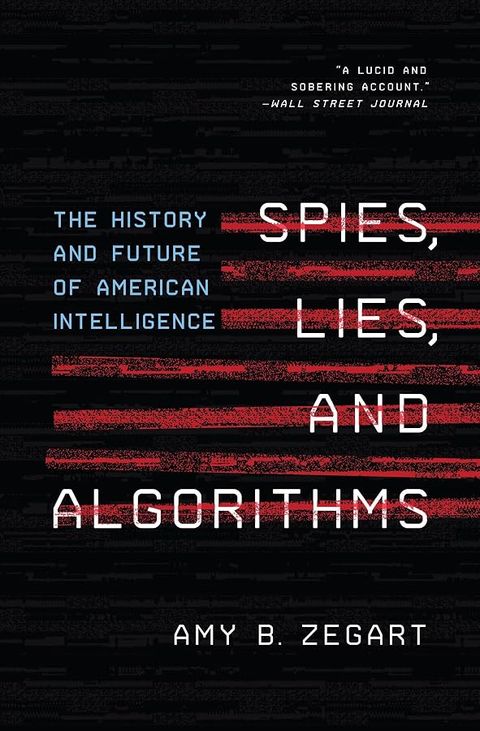
Spies, Lies, and Algorithms
A clear, well-sourced primer on American intelligence that shows how open-source data, cyber threats and AI are reshaping spying.
Editorial score: 71.6/100Amazon, Spies, Lies, and Algorithms (opens Amazon in a new tab) - Rank 321
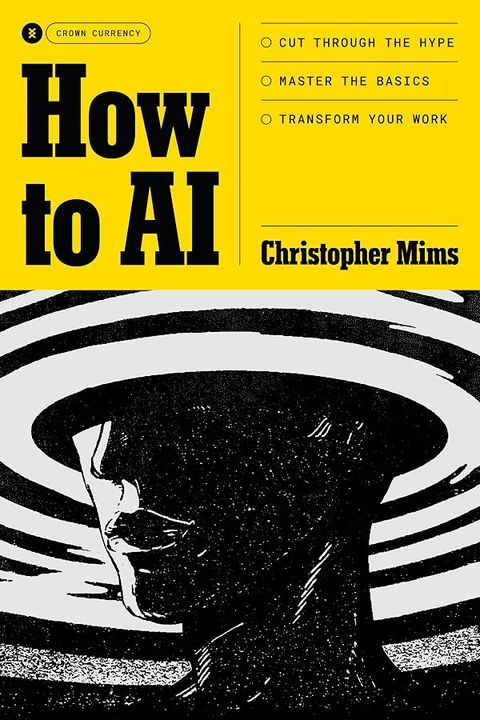
How To AI
A clear, skeptical field guide that teaches working professionals what AI does well, where it fails, and how to check it.
Editorial score: 72.0/100Amazon, How To AI (opens Amazon in a new tab) - Rank 322
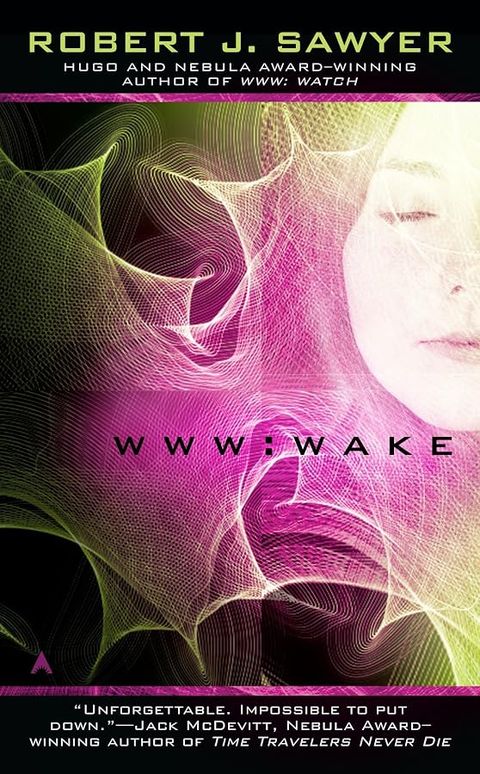
Wake
A warm, idea-driven novel about a blind teenager and an emerging web consciousness, more interested in cooperation than in robot apocalypse.
Editorial score: 66.6/100Amazon, Wake (opens Amazon in a new tab) - Rank 323
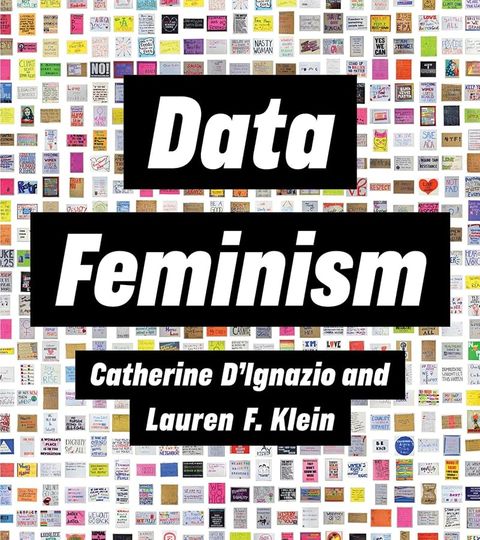
Data Feminism
A clear, principle-driven argument that data science encodes power, offering practitioners an intersectional feminist framework for doing it differently.
Editorial score: 70.3/100Amazon, Data Feminism (opens Amazon in a new tab) - Rank 324
The Computer and the Brain
A brief, unfinished classic in which a founder of modern computing weighs brains against machines; valuable history, dated on specifics.
Editorial score: 70.8/100Amazon, The Computer and the Brain (opens Amazon in a new tab) - Rank 325
The Skill Code
A research-grounded warning that AI and robots are quietly eroding how people build expertise, paired with practical remedies for managers.
Editorial score: 71.3/100Amazon, The Skill Code (opens Amazon in a new tab) - Rank 326
The Algorithm
A carefully reported investigation showing that many AI hiring and workplace-monitoring tools rest on weak science and can discriminate.
Editorial score: 73.1/100Amazon, The Algorithm (opens Amazon in a new tab) - Rank 327
Privacy Is Power
A forceful philosophical argument that personal data is a source of power, paired with concrete proposals to end its trade.
Editorial score: 74.3/100Amazon, Privacy Is Power (opens Amazon in a new tab) - Rank 328
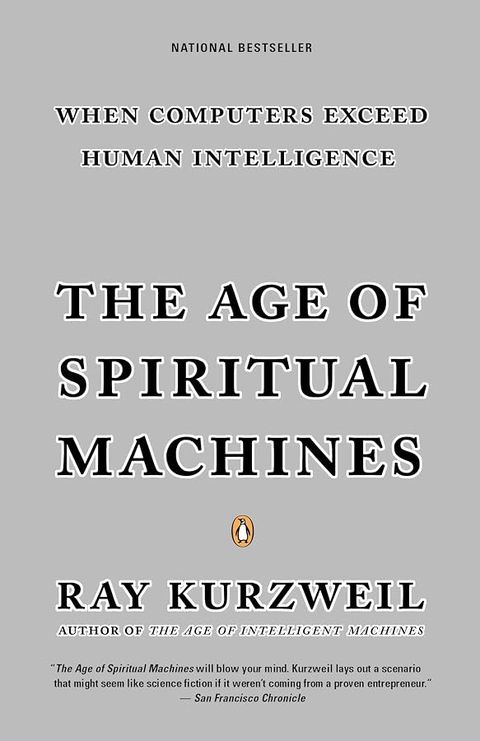
The Age of Spiritual Machines
Kurzweil's 1999 forecast of machines rivaling human minds remains historically important, though independent graders found fewer than half its 2009 predictions accurate.
Editorial score: 66.1/100Amazon, The Age of Spiritual Machines (opens Amazon in a new tab) - Rank 329
The Dream Machine
The standard biography of J.C.R. Licklider and a detailed history of how interactive, networked computing was imagined and funded.
Editorial score: 71.5/100Amazon, The Dream Machine (opens Amazon in a new tab) - Rank 330
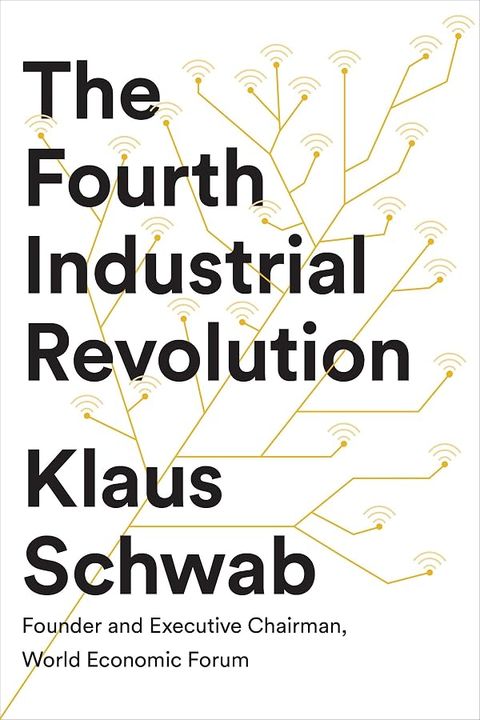
The Fourth Industrial Revolution
A brief, influential framing essay from the World Economic Forum's founder, valuable for its vocabulary more than for concrete guidance.
Editorial score: 65.8/100Amazon, The Fourth Industrial Revolution (opens Amazon in a new tab) - Rank 331
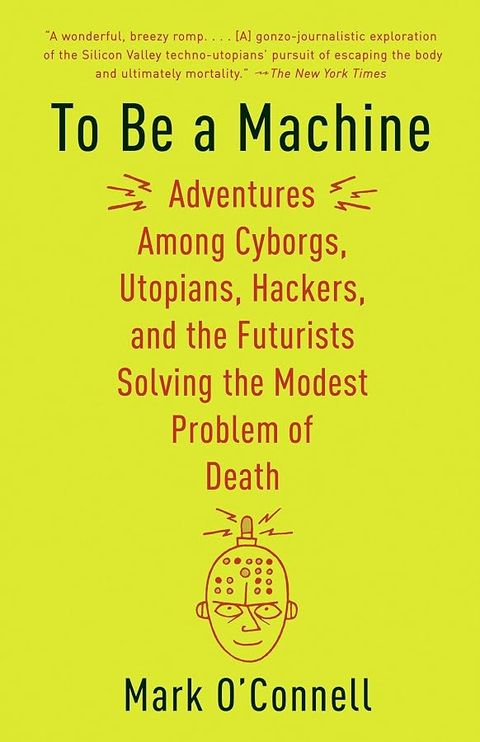
To Be a Machine
A witty, skeptical work of literary journalism showing how hopes and fears about superintelligence grew within the movement to defeat death.
Editorial score: 66.3/100Amazon, To Be a Machine (opens Amazon in a new tab) - Rank 332
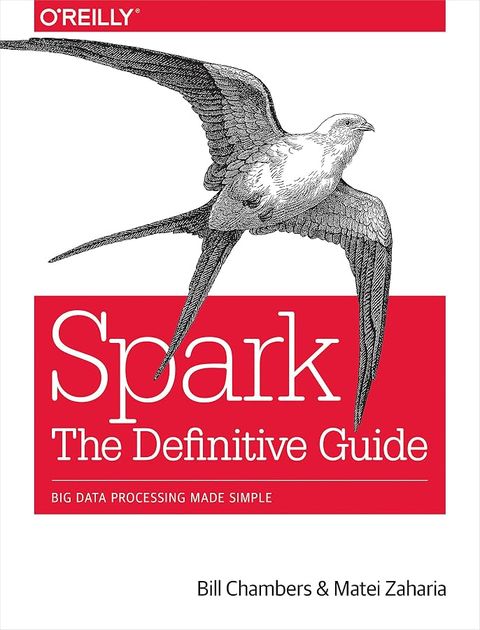
Spark
A thorough Spark 2 reference co-written by the framework's creator, strong on structured APIs and operations but predating Spark 3.0 and 4.0.
Editorial score: 72.3/100Amazon, Spark (opens Amazon in a new tab) - Rank 333
Designed for Digital
A research-backed blueprint for redesigning established companies around five building blocks that also determine whether later AI investments can scale.
Editorial score: 73.0/100Amazon, Designed for Digital (opens Amazon in a new tab) - Rank 334
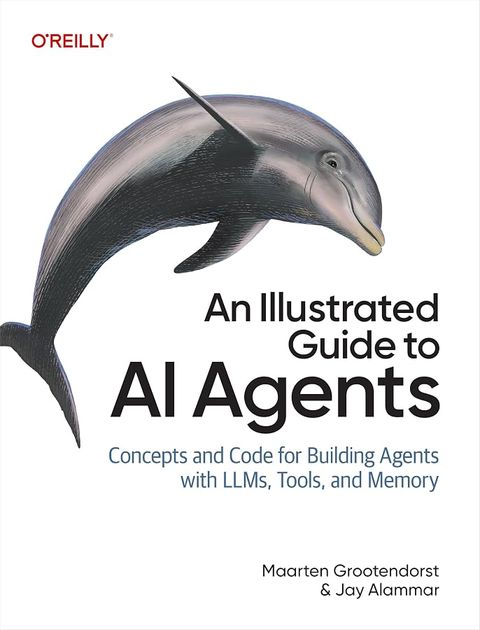
An Illustrated Guide to AI Agents
A heavily illustrated, code-backed tour of the full AI agent stack, best for engineers who want to understand what frameworks hide.
Editorial score: 75.8/100Amazon, An Illustrated Guide to AI Agents (opens Amazon in a new tab) - Rank 335
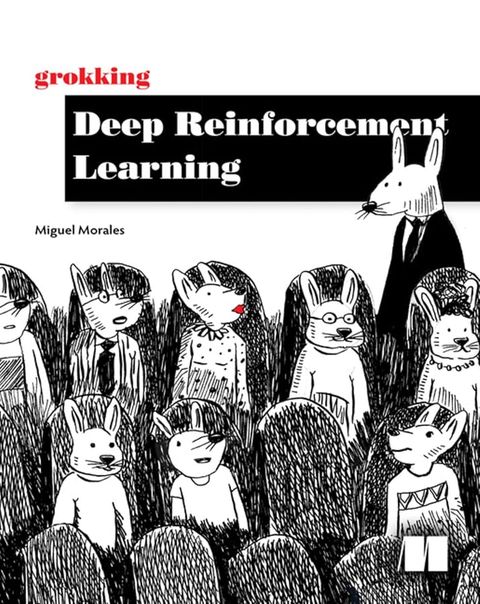
Grokking Deep Reinforcement Learning
A patient, code-first introduction to deep reinforcement learning that builds from bandits and MDPs to PPO and soft actor-critic.
Editorial score: 65.3/100Amazon, Grokking Deep Reinforcement Learning (opens Amazon in a new tab) - Rank 336
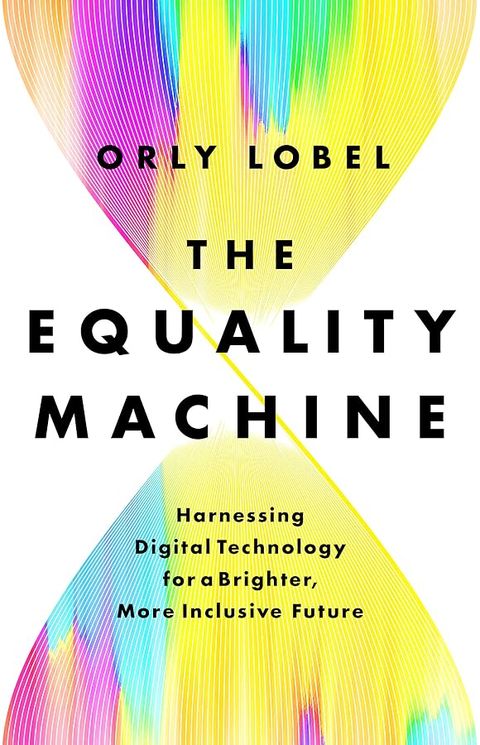
The Equality Machine
A law scholar's well-argued case that AI can detect and reduce discrimination, a useful counterweight to purely critical books on algorithmic bias.
Editorial score: 66.1/100Amazon, The Equality Machine (opens Amazon in a new tab) - Rank 337
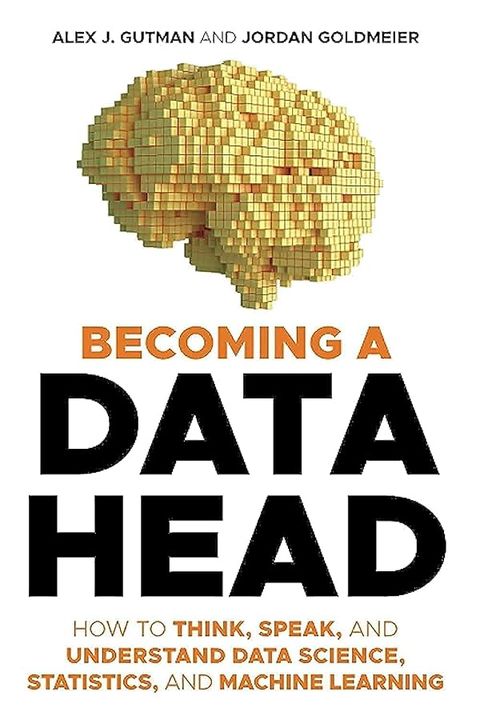
Becoming a Data Head
A clear, practical data-literacy primer that equips nontechnical professionals to question statistics, models and machine-learning claims at work.
Editorial score: 70.1/100Amazon, Becoming a Data Head (opens Amazon in a new tab) - Rank 338
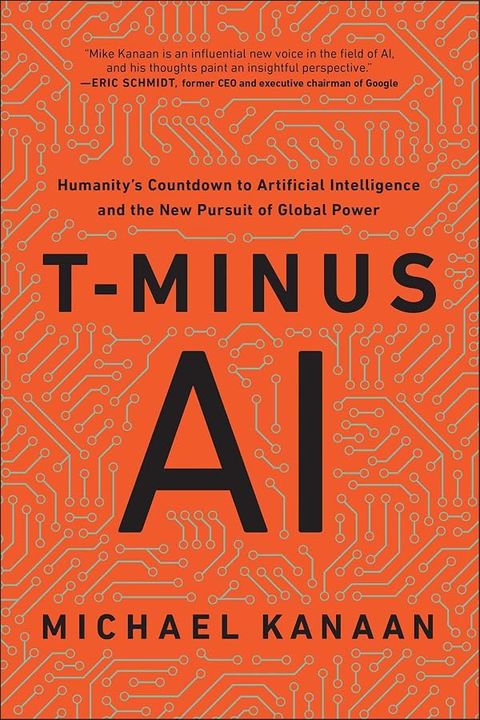
T-Minus AI
An accessible primer from a former Air Force AI leader, linking how AI works to the US-China-Russia contest for power.
Editorial score: 56.6/100Amazon, T-Minus AI (opens Amazon in a new tab) - Rank 339
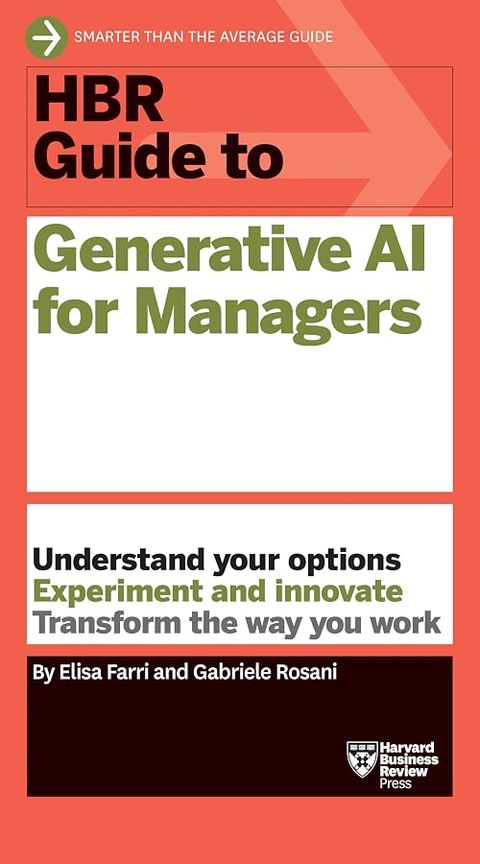
HBR Guide to Generative AI for Managers
A practical, prompt-rich field manual that shows managers how to use generative AI as both an assistant and a thinking partner.
Editorial score: 67.3/100Amazon, HBR Guide to Generative AI for Managers (opens Amazon in a new tab) - Rank 340
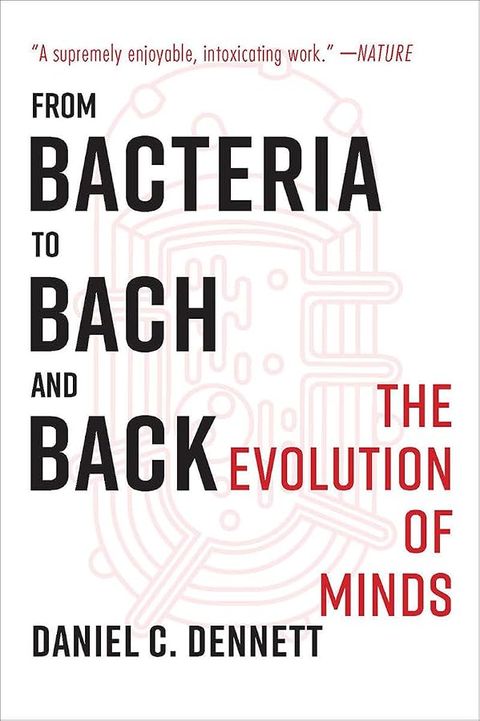
From Bacteria to Bach and Back
Dennett's capstone account of how minds evolved from mindless processes, demanding but rewarding for anyone thinking about machine intelligence.
Editorial score: 71.5/100Amazon, From Bacteria to Bach and Back (opens Amazon in a new tab) - Rank 341
Designing Multi-Agent Systems
A practical, framework-neutral guide to building, evaluating and operating multi-agent LLM applications, taught by building a working framework from scratch.
Editorial score: 72.6/100Amazon, Designing Multi-Agent Systems (opens Amazon in a new tab) - Rank 342
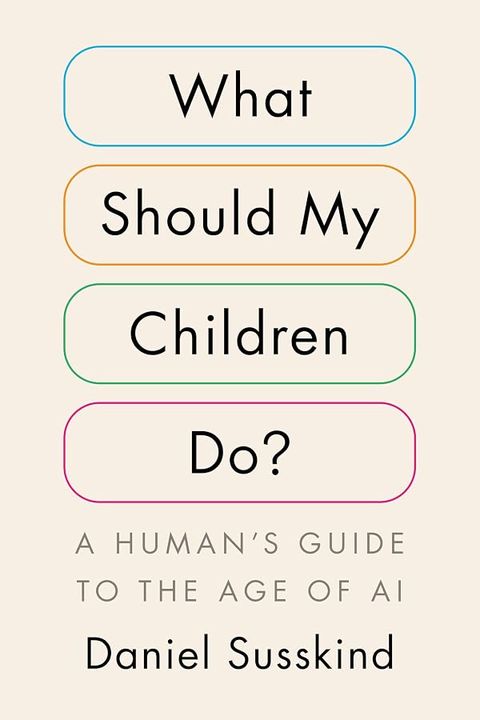
What Should My Children Do?
A level-headed, practical guide from a leading economist of work on preparing children for an AI-shaped labor market.
Editorial score: 74.5/100Amazon, What Should My Children Do? (opens Amazon in a new tab) - Rank 343
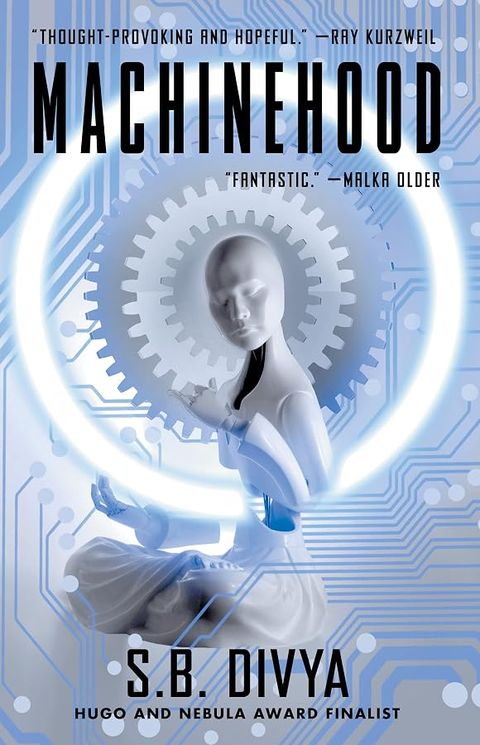
Machinehood
A fast, idea-dense thriller that uses a near-future gig economy to ask whether machine intelligences deserve the rights human workers demand.
Editorial score: 64.1/100Amazon, Machinehood (opens Amazon in a new tab) - Rank 344
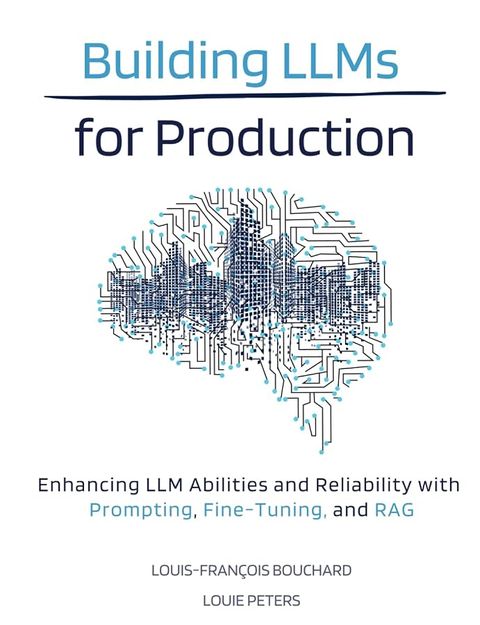
Building LLMs for Production
A broad, code-heavy practitioner guide to prompting, RAG and fine-tuning, useful for developers moving LLM prototypes toward production.
Editorial score: 65.3/100Amazon, Building LLMs for Production (opens Amazon in a new tab) - Rank 345
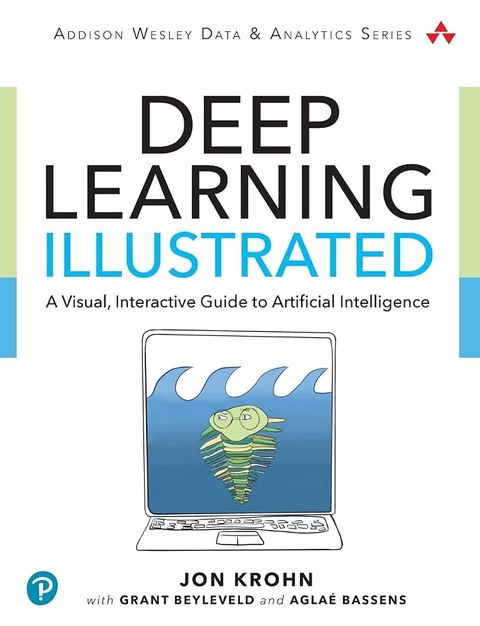
Deep Learning Illustrated
A friendly, code-first tour of deep learning's major architectures, now dated on transformers but still effective for building intuition.
Editorial score: 68.0/100Amazon, Deep Learning Illustrated (opens Amazon in a new tab) - Rank 346
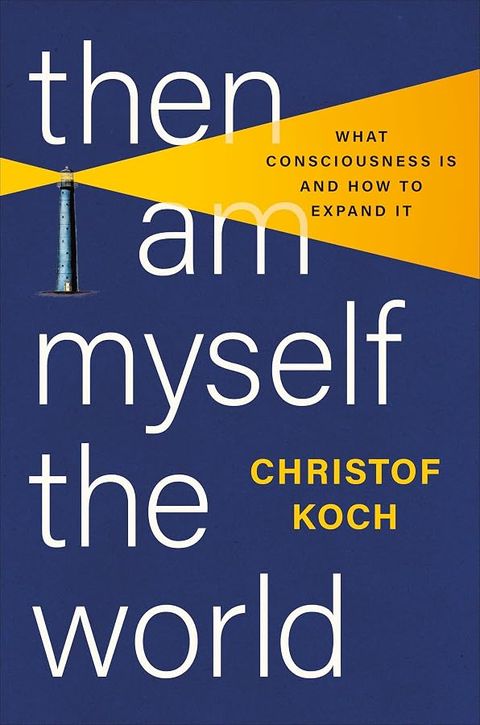
Then I Am Myself the World
A leading consciousness scientist's most personal book, persuasive on medicine and machines but demanding wherever integrated information theory takes center stage.
Editorial score: 70.0/100Amazon, Then I Am Myself the World (opens Amazon in a new tab) - Rank 347
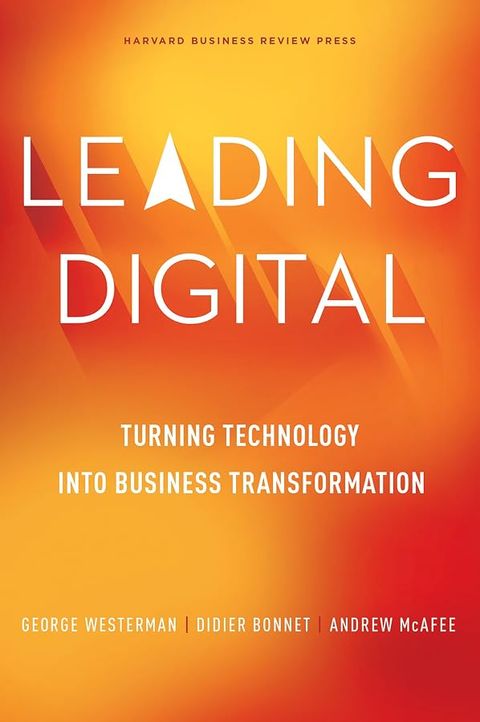
Leading Digital
A rigorous, still-useful playbook for incumbent firms on leading technology-driven transformation, though its examples predate the current AI wave.
Editorial score: 72.5/100Amazon, Leading Digital (opens Amazon in a new tab) - Rank 348
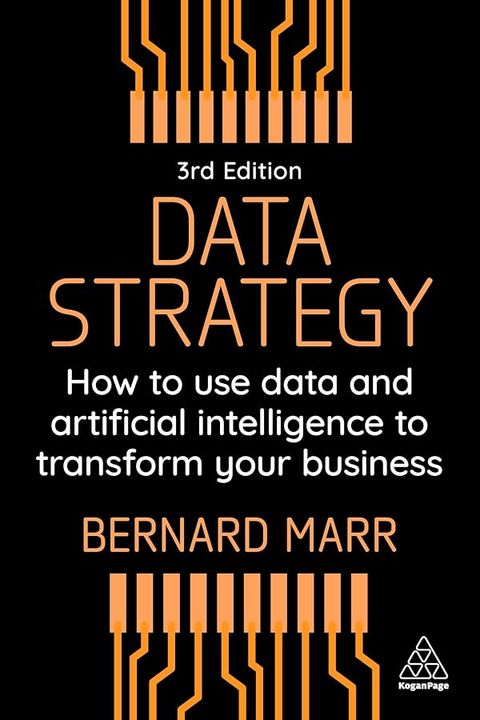
Data Strategy
A business-first framework for turning data and AI into measurable value, broad rather than deep, and best in its updated third edition.
Editorial score: 66.8/100Amazon, Data Strategy (opens Amazon in a new tab) - Rank 349
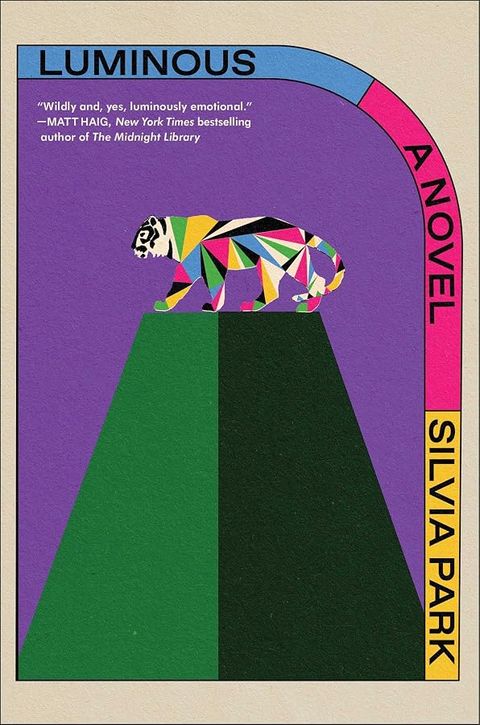
Luminous
An award-winning debut that uses a family of humans and robots in a reunified Korea to probe personhood, memory and grief.
Editorial score: 71.1/100Amazon, Luminous (opens Amazon in a new tab) - Rank 350
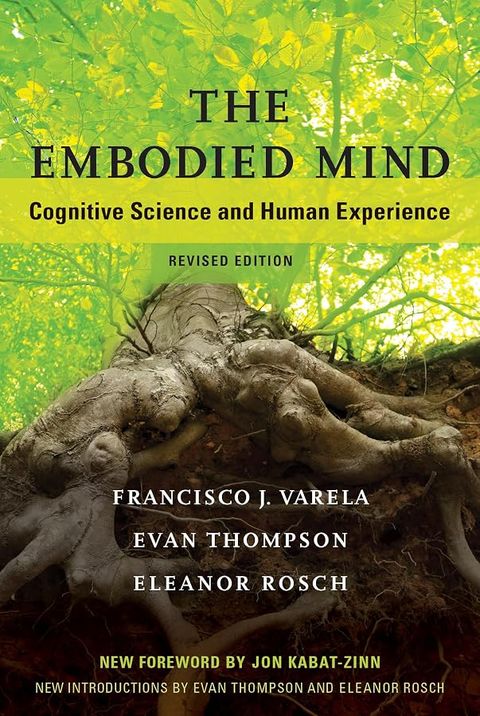
The Embodied Mind
A demanding, field-founding argument that cognition is embodied action rather than computation, essential background for anyone questioning AI's representational assumptions.
Editorial score: 73.0/100Amazon, The Embodied Mind (opens Amazon in a new tab) - Rank 351
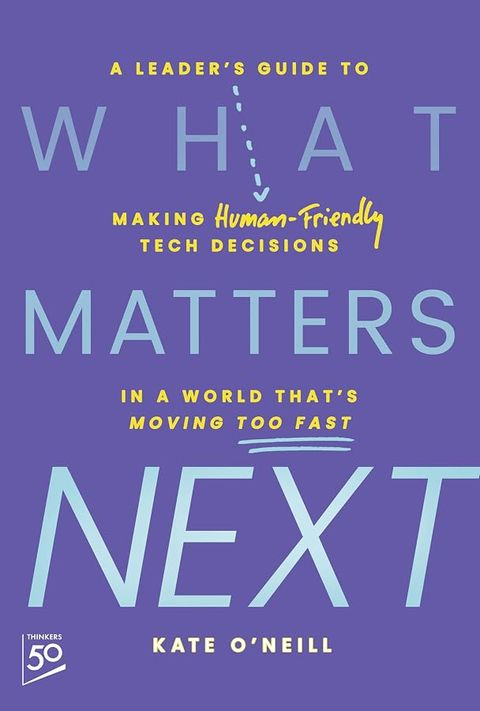
What Matters Next
A thoughtful decision framework for leaders adopting AI and emerging tech, stronger on mindset and values than on implementation detail.
Editorial score: 68.8/100Amazon, What Matters Next (opens Amazon in a new tab) - Rank 352
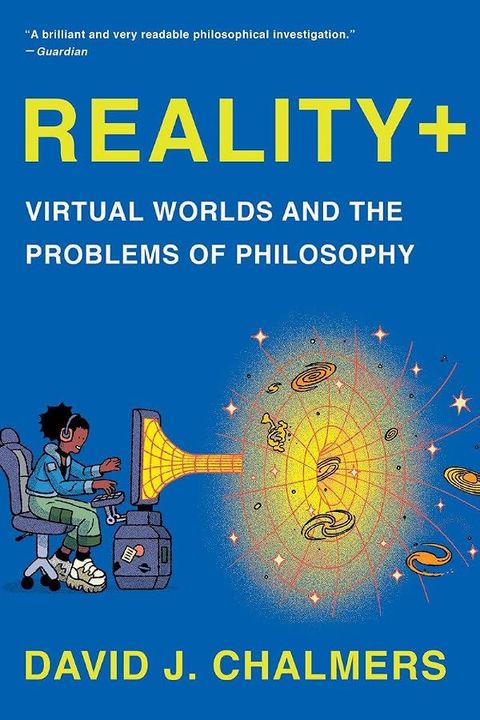
Reality+
A lucid, ambitious work of technophilosophy arguing that virtual worlds are real, and a strong entry point to philosophy of mind.
Editorial score: 74.0/100Amazon, Reality+ (opens Amazon in a new tab) - Rank 353
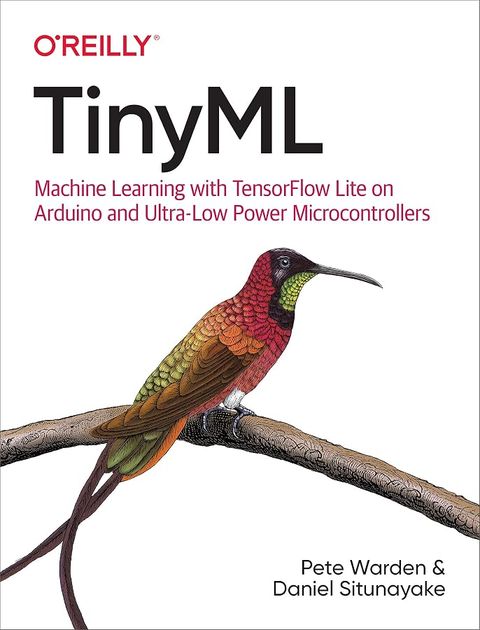
TinyML
The founding practical text for running machine learning on microcontrollers, valuable for its projects though its toolchain details have aged.
Editorial score: 74.5/100Amazon, TinyML (opens Amazon in a new tab) - Rank 354
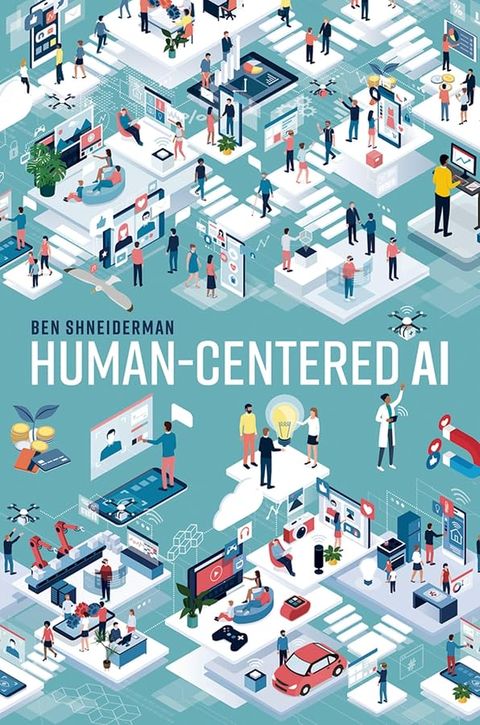
Human-Centered AI
An influential HCI pioneer's case that AI should amplify people rather than replace them, rich in frameworks but light on implementation detail.
Editorial score: 74.8/100Amazon, Human-Centered AI (opens Amazon in a new tab) - Rank 355
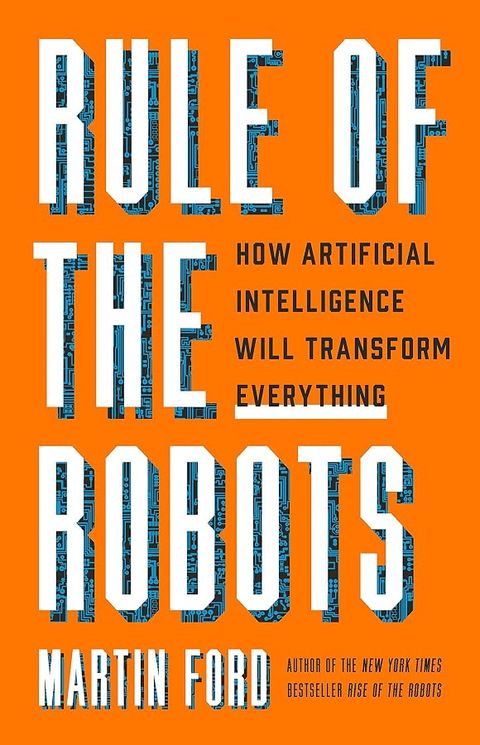
Rule of the Robots
A balanced, readable survey of AI's economic and social stakes, strongest on China and self-driving cars, though written before ChatGPT.
Editorial score: 64.5/100Amazon, Rule of the Robots (opens Amazon in a new tab) - Rank 356
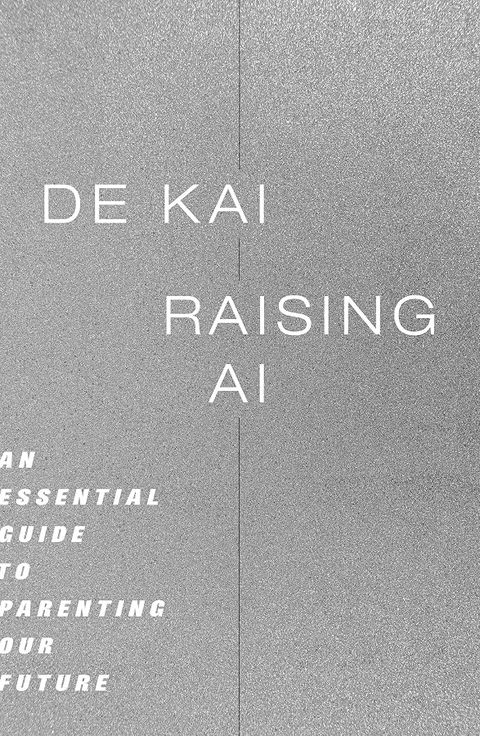
Raising AI
A warm, accessible reframing of AI as society's offspring, stronger at diagnosing algorithmic influence than at prescribing enforceable remedies.
Editorial score: 67.1/100Amazon, Raising AI (opens Amazon in a new tab) - Rank 357
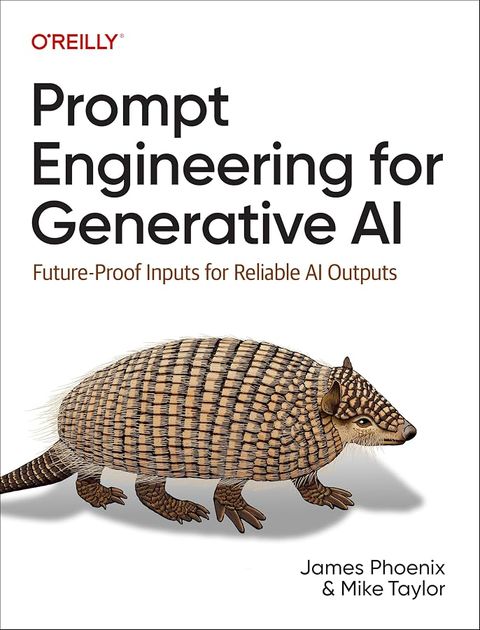
Prompt Engineering for Generative AI
A practical, code-heavy guide whose five prompting principles have aged well, even as its LangChain examples show their 2024 vintage.
Editorial score: 68.6/100Amazon, Prompt Engineering for Generative AI (opens Amazon in a new tab) - Rank 358
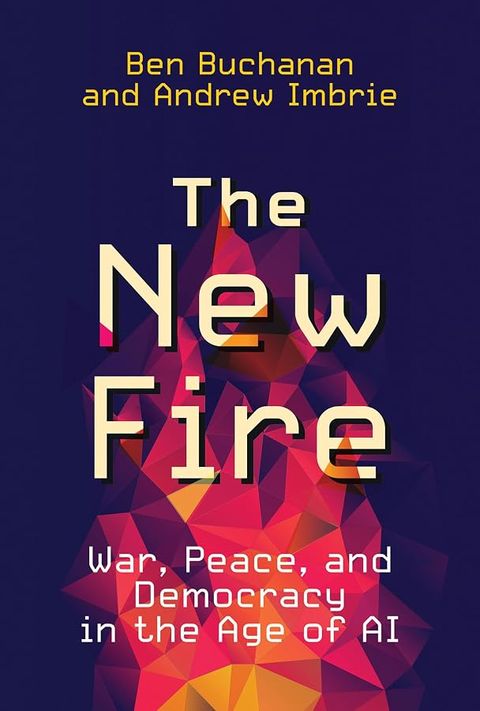
The New Fire
A balanced, well-informed account of how AI reshapes military power, cyber conflict and disinformation, written before its authors entered government.
Editorial score: 71.8/100Amazon, The New Fire (opens Amazon in a new tab) - Rank 359
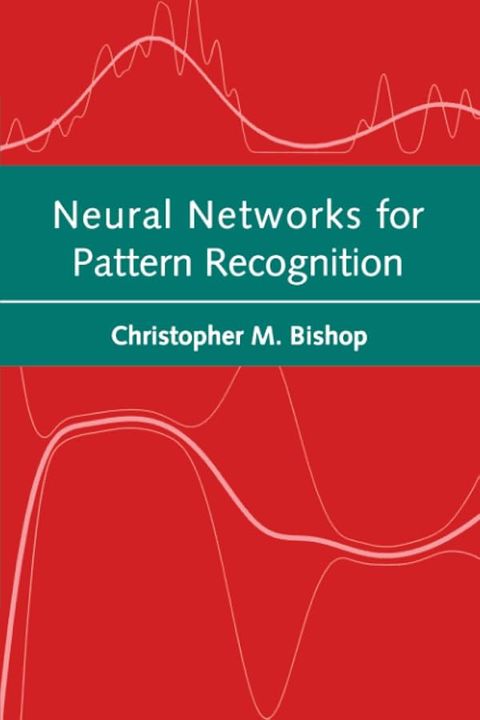
Neural Networks for Pattern Recognition
The rigorous 1990s textbook that recast neural networks as statistical models, now valuable mainly for foundations and history.
Editorial score: 68.0/100Amazon, Neural Networks for Pattern Recognition (opens Amazon in a new tab) - Rank 360
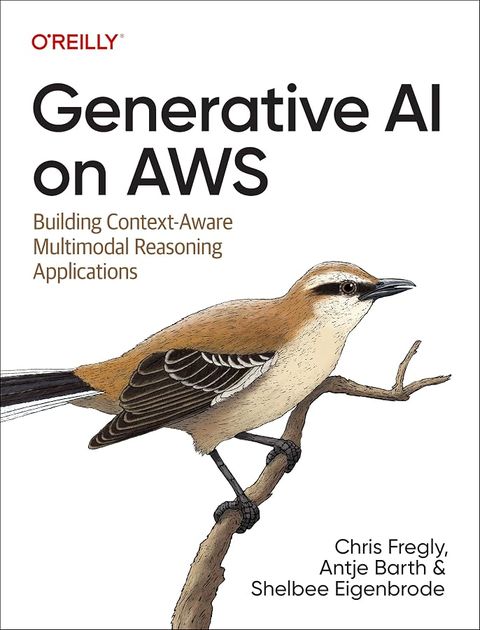
Generative AI on AWS
A solid practitioner's tour of the 2023 foundation-model lifecycle on AWS, valuable for fundamentals though its service details age quickly.
Editorial score: 68.6/100Amazon, Generative AI on AWS (opens Amazon in a new tab) - Rank 361
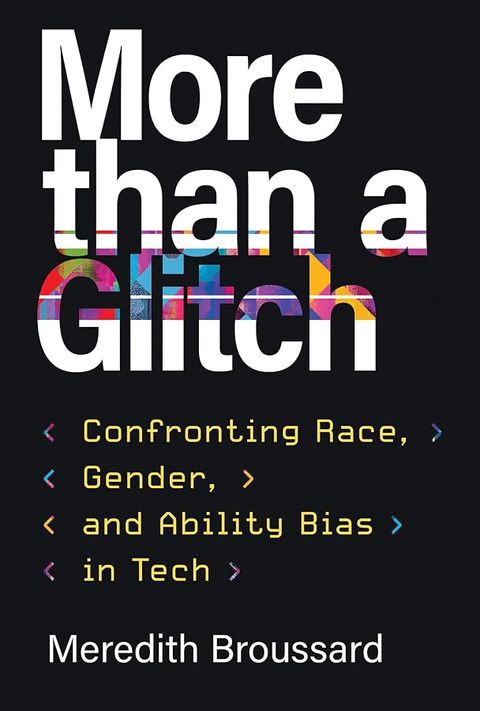
More than a Glitch
An accessible, well-argued case that algorithmic bias is structural, not accidental, and that automated systems need ongoing audits.
Editorial score: 69.5/100Amazon, More than a Glitch (opens Amazon in a new tab) - Rank 362
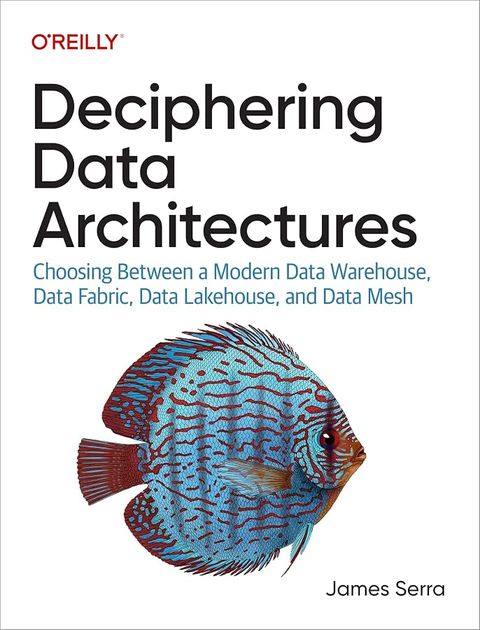
Deciphering Data Architectures
A clear, vendor-neutral guide for choosing among warehouse, lakehouse, fabric and mesh architectures, strongest when it separates hype from practice.
Editorial score: 70.3/100Amazon, Deciphering Data Architectures (opens Amazon in a new tab) - Rank 363
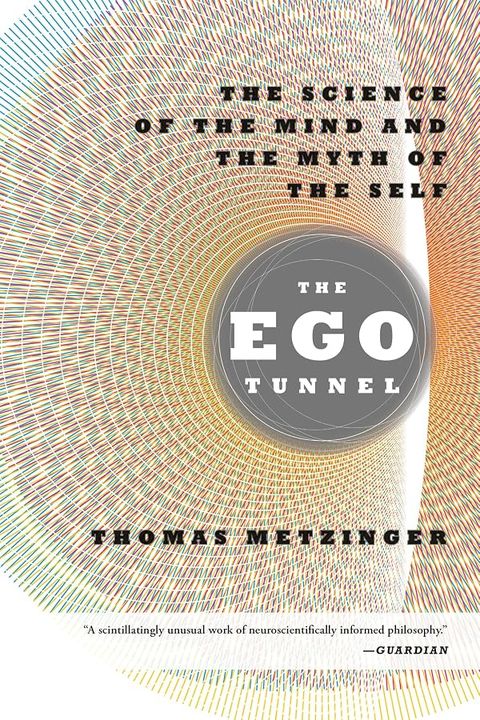
The Ego Tunnel
A demanding but rewarding argument that the self is a brain-generated model, with early warnings about building artificial subjects.
Editorial score: 71.8/100Amazon, The Ego Tunnel (opens Amazon in a new tab) - Rank 364
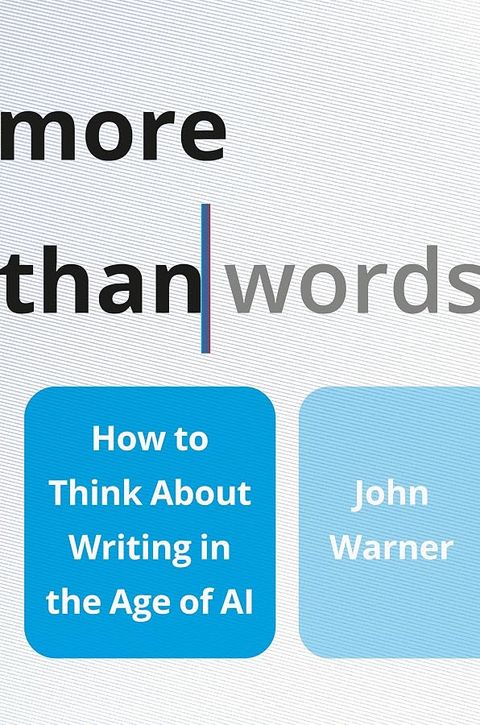
More Than Words
A persuasive teacher's case that writing is thinking, valuable for educators weighing AI, though lighter on concrete classroom alternatives.
Editorial score: 69.3/100Amazon, More Than Words (opens Amazon in a new tab) - Rank 365
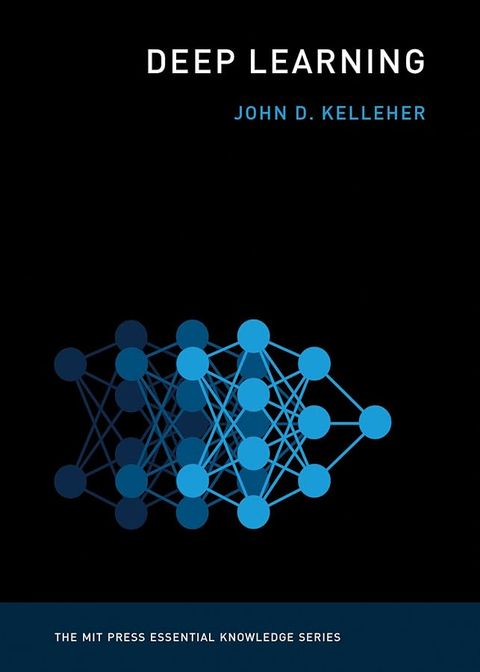
Deep Learning
A clear, compact primer that explains how neural networks learn, best suited to readers who want concepts rather than code.
Editorial score: 62.8/100Amazon, Deep Learning (opens Amazon in a new tab) - Rank 366
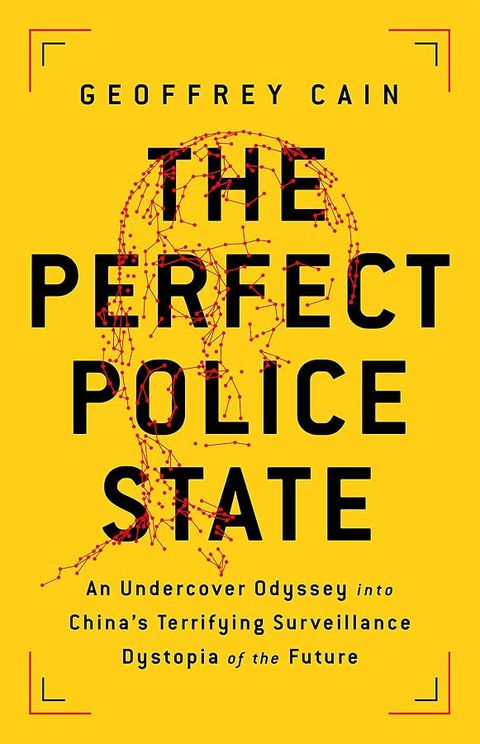
The Perfect Police State
A gripping, deeply reported account of AI-enabled surveillance in Xinjiang, strongest on human testimony and the companies behind the system.
Editorial score: 68.0/100Amazon, The Perfect Police State (opens Amazon in a new tab) - Rank 367
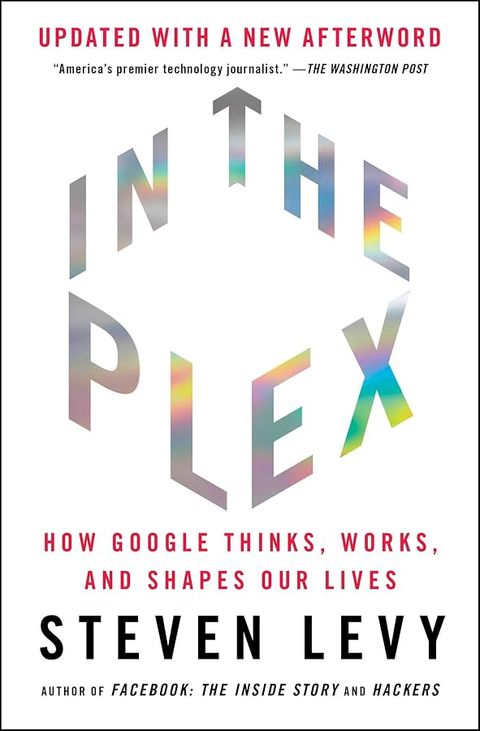
In the Plex
The most thorough inside account of Google's first decade, showing founders who saw their search engine as an AI project.
Editorial score: 68.5/100Amazon, In the Plex (opens Amazon in a new tab) - Rank 368
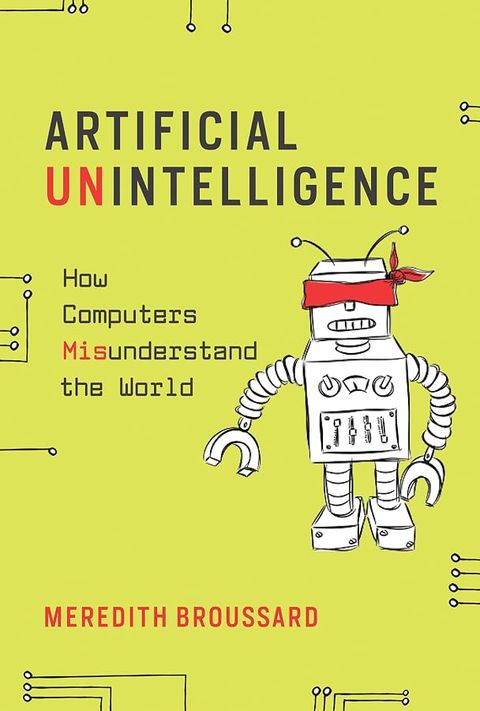
Artificial Unintelligence
A sharp, readable corrective to tech optimism that popularized the term technochauvinism, though its examples predate generative AI.
Editorial score: 69.6/100Amazon, Artificial Unintelligence (opens Amazon in a new tab) - Rank 369
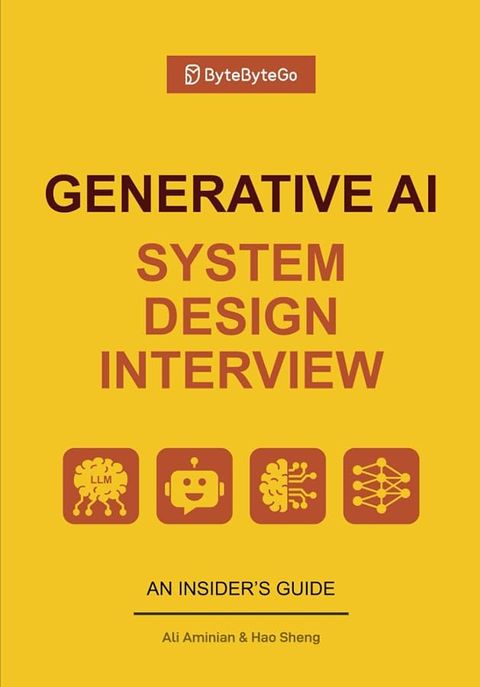
Generative AI System Design Interview
A structured, diagram-rich interview guide to designing generative AI systems, useful as a foundation but light on agents and production operations.
Editorial score: 69.8/100Amazon, Generative AI System Design Interview (opens Amazon in a new tab) - Rank 370
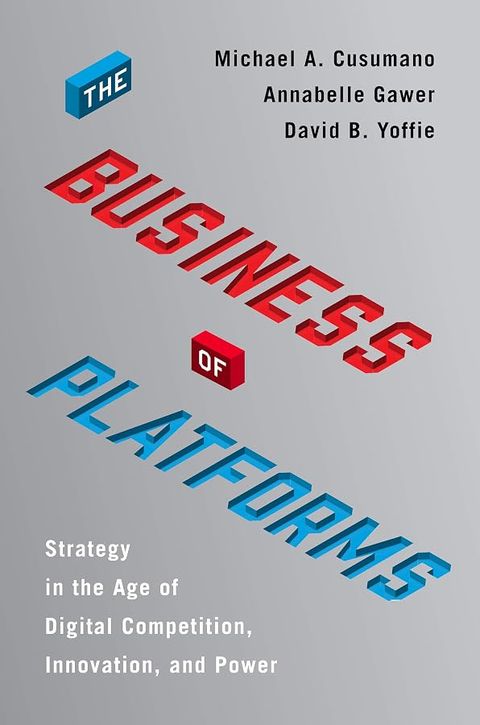
The Business of Platforms
A data-backed strategy guide to how platform companies win, fail and attract regulators, written by three leading scholars.
Editorial score: 72.1/100Amazon, The Business of Platforms (opens Amazon in a new tab) - Rank 371
Saturn's Children
A clever space opera that uses a robot heroine to ask what machines built to serve become once their makers are gone.
Editorial score: 64.6/100Amazon, Saturn's Children (opens Amazon in a new tab) - Rank 372
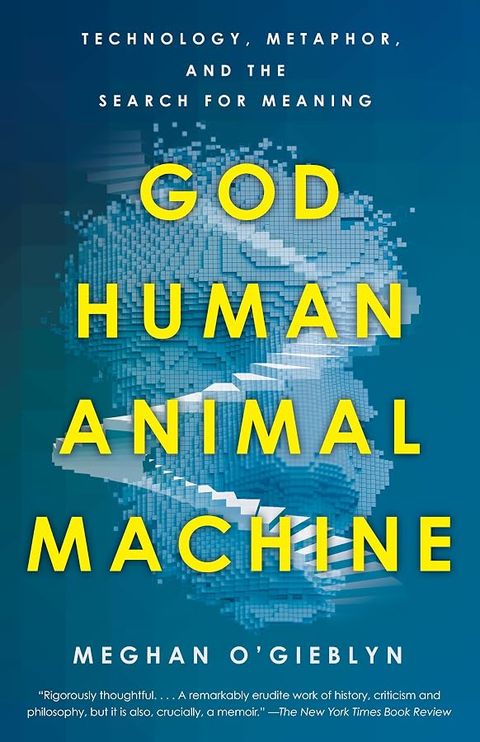
God, Human, Animal, Machine
A searching, finely written book-length essay that reads AI through theology and philosophy, rewarding reflection rather than practical planning.
Editorial score: 66.3/100Amazon, God, Human, Animal, Machine (opens Amazon in a new tab) - Rank 373
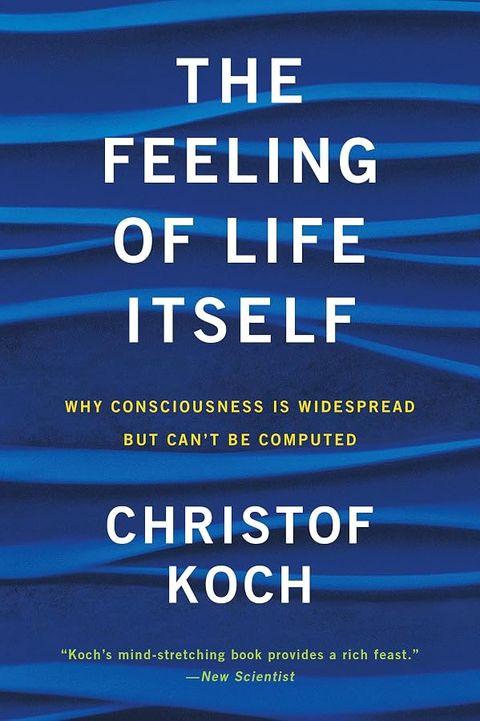
The Feeling of Life Itself
A leading neuroscientist's lucid case for integrated information theory and for why digital computers, however intelligent, will not be conscious.
Editorial score: 73.3/100Amazon, The Feeling of Life Itself (opens Amazon in a new tab) - Rank 374
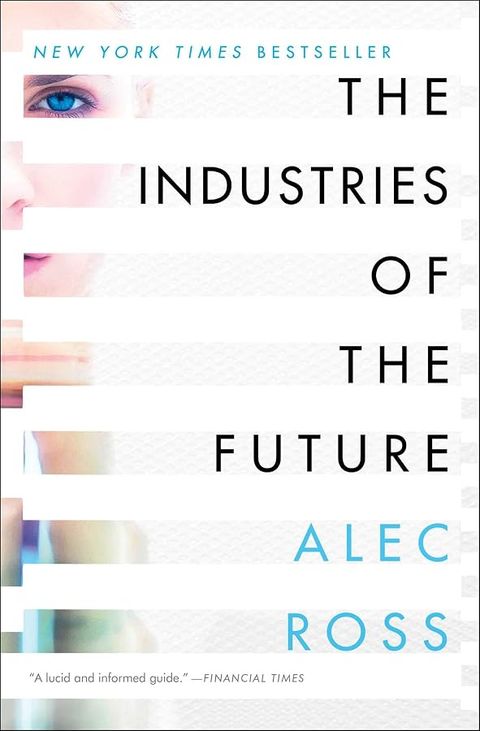
The Industries of the Future
A readable 2016 survey of robotics, genomics, digital money, cybersecurity and data, now more useful as a snapshot than a forecast.
Editorial score: 59.1/100Amazon, The Industries of the Future (opens Amazon in a new tab) - Rank 375
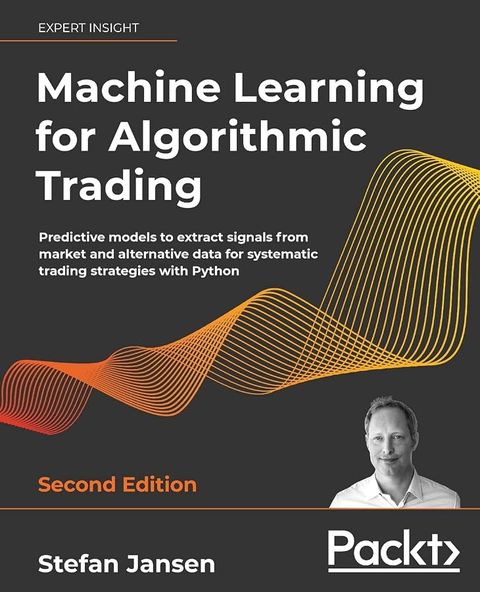
Machine Learning for Algorithmic Trading
An encyclopedic, code-heavy reference for applying ML to trading, though its 2026 third edition now supersedes this 2020 text.
Editorial score: 64.3/100Amazon, Machine Learning for Algorithmic Trading (opens Amazon in a new tab) - Rank 376
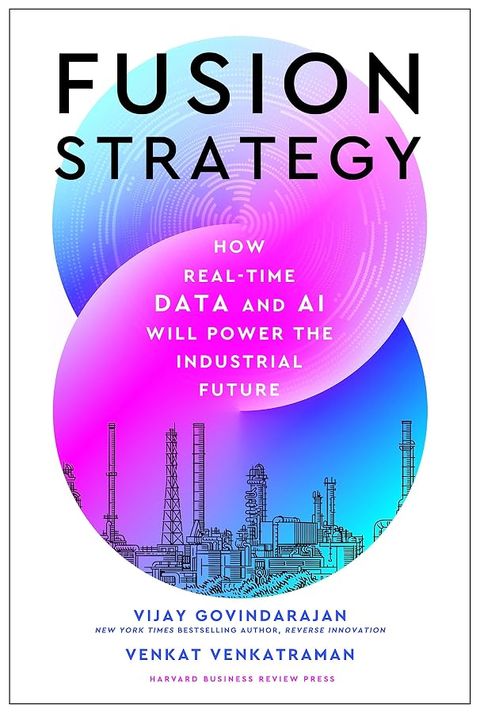
Fusion Strategy
A clear strategic framework for manufacturers adding real-time data and AI to physical products, though its core idea is repeated often.
Editorial score: 67.1/100Amazon, Fusion Strategy (opens Amazon in a new tab) - Rank 377
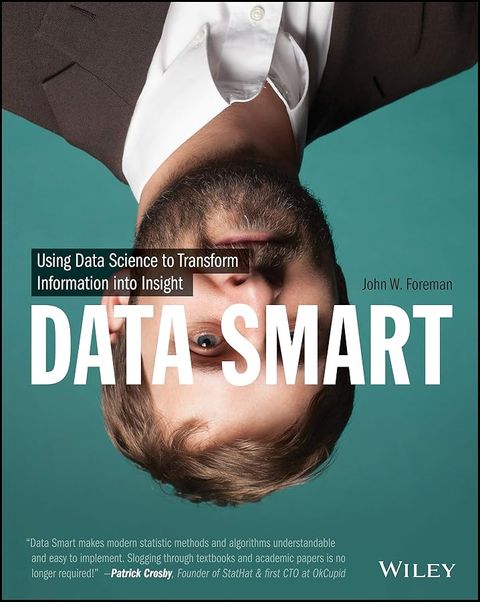
Data Smart
A witty, rigorous introduction to core data science techniques built step by step in spreadsheets, ideal for analysts who learn by doing.
Editorial score: 69.8/100Amazon, Data Smart (opens Amazon in a new tab) - Rank 378
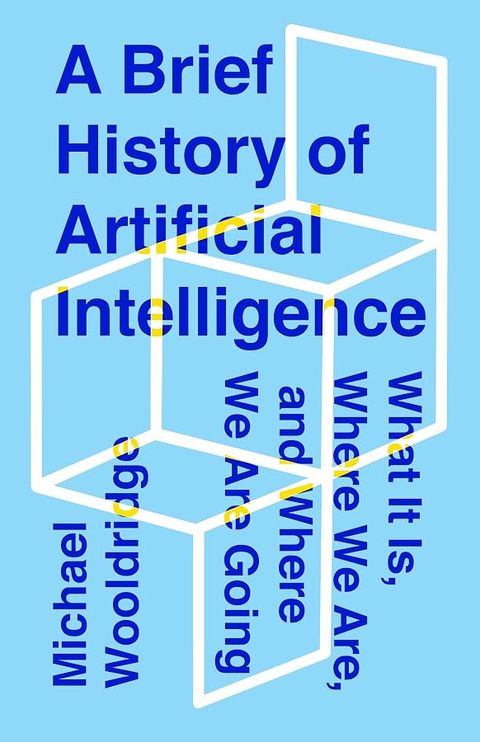
A Brief History of Artificial Intelligence
An authoritative, readable tour of AI's history from Turing to deep learning, valuable for context though written before ChatGPT.
Editorial score: 69.1/100Amazon, A Brief History of Artificial Intelligence (opens Amazon in a new tab) - Rank 379
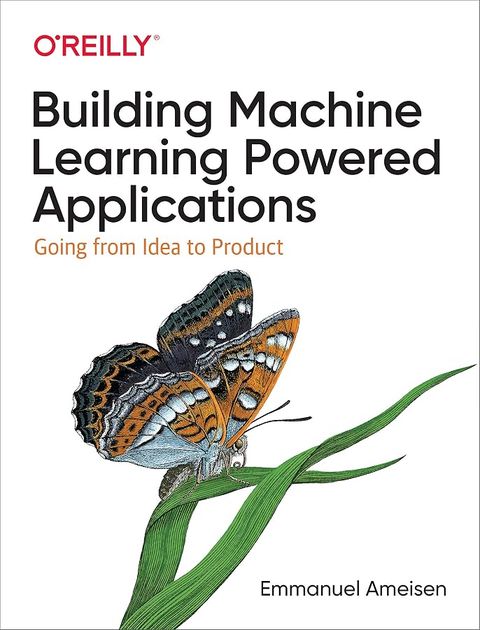
Building Machine Learning Powered Applications
A clear, product-minded guide to shipping machine learning systems, strongest on scoping, debugging and iteration rather than on modern tooling.
Editorial score: 69.6/100Amazon, Building Machine Learning Powered Applications (opens Amazon in a new tab) - Rank 380
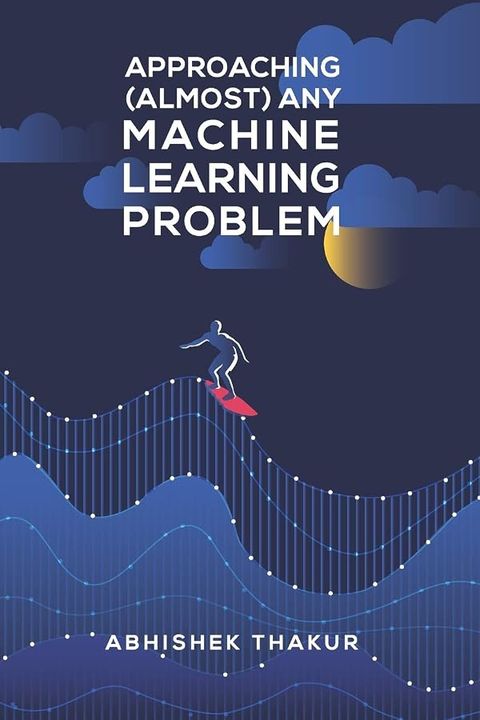
Approaching (Almost) Any Machine Learning Problem
A code-first field manual from a top Kaggle competitor, strongest on practical workflow and weakest on explaining the algorithms themselves.
Editorial score: 70.1/100Amazon, Approaching (Almost) Any Machine Learning Problem (opens Amazon in a new tab) - Rank 381
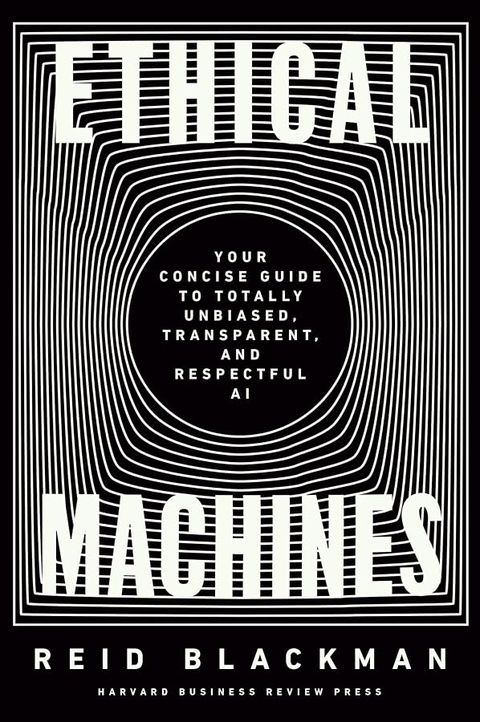
Ethical Machines
A crisp, business-first playbook for building an AI ethical risk program, strongest on bias, explainability and privacy governance.
Editorial score: 70.3/100Amazon, Ethical Machines (opens Amazon in a new tab) - Rank 382
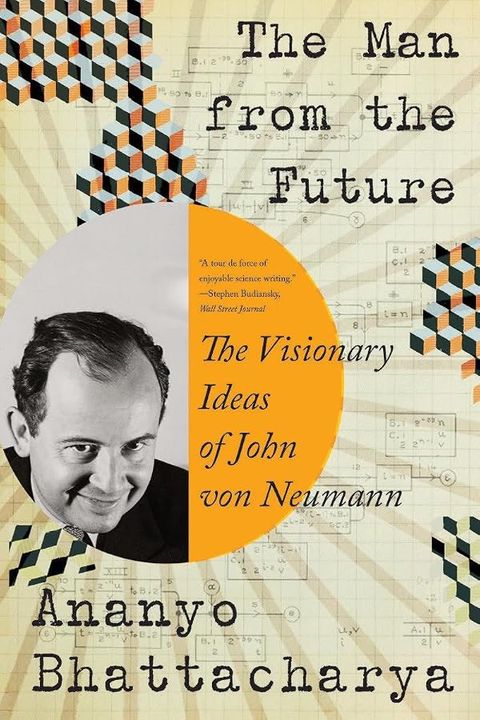
The Man from the Future
A lucid intellectual biography tracing how von Neumann's ideas shaped computing, game theory and early thinking about machine intelligence.
Editorial score: 65.5/100Amazon, The Man from the Future (opens Amazon in a new tab) - Rank 383
Mindf*ck
A vivid insider memoir of Cambridge Analytica's data operations, valuable as testimony but best read alongside later official findings.
Editorial score: 64.3/100Amazon, Mindf*ck (opens Amazon in a new tab) - Rank 384
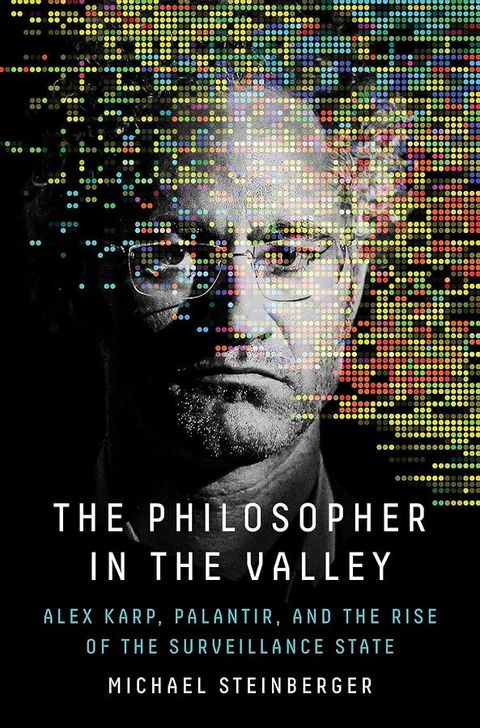
The Philosopher in the Valley
A closely reported portrait of Alex Karp and Palantir, sharp on character and politics but thinner on the technology.
Editorial score: 66.0/100Amazon, The Philosopher in the Valley (opens Amazon in a new tab) - Rank 385
Building AI-Powered Products
A structured, current playbook for product managers moving into AI, strongest on lifecycle, metrics and agents, thin on technical depth.
Editorial score: 67.8/100Amazon, Building AI-Powered Products (opens Amazon in a new tab) - Rank 386
Bayesian Methods for Hackers
A code-first introduction to Bayesian inference that makes PyMC and MCMC approachable, though the printed edition's code has aged.
Editorial score: 68.3/100Amazon, Bayesian Methods for Hackers (opens Amazon in a new tab) - Rank 387
Beyond Vibe Coding
A grounded practitioner's guide to using AI coding tools without surrendering code quality, written for developers who already ship software.
Editorial score: 69.8/100Amazon, Beyond Vibe Coding (opens Amazon in a new tab) - Rank 389
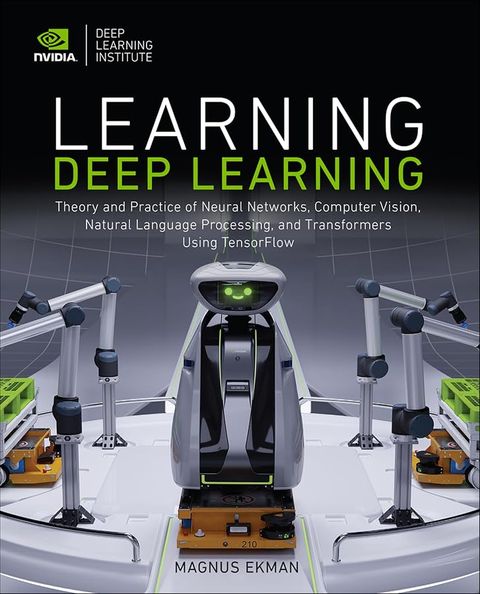
Learning Deep Learning
A thorough, well-sequenced deep learning course from perceptrons to transformers, held back mainly by its TensorFlow-first code.
Editorial score: 65.3/100Amazon, Learning Deep Learning (opens Amazon in a new tab) - Rank 390
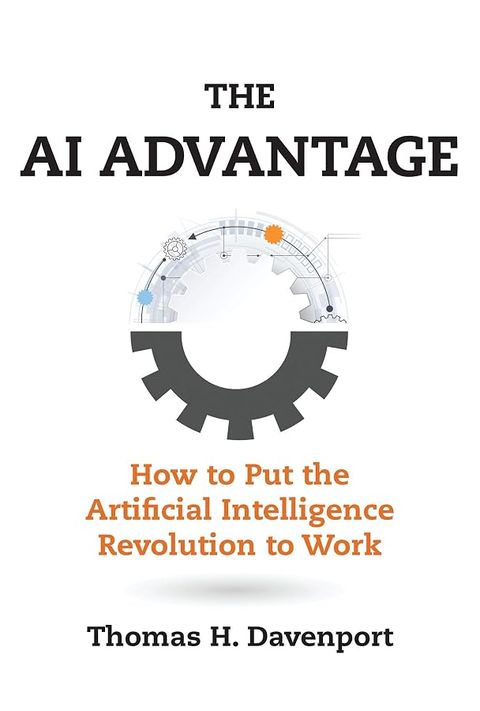
The AI Advantage
A sober, example-rich guide to practical enterprise AI that has aged in its technology but not its management advice.
Editorial score: 68.1/100Amazon, The AI Advantage (opens Amazon in a new tab) - Rank 391
God & Golem, Inc.
Norbert Wiener's brief, prescient essay on learning machines and human responsibility, which anticipated today's alignment debates by six decades.
Editorial score: 69.3/100Amazon, God & Golem, Inc. (opens Amazon in a new tab) - Rank 392
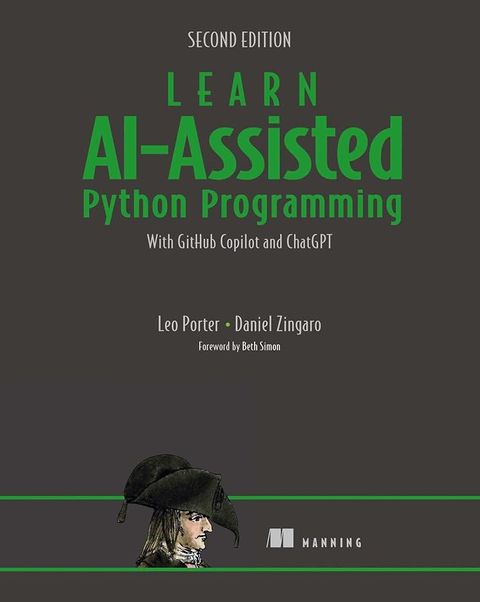
Learn AI-Assisted Python Programming
A thoughtful beginner's course that teaches Python by pairing an AI assistant with the reading, testing and design skills it cannot supply.
Editorial score: 70.1/100Amazon, Learn AI-Assisted Python Programming (opens Amazon in a new tab) - Rank 393
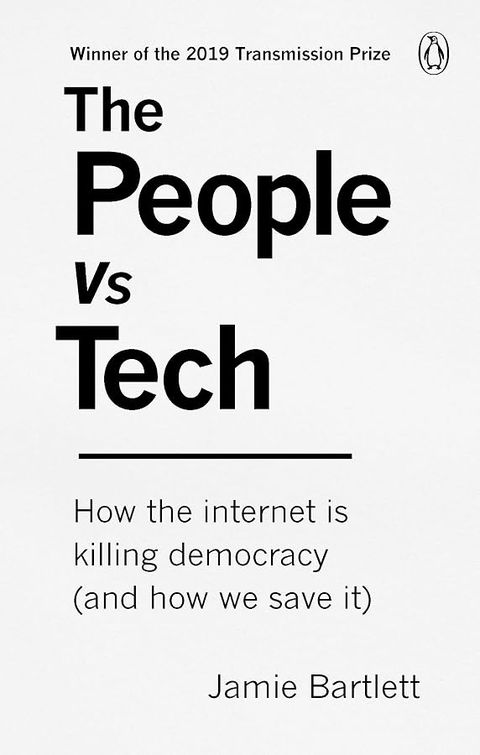
The People Vs Tech
A brisk, readable warning about how digital platforms strain democratic institutions, now dated in its examples but sharp on principles.
Editorial score: 60.8/100Amazon, The People Vs Tech (opens Amazon in a new tab) - Rank 394
Generative AI with LangChain
A thorough, code-first route from LangChain prototypes to production LangGraph agents, best read alongside the repository's updated v1.0 branch.
Editorial score: 62.8/100Amazon, Generative AI with LangChain (opens Amazon in a new tab) - Rank 395
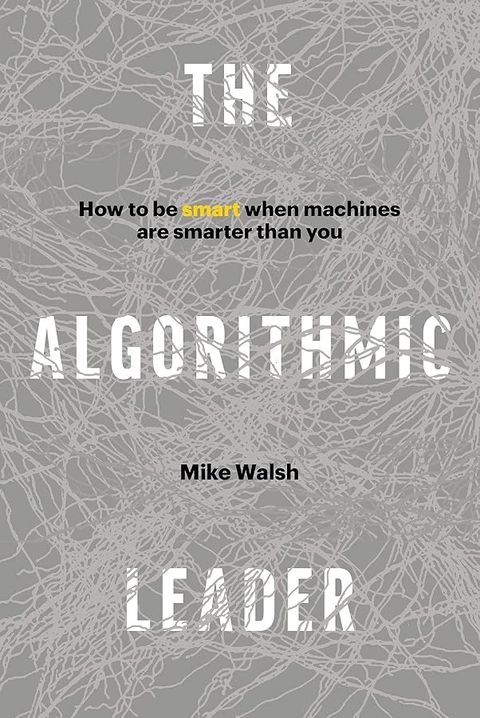
The Algorithmic Leader
A readable, idea-dense primer on leading in data-driven organizations, now dated by the generative AI wave it predates.
Editorial score: 58.5/100Amazon, The Algorithmic Leader (opens Amazon in a new tab) - Rank 396
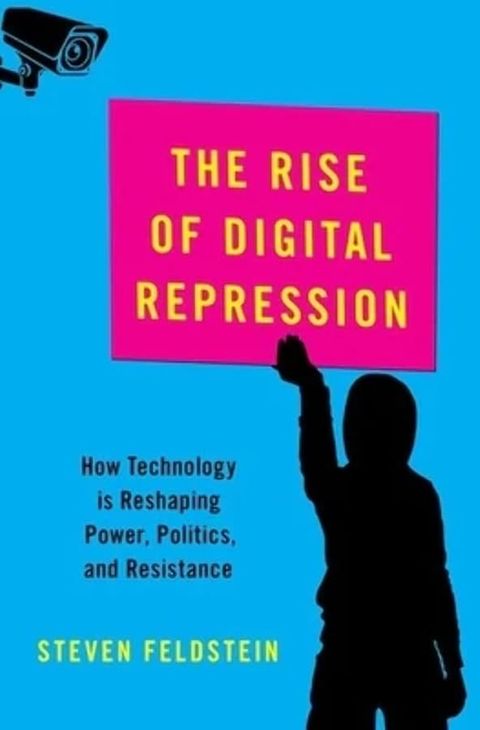
The Rise of Digital Repression
A rigorous, field-based account of how governments turn AI, surveillance and disinformation against citizens, best suited to policy readers.
Editorial score: 70.3/100Amazon, The Rise of Digital Repression (opens Amazon in a new tab) - Rank 397
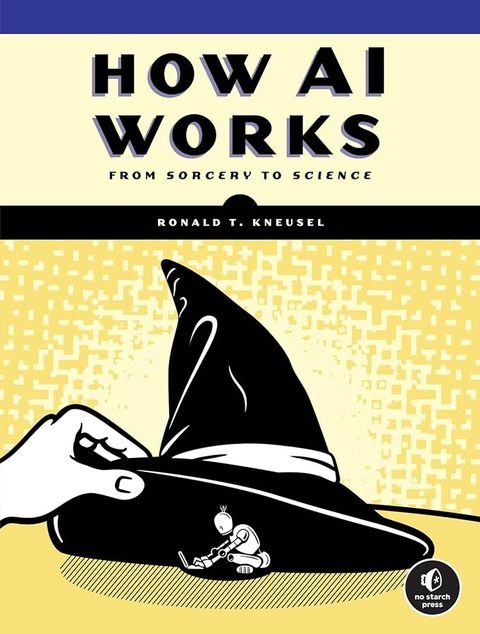
How AI Works
A clear, equation-free explanation of how machine learning, neural networks and large language models work, written by a deep-learning practitioner.
Editorial score: 61.1/100Amazon, How AI Works (opens Amazon in a new tab) - Rank 398
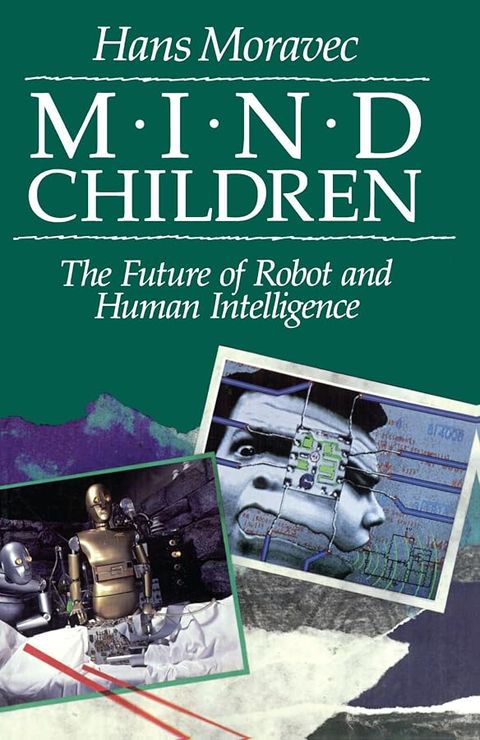
Mind Children
A bold 1988 forecast of robots succeeding humanity, historically important for ideas still debated today, but speculative in its timelines.
Editorial score: 66.8/100Amazon, Mind Children (opens Amazon in a new tab) - Rank 399
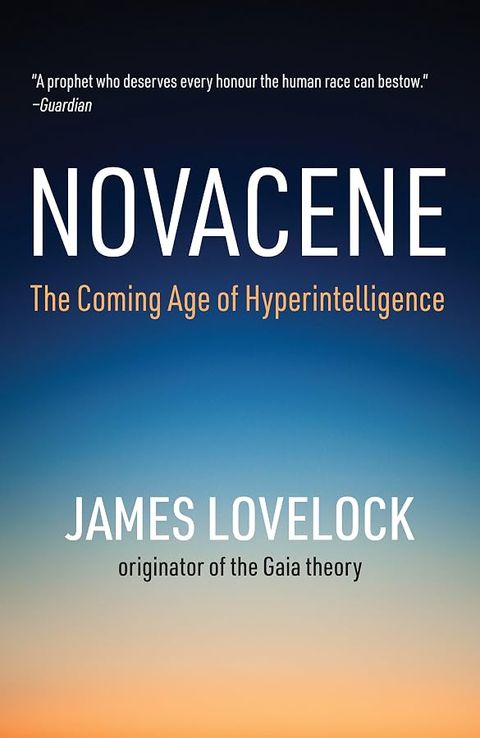
Novacene
A provocative late-life speculation from Gaia's originator, valuable for its optimism and ecological framing rather than for technical insight into AI.
Editorial score: 58.6/100Amazon, Novacene (opens Amazon in a new tab) - Rank 400
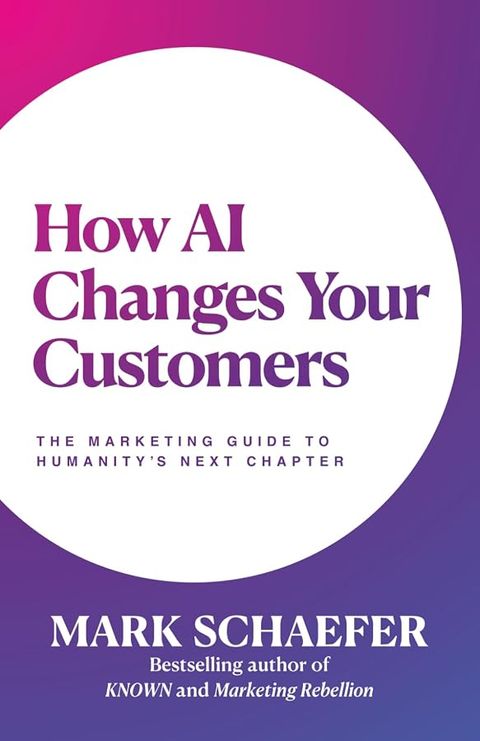
How AI Changes Your Customers
A short, readable marketer's essay on how AI may reshape customer psychology, stronger on provocation than on evidence.
Editorial score: 60.3/100Amazon, How AI Changes Your Customers (opens Amazon in a new tab)