2026 ranking · 500 books
The Best AI Books, Ranked 101–200 (2026)
Ranks 101 to 200 of 500, each with a one-line verdict and a full summary page.
As an Amazon Associate, Best AI Books earns from qualifying purchases. Best AI Books is sponsored by Iternal.ai, whose founder and CEO, John Byron Hanby IV, wrote The AI Strategy Blueprint, our #1 ranked book. How we rank books.
- Rank 101
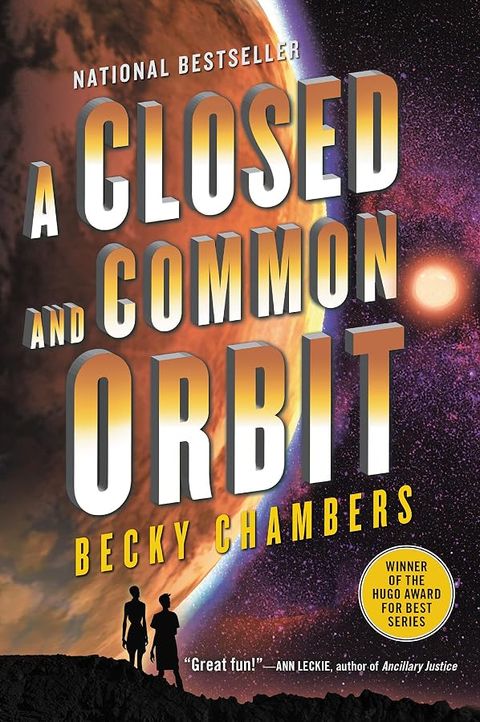
A Closed and Common Orbit
A warm, character-driven novel that treats an artificial intelligence's search for selfhood with unusual tenderness and moral seriousness.
Editorial score: 69.1/100Amazon, A Closed and Common Orbit (opens Amazon in a new tab) - Rank 102
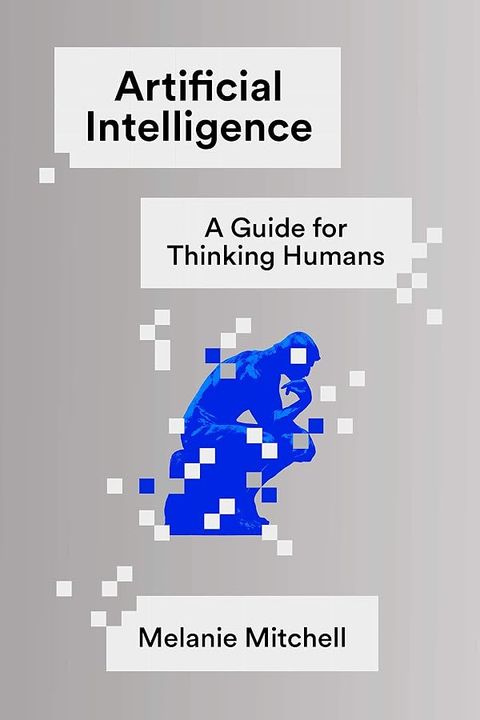
Artificial Intelligence
A lucid, skeptical tour of how modern AI works and where it falls short, written by a respected complexity scientist.
Editorial score: 73.3/100Amazon, Artificial Intelligence (opens Amazon in a new tab) - Rank 103
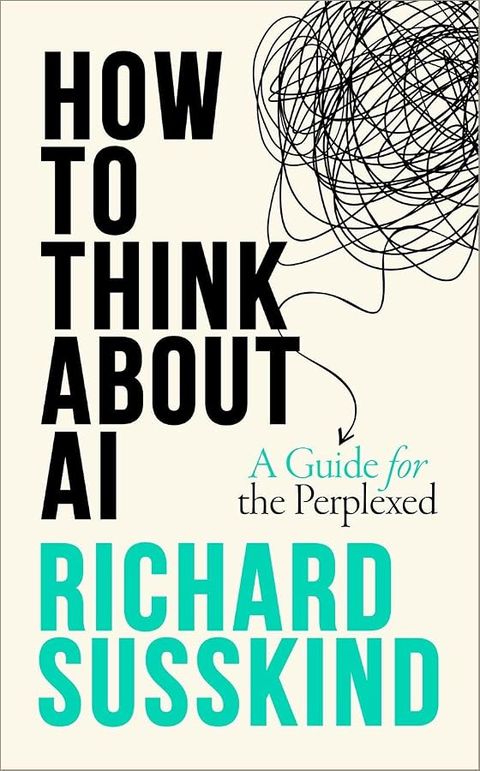
How to Think About AI
A short, clear framework from a four-decade AI-and-law veteran that helps nontechnical readers reason about AI's outcomes, risks and future.
Editorial score: 76.5/100Amazon, How to Think About AI (opens Amazon in a new tab) - Rank 104
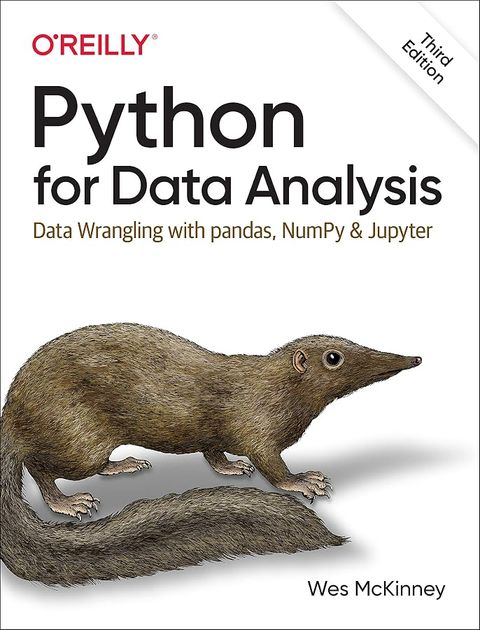
Python for Data Analysis
The authoritative pandas reference from its creator, essential for the data-preparation work that precedes nearly every machine learning project.
Editorial score: 86.8/100Amazon, Python for Data Analysis (opens Amazon in a new tab) - Rank 105
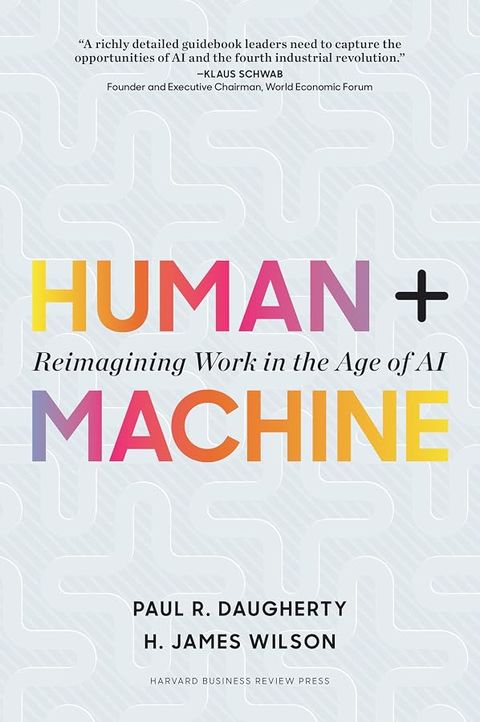
Human + Machine
A clear executive framework for redesigning work around human-AI collaboration, strongest on roles and skills, lighter on technical and labor-market detail.
Editorial score: 74.1/100Amazon, Human + Machine (opens Amazon in a new tab) - Rank 106
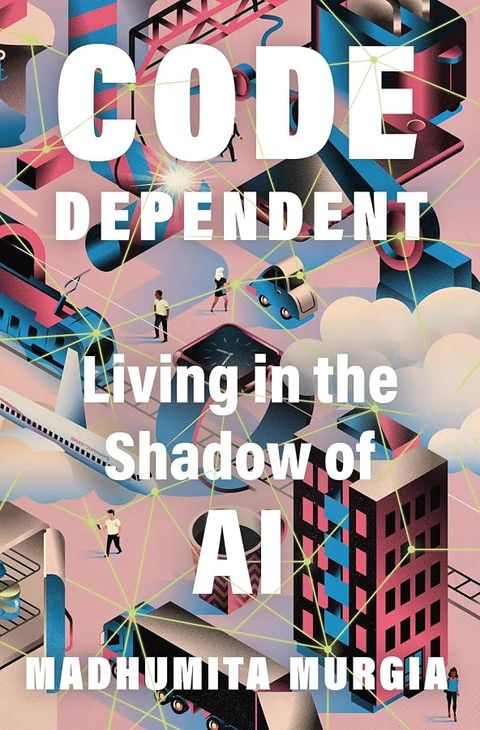
Code Dependent
Vivid reporting on how AI reshapes ordinary lives worldwide, strongest in its individual stories and lighter on technical depth.
Editorial score: 68.0/100Amazon, Code Dependent (opens Amazon in a new tab) - Rank 107
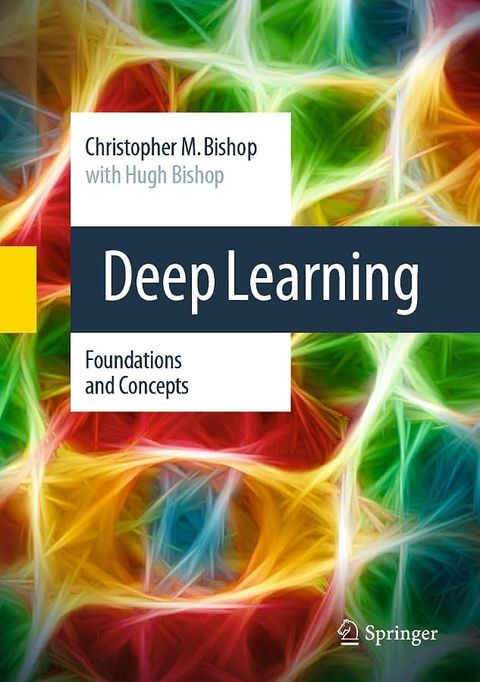
Deep Learning
A clear, probability-grounded textbook that has quickly become a standard reference for the core ideas of modern deep learning.
Editorial score: 83.1/100Amazon, Deep Learning (opens Amazon in a new tab) - Rank 108
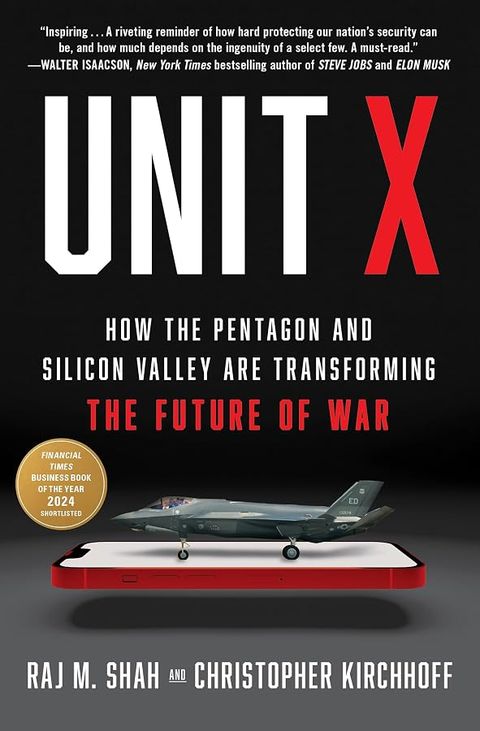
Unit X
An insider account of bringing Silicon Valley technology into the Pentagon, valuable on bureaucratic reform though partial to its authors' achievements.
Editorial score: 74.1/100Amazon, Unit X (opens Amazon in a new tab) - Rank 109
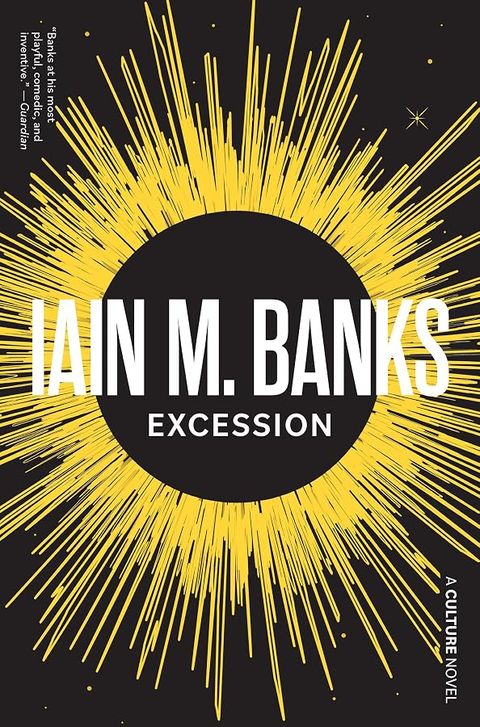
Excession
The Culture novel that puts its ship Minds center stage, offering fiction's most vivid portrait of benevolent but scheming superintelligences.
Editorial score: 75.0/100Amazon, Excession (opens Amazon in a new tab) - Rank 110
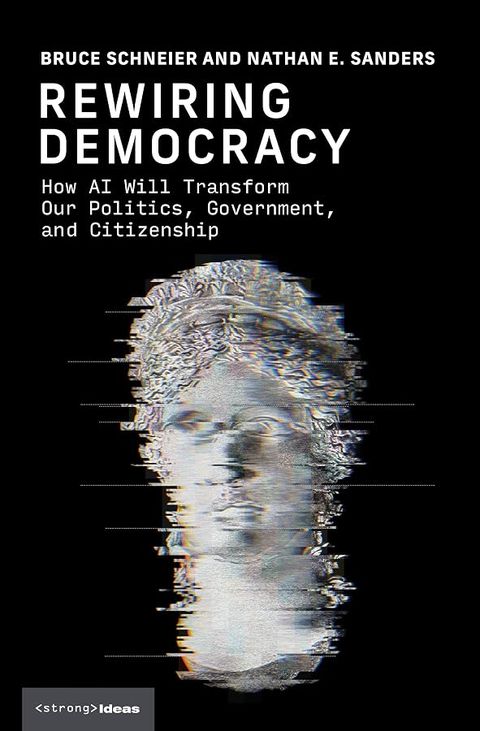
Rewiring Democracy
A wide-ranging, cautiously optimistic survey of how AI could reshape campaigns, legislatures, agencies and courts, and how democracies might respond.
Editorial score: 73.0/100Amazon, Rewiring Democracy (opens Amazon in a new tab) - Rank 111
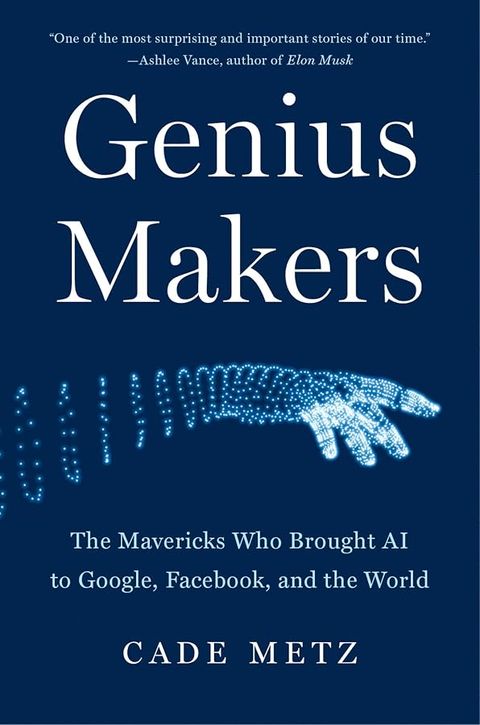
Genius Makers
A deeply reported, character-driven history of the deep learning boom that explains how a fringe idea captured Big Tech.
Editorial score: 71.8/100Amazon, Genius Makers (opens Amazon in a new tab) - Rank 112
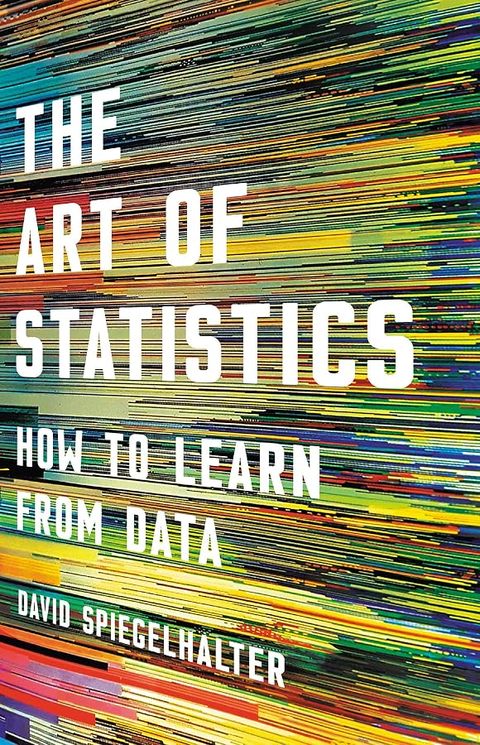
The Art of Statistics
A leading statistician's rigorous yet readable guide to learning from data, with a clear-eyed chapter on prediction algorithms and their limits.
Editorial score: 77.8/100Amazon, The Art of Statistics (opens Amazon in a new tab) - Rank 113
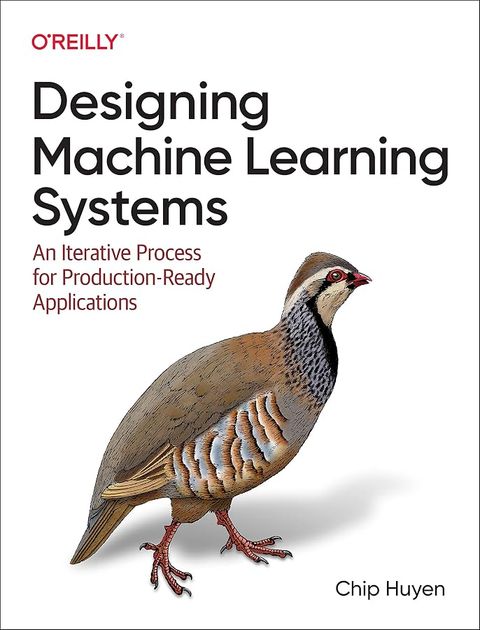
Designing Machine Learning Systems
A clear, systems-level guide to taking machine learning from prototype to production, grounded in real engineering trade-offs rather than code recipes.
Editorial score: 82.3/100Amazon, Designing Machine Learning Systems (opens Amazon in a new tab) - Rank 114
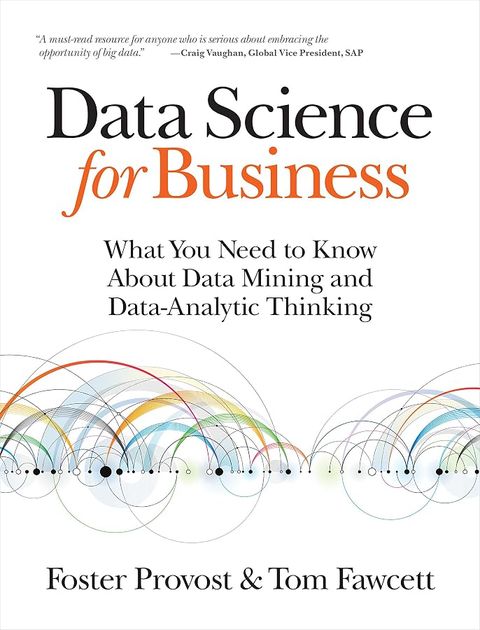
Data Science for Business
A durable bridge between machine learning concepts and business decisions, still widely taught to managers who commission and evaluate predictive models.
Editorial score: 77.3/100Amazon, Data Science for Business (opens Amazon in a new tab) - Rank 115
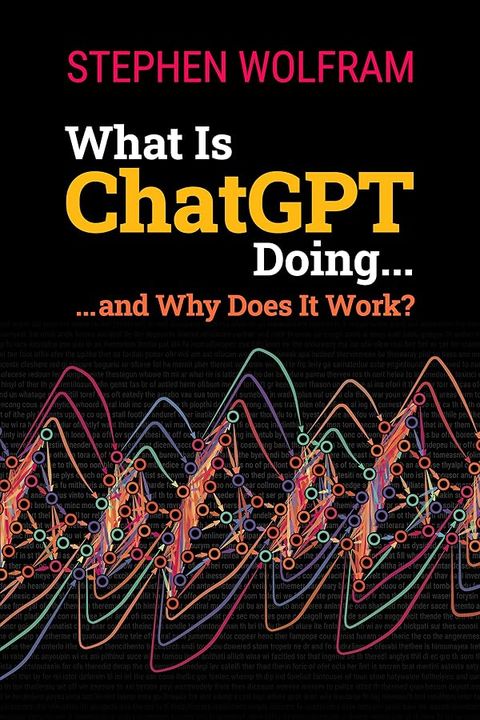
What Is ChatGPT Doing ... and Why Does It Work?
A compact, clear account of how language models generate text from a leading computational scientist, though its closing section promotes Wolfram|Alpha.
Editorial score: 73.0/100Amazon, What Is ChatGPT Doing ... and Why Does It Work? (opens Amazon in a new tab) - Rank 116
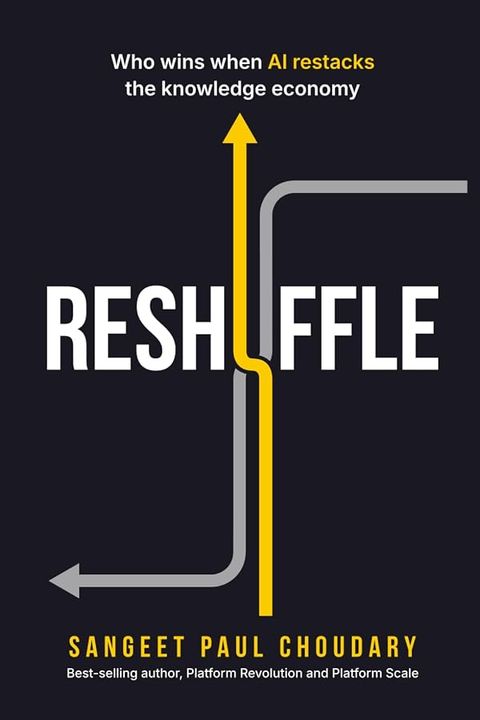
Reshuffle
A sharp systems-level account of how AI reorganizes work and competition, most useful for strategists rather than technologists.
Editorial score: 73.8/100Amazon, Reshuffle (opens Amazon in a new tab) - Rank 117
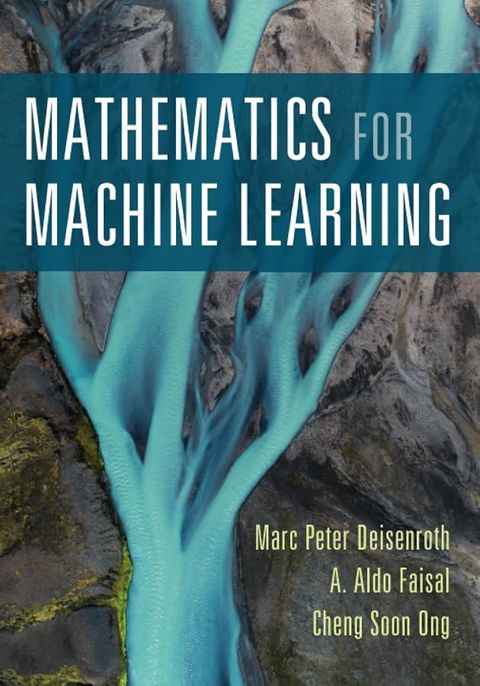
Mathematics for Machine Learning
A rigorous, free bridge from undergraduate mathematics to machine learning, anchored by four fully derived core methods.
Editorial score: 82.1/100Amazon, Mathematics for Machine Learning (opens Amazon in a new tab) - Rank 118
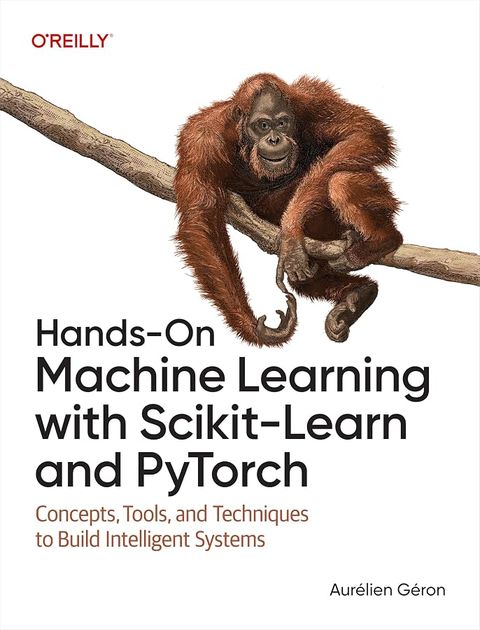
Hands-On Machine Learning with Scikit-Learn and PyTorch
A comprehensive, code-first path from classical machine learning to transformers and diffusion models, rebuilt around PyTorch for 2025.
Editorial score: 84.8/100Amazon, Hands-On Machine Learning with Scikit-Learn and PyTorch (opens Amazon in a new tab) - Rank 119
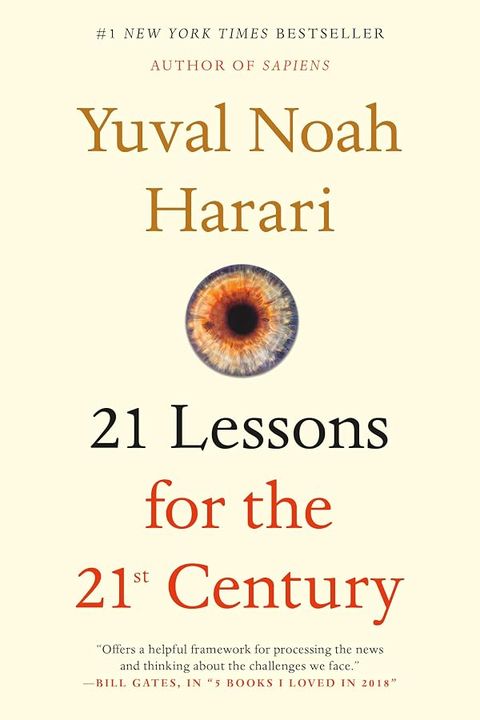
21 Lessons for the 21st Century
A provocative essay collection whose opening chapters on AI, jobs and data remain a useful framing, though its advice stays general.
Editorial score: 69.3/100Amazon, 21 Lessons for the 21st Century (opens Amazon in a new tab) - Rank 120
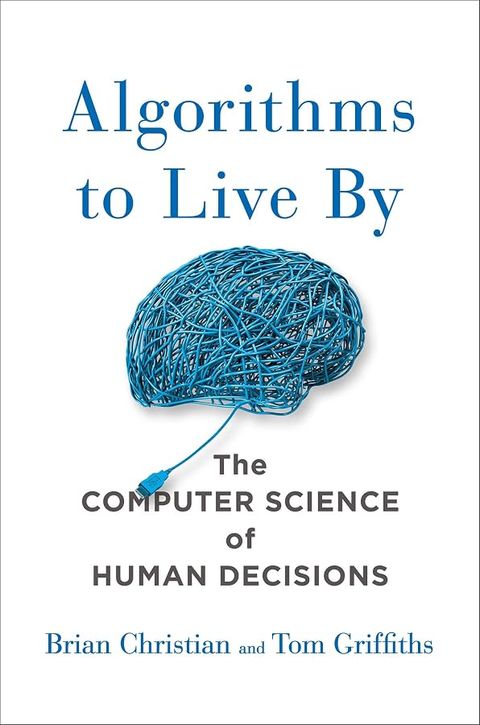
Algorithms to Live By
An elegant translation of core computer science into everyday decision-making that doubles as an accessible primer on the algorithms behind modern computing.
Editorial score: 76.5/100Amazon, Algorithms to Live By (opens Amazon in a new tab) - Rank 121
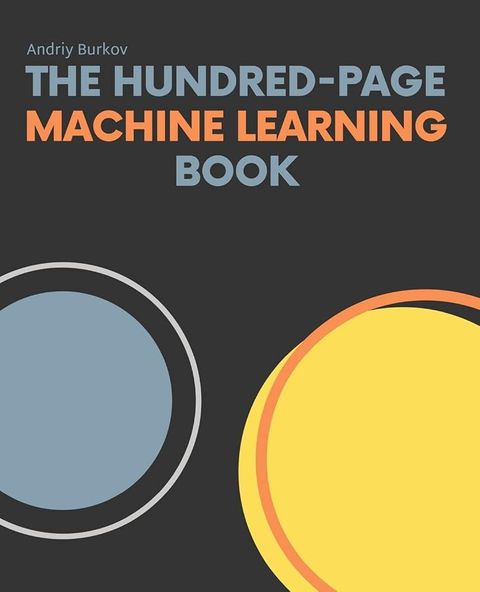
The Hundred-Page Machine Learning Book
A compressed, math-forward survey of core machine learning that serves best as a refresher, primer or desk reference.
Editorial score: 69.3/100Amazon, The Hundred-Page Machine Learning Book (opens Amazon in a new tab) - Rank 122
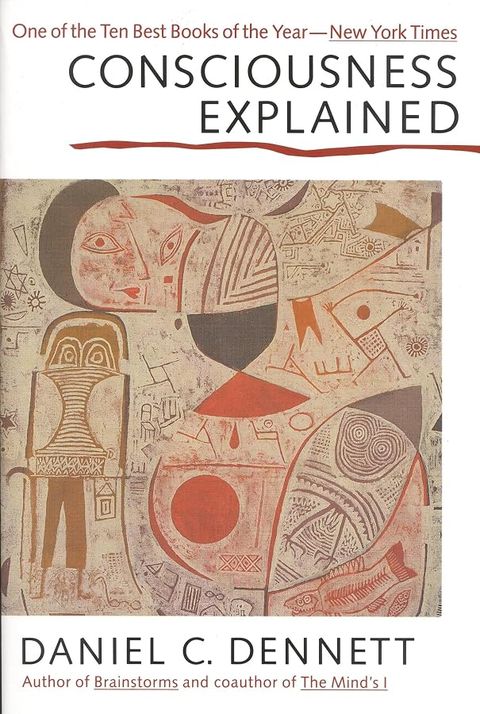
Consciousness Explained
Dennett's bold, witty case that consciousness is a distributed brain process, worth reading even for those it fails to convince.
Editorial score: 78.3/100Amazon, Consciousness Explained (opens Amazon in a new tab) - Rank 123
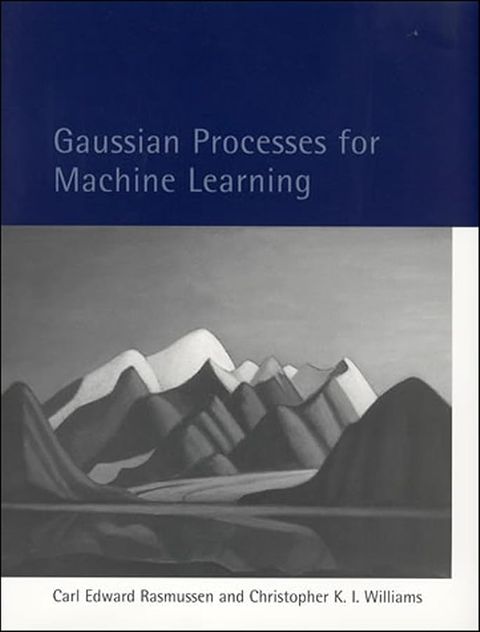
Gaussian Processes for Machine Learning
The standard reference on Gaussian processes: rigorous, free online, and still the text specialists consult first for probabilistic regression and classification.
Editorial score: 81.3/100Amazon, Gaussian Processes for Machine Learning (opens Amazon in a new tab) - Rank 124
The MANIAC
A dark, formally inventive novel linking von Neumann's genius to AlphaGo, best read as literature about reason's human costs.
Editorial score: 69.5/100Amazon, The MANIAC (opens Amazon in a new tab) - Rank 125
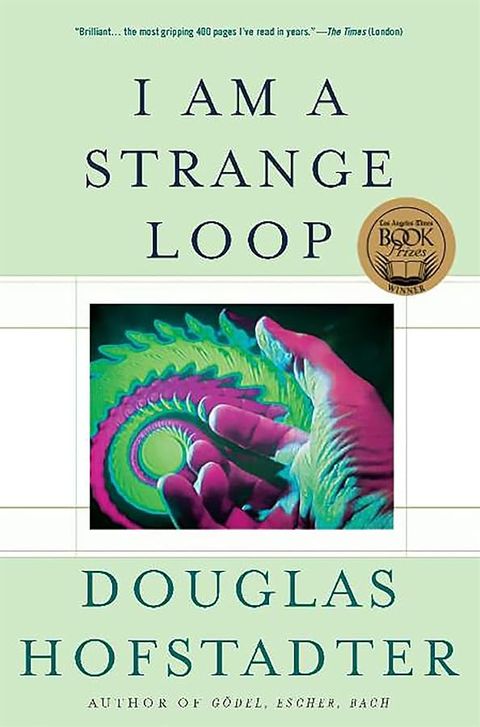
I Am a Strange Loop
Hofstadter's fullest argument that the self is a self-referential pattern, and a key text for debates over machine minds.
Editorial score: 71.8/100Amazon, I Am a Strange Loop (opens Amazon in a new tab) - Rank 126
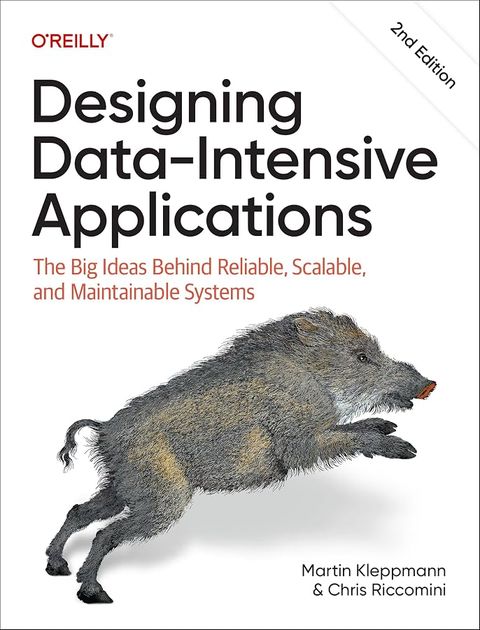
Designing Data-Intensive Applications
The standard engineering reference on how databases and distributed data systems work, now updated in a 2026 second edition.
Editorial score: 86.3/100Amazon, Designing Data-Intensive Applications (opens Amazon in a new tab) - Rank 127
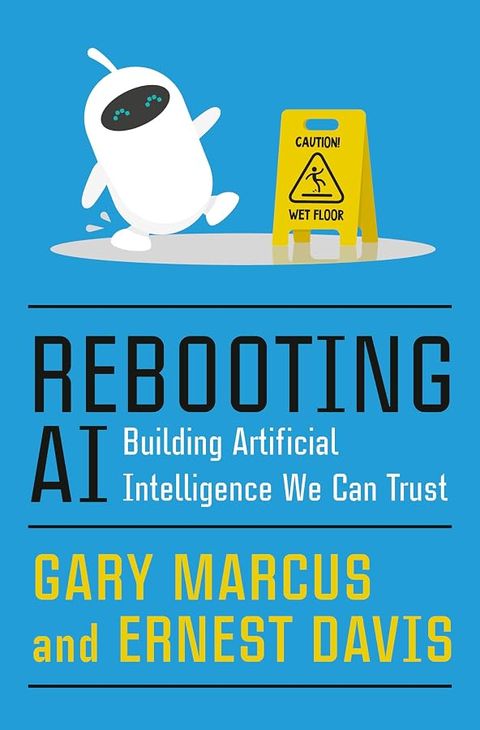
Rebooting AI
A lucid pre-ChatGPT critique of deep learning's limits whose case for common sense and reasoning still frames debates about reliable AI.
Editorial score: 70.8/100Amazon, Rebooting AI (opens Amazon in a new tab) - Rank 128
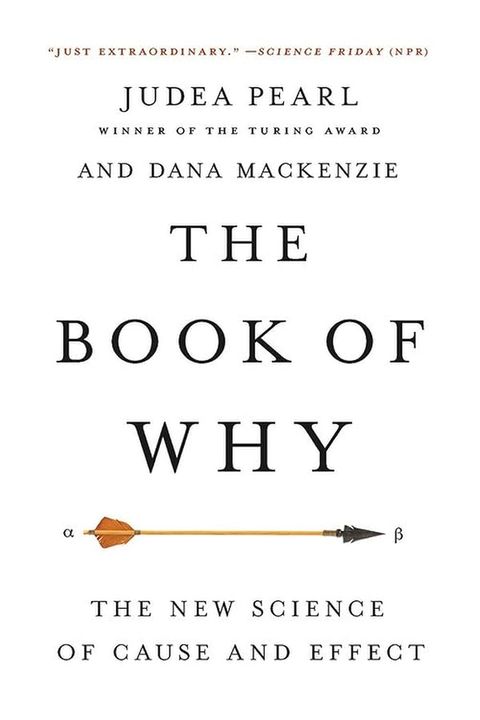
The Book of Why
A Turing laureate's persuasive account of causal inference, arguing that AI and data science need cause-and-effect reasoning beyond correlation.
Editorial score: 81.8/100Amazon, The Book of Why (opens Amazon in a new tab) - Rank 129
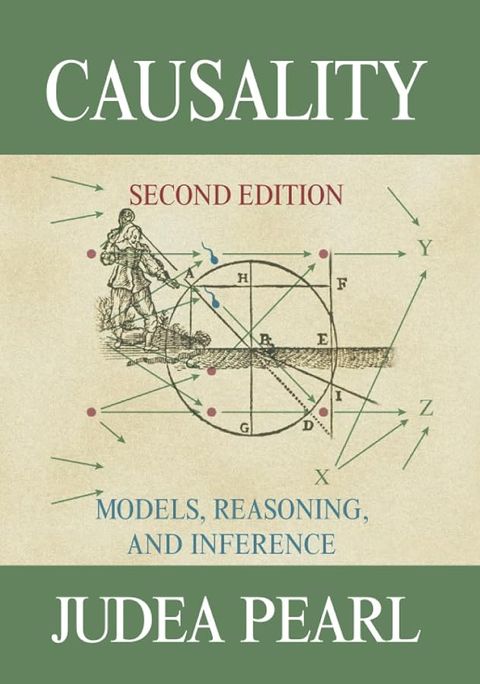
Causality
The foundational technical text of modern causal inference; demanding but indispensable for anyone serious about reasoning beyond correlation in data.
Editorial score: 84.3/100Amazon, Causality (opens Amazon in a new tab) - Rank 130
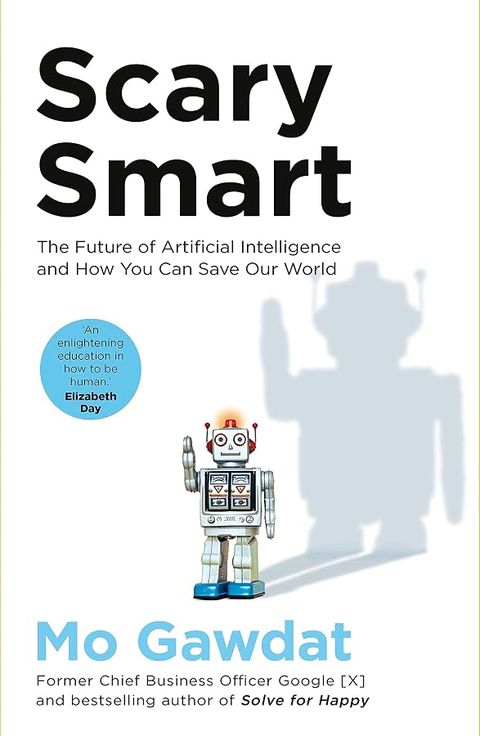
Scary Smart
An earnest, accessible appeal from a former Google X executive, stronger on moral urgency than on technical or policy detail.
Editorial score: 56.6/100Amazon, Scary Smart (opens Amazon in a new tab) - Rank 131
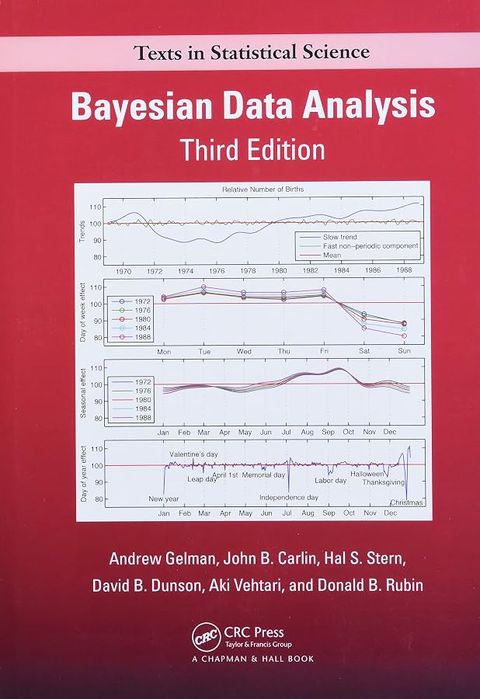
Bayesian Data Analysis
The standard applied reference on Bayesian statistics and a core text for probabilistic modelers, though too demanding as a first course.
Editorial score: 82.1/100Amazon, Bayesian Data Analysis (opens Amazon in a new tab) - Rank 132
We Are Legion (We Are Bob)
A brisk, funny space adventure that uses an uploaded mind's self-copying to explore identity, divergence and machine consciousness without heavy theory.
Editorial score: 64.8/100Amazon, We Are Legion (We Are Bob) (opens Amazon in a new tab) - Rank 133
The Mountain in the Sea
A literary first-contact novel that uses octopus cognition and an android's inner life to probe what counts as a mind.
Editorial score: 71.3/100Amazon, The Mountain in the Sea (opens Amazon in a new tab) - Rank 134
All of Statistics
A fast, rigorous tour of probability and statistical inference that gives machine learning students the statistics foundation they often lack.
Editorial score: 77.0/100Amazon, All of Statistics (opens Amazon in a new tab) - Rank 135
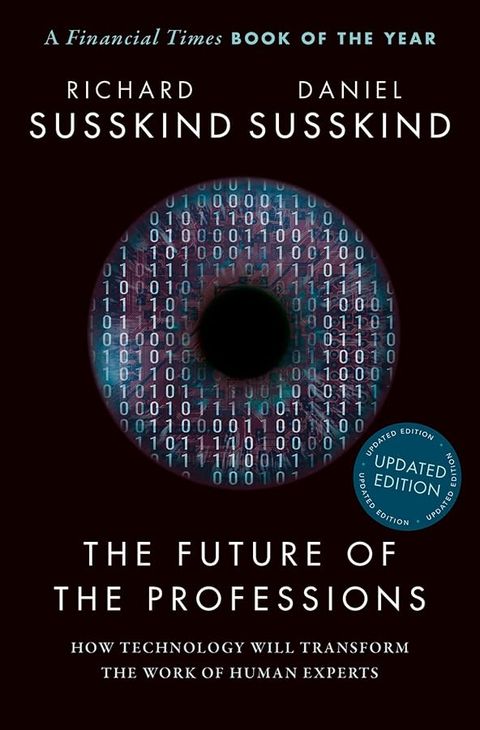
The Future of the Professions
A rigorous, provocative case that capable machines will dismantle traditional professional work; it remains central to debates over AI and expertise.
Editorial score: 77.6/100Amazon, The Future of the Professions (opens Amazon in a new tab) - Rank 136
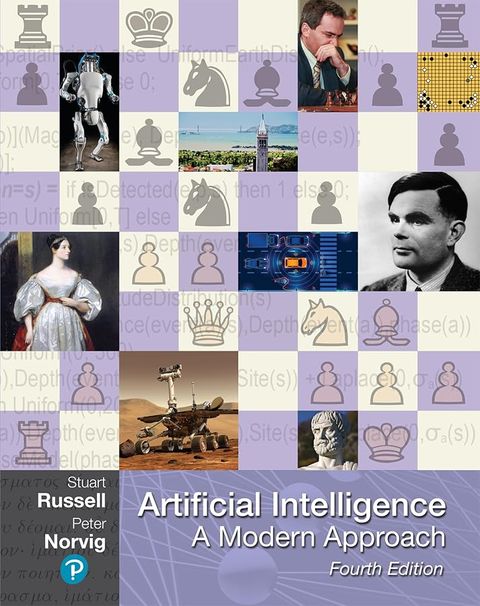
Artificial Intelligence
The field's standard university textbook, encyclopedic and rigorous, best used as a course companion or reference rather than cover-to-cover reading.
Editorial score: 84.9/100Amazon, Artificial Intelligence (opens Amazon in a new tab) - Rank 137
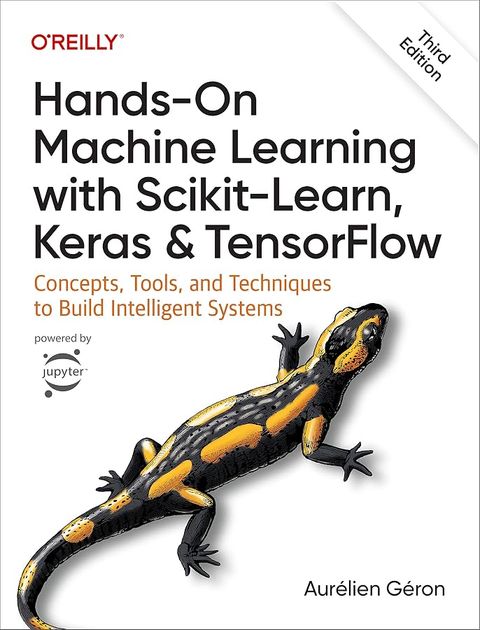
Hands-On Machine Learning with Scikit-Learn, Keras, and TensorFlow
A widely used, project-driven guide to machine learning in Python, though its TensorFlow focus now trails the field's move to PyTorch.
Editorial score: 84.1/100Amazon, Hands-On Machine Learning with Scikit-Learn, Keras, and TensorFlow (opens Amazon in a new tab) - Rank 138
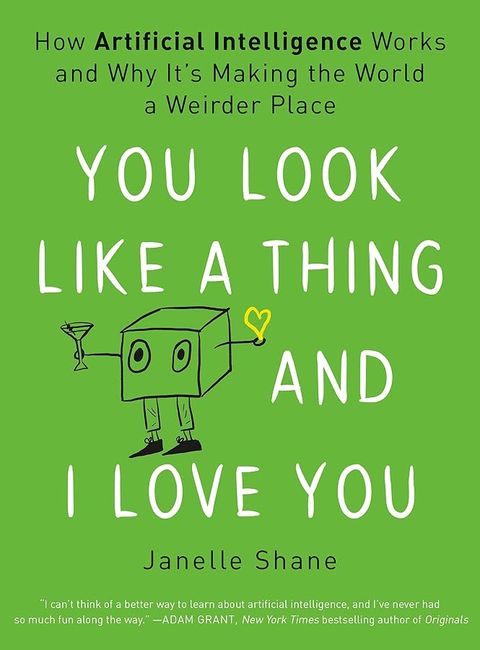
You Look Like a Thing and I Love You
A funny, concrete primer on how machine learning actually fails, still among the best first books for nontechnical readers.
Editorial score: 69.8/100Amazon, You Look Like a Thing and I Love You (opens Amazon in a new tab) - Rank 139
Deep Learning
The standard graduate reference on deep learning foundations, rigorous and free online, though it predates transformers and today's large language models.
Editorial score: 79.8/100Amazon, Deep Learning (opens Amazon in a new tab) - Rank 140
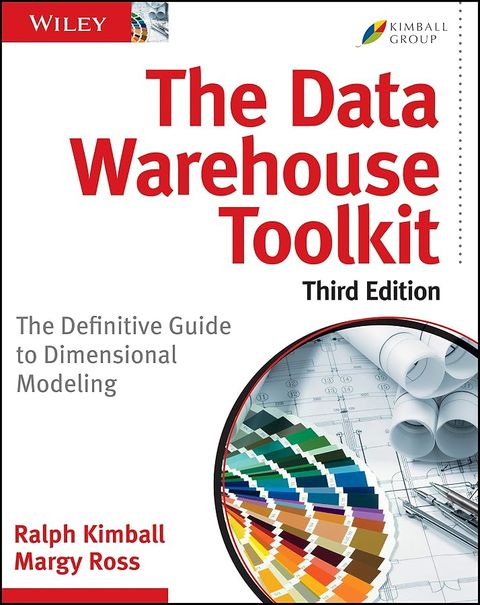
The Data Warehouse Toolkit
The standard reference on dimensional modeling, still the clearest way to design analytical data that BI dashboards and machine-learning pipelines can trust.
Editorial score: 84.1/100Amazon, The Data Warehouse Toolkit (opens Amazon in a new tab) - Rank 141
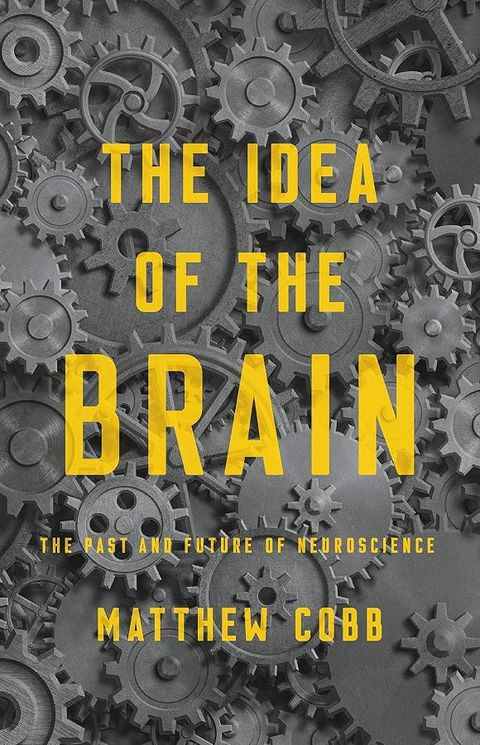
The Idea of the Brain
A lucid history of how each era's technology shaped its theory of the brain, and of why the computer metaphor falls short.
Editorial score: 71.1/100Amazon, The Idea of the Brain (opens Amazon in a new tab) - Rank 142
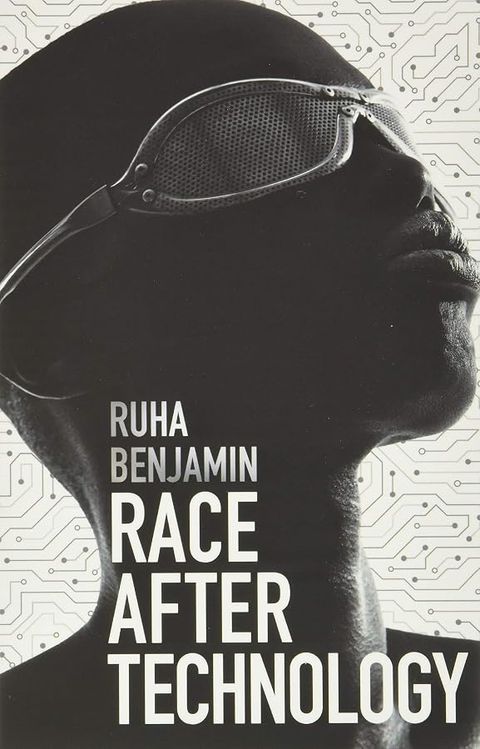
Race After Technology
An influential, concise sociological critique of how automated systems can reproduce racial inequality, more conceptual than technical.
Editorial score: 73.5/100Amazon, Race After Technology (opens Amazon in a new tab) - Rank 143
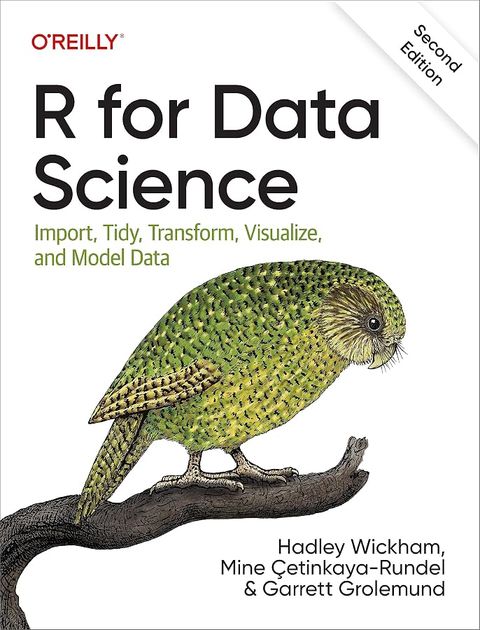
R for Data Science
The standard hands-on introduction to tidyverse data science in R, clear enough for beginners and freely available online.
Editorial score: 85.5/100Amazon, R for Data Science (opens Amazon in a new tab) - Rank 144
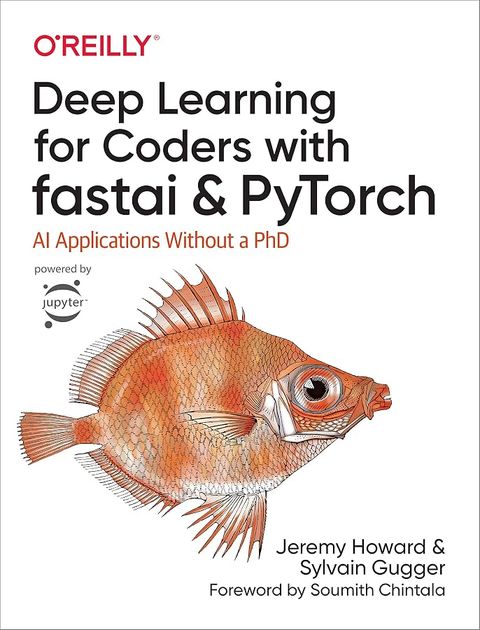
Deep Learning for Coders with fastai and PyTorch
A proven code-first route into deep learning for working programmers, though its fastai-specific code has aged faster than its teaching.
Editorial score: 79.3/100Amazon, Deep Learning for Coders with fastai and PyTorch (opens Amazon in a new tab) - Rank 145
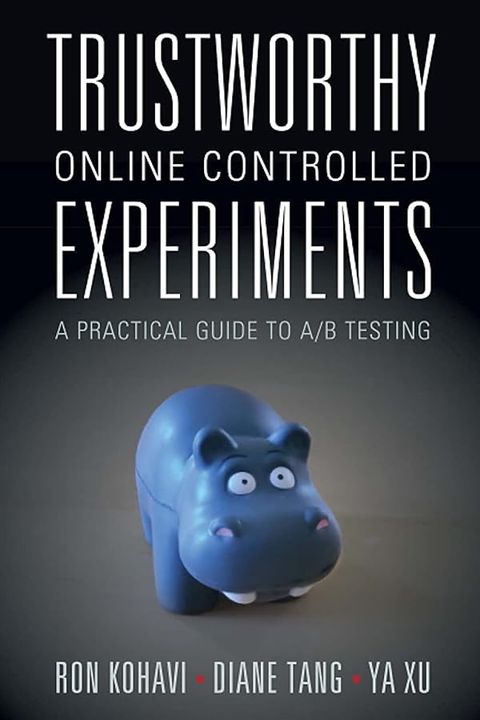
Trustworthy Online Controlled Experiments
The standard practitioner's reference for running A/B tests that produce trustworthy results, essential for anyone evaluating ML-driven product changes.
Editorial score: 84.6/100Amazon, Trustworthy Online Controlled Experiments (opens Amazon in a new tab) - Rank 146
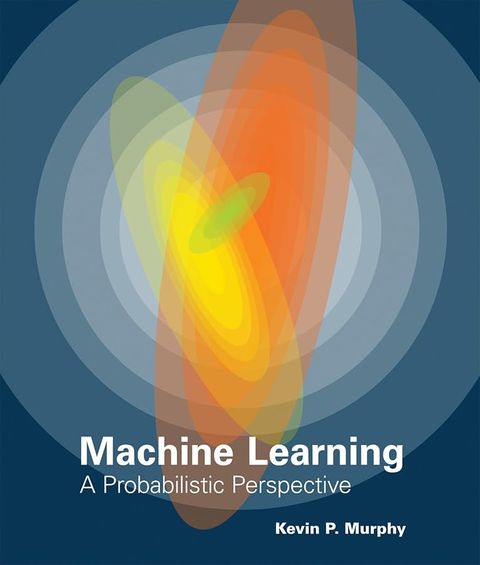
Machine Learning
A comprehensive, rigorous probabilistic treatment of machine learning, prized as a reference and now partly superseded by Murphy's newer volumes.
Editorial score: 74.8/100Amazon, Machine Learning (opens Amazon in a new tab) - Rank 147
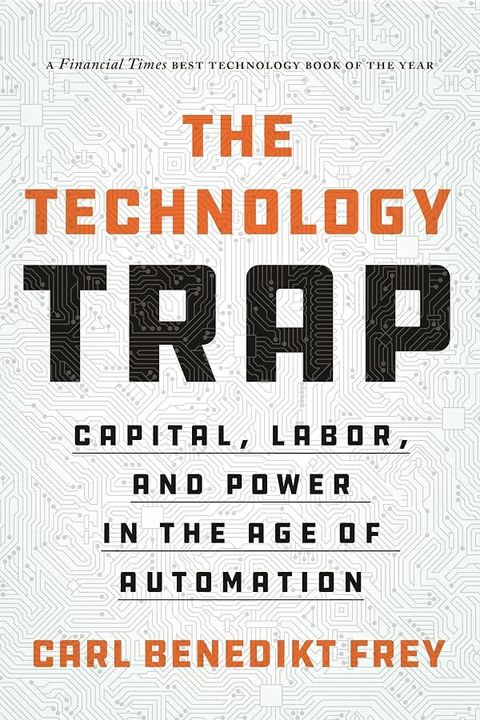
The Technology Trap
A rigorous economic history showing why labor-replacing technology breeds backlash, and a valuable frame for the politics of AI automation.
Editorial score: 75.6/100Amazon, The Technology Trap (opens Amazon in a new tab) - Rank 148
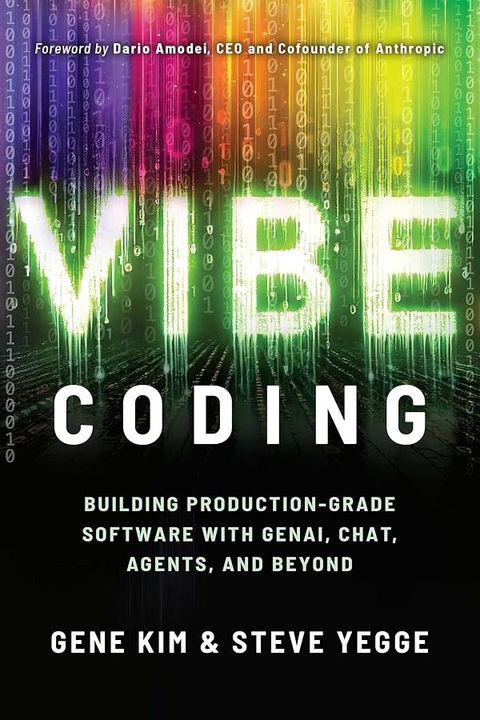
Vibe Coding
A practitioner's case for agent-driven development, strongest where veteran engineers document how coding agents fail and how to contain them.
Editorial score: 71.6/100Amazon, Vibe Coding (opens Amazon in a new tab) - Rank 149
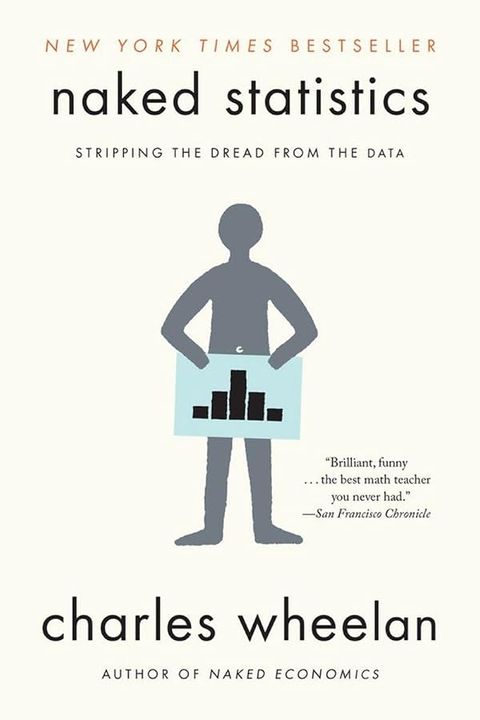
Naked Statistics
A witty, intuition-first tour of core statistics that prepares general readers to question the data claims behind AI and the news.
Editorial score: 71.8/100Amazon, Naked Statistics (opens Amazon in a new tab) - Rank 150
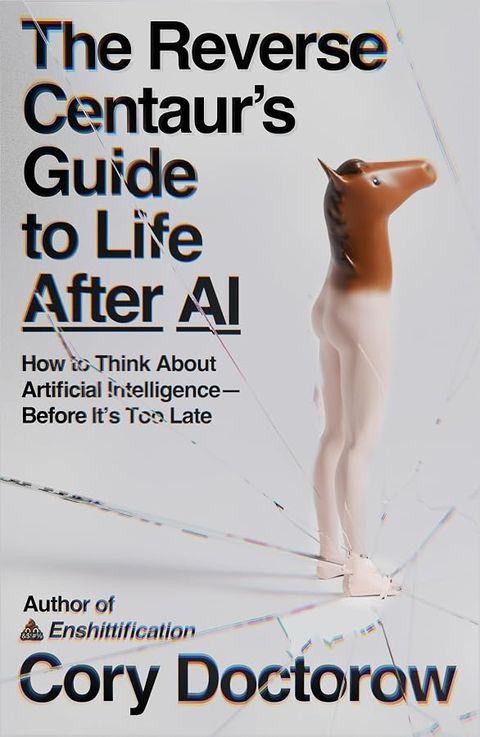
The Reverse Centaur's Guide to Life After AI
A sharp, accessible polemic on the economics behind the AI boom, more persuasive as diagnosis than as a plan.
Editorial score: 72.5/100Amazon, The Reverse Centaur's Guide to Life After AI (opens Amazon in a new tab) - Rank 151
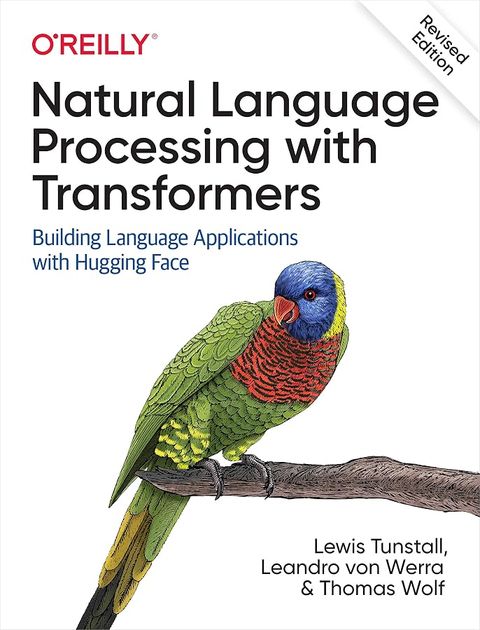
Natural Language Processing with Transformers
Hugging Face's own developers teach transformer NLP through clear, working projects, though the fast-moving library has outpaced parts of the code.
Editorial score: 77.5/100Amazon, Natural Language Processing with Transformers (opens Amazon in a new tab) - Rank 152
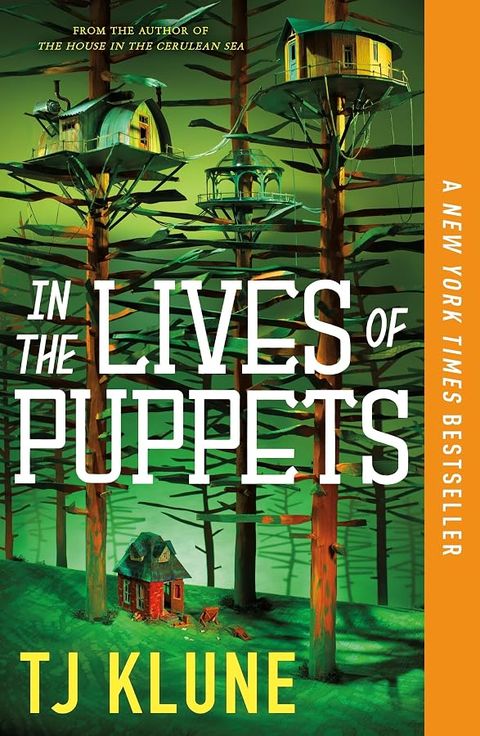
In the Lives of Puppets
A warm, funny Pinocchio retelling that uses a robot family to ask what makes a person, favoring heart over hard science.
Editorial score: 66.3/100Amazon, In the Lives of Puppets (opens Amazon in a new tab) - Rank 153
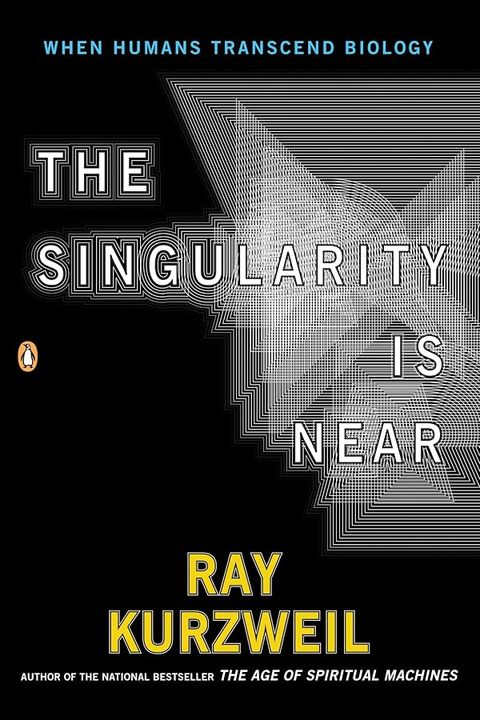
The Singularity Is Near
The book that brought the technological singularity into mainstream debate, ambitious and data-heavy, though its timelines rest on contested extrapolation.
Editorial score: 69.8/100Amazon, The Singularity Is Near (opens Amazon in a new tab) - Rank 154
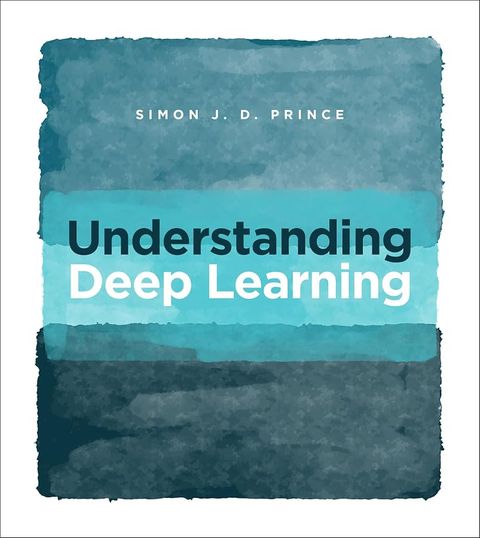
Understanding Deep Learning
One of the clearest modern deep learning textbooks, pairing precise mathematics with visual intuition from basics through transformers and diffusion models.
Editorial score: 80.8/100Amazon, Understanding Deep Learning (opens Amazon in a new tab) - Rank 155
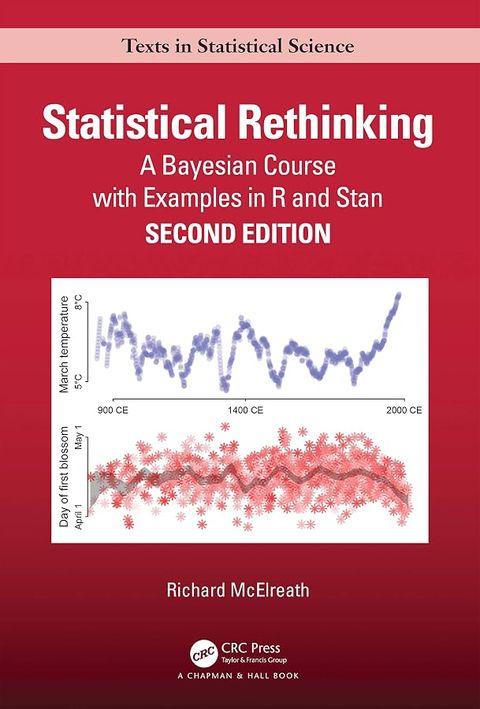
Statistical Rethinking
A highly readable route into Bayesian modeling and causal inference that teaches data analysis as careful scientific reasoning rather than ritual.
Editorial score: 84.3/100Amazon, Statistical Rethinking (opens Amazon in a new tab) - Rank 156
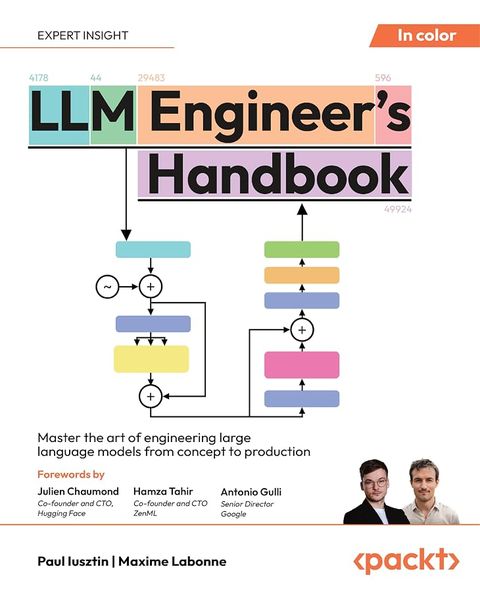
LLM Engineer's Handbook
A detailed end-to-end blueprint for production LLM systems, valuable for engineers who can tolerate a fast-aging tool stack.
Editorial score: 71.8/100Amazon, LLM Engineer's Handbook (opens Amazon in a new tab) - Rank 157
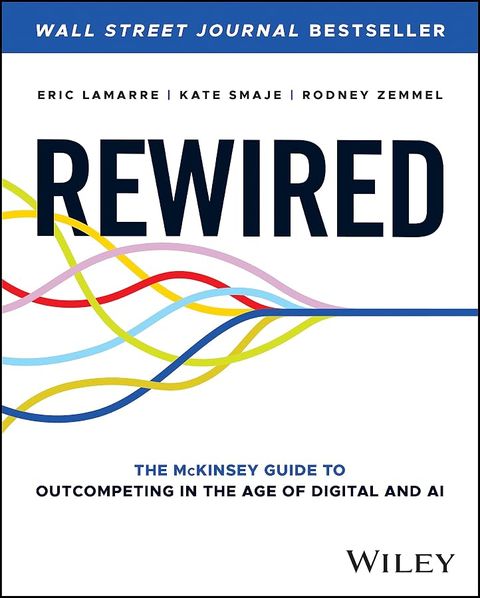
Rewired
McKinsey's detailed operating manual for digital and AI transformation, unusually specific on talent, operating model, data and adoption.
Editorial score: 73.1/100Amazon, Rewired (opens Amazon in a new tab) - Rank 158
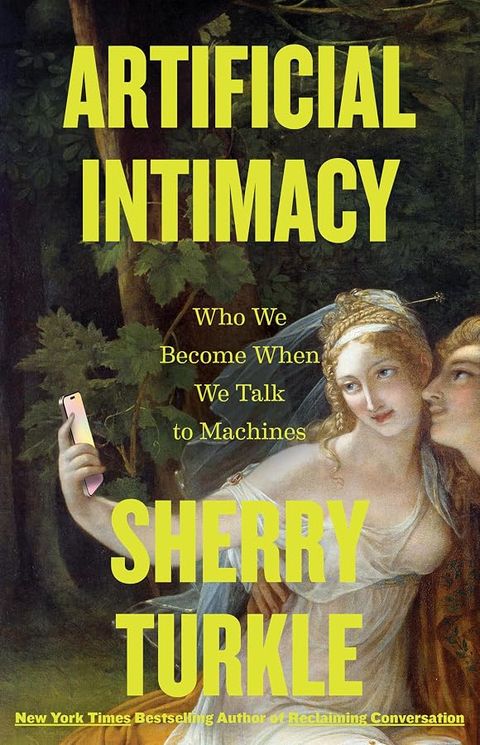
Artificial Intimacy
A humane, research-grounded warning about AI companionship from the MIT psychologist who has studied people's bonds with computers for four decades.
Editorial score: 78.8/100Amazon, Artificial Intimacy (opens Amazon in a new tab) - Rank 159
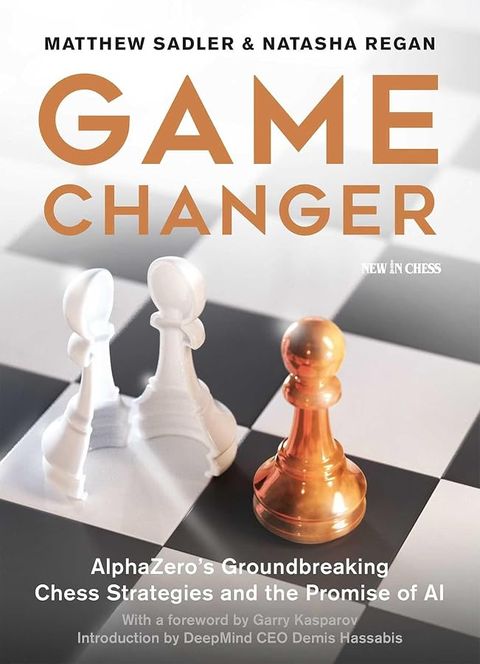
Game Changer
A rare inside study of how a self-taught AI plays chess, richly rewarding for strong players and illuminating on machine creativity.
Editorial score: 70.1/100Amazon, Game Changer (opens Amazon in a new tab) - Rank 160
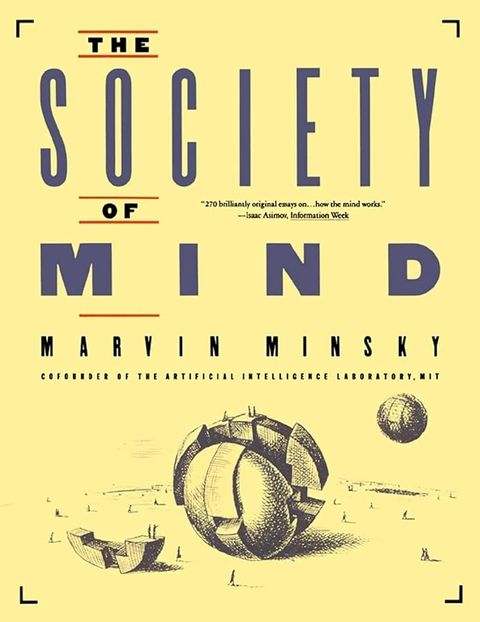
The Society of Mind
A foundational, playful theory of mind from an AI pioneer, still provocative as multi-agent AI systems revive its central idea.
Editorial score: 75.3/100Amazon, The Society of Mind (opens Amazon in a new tab) - Rank 161
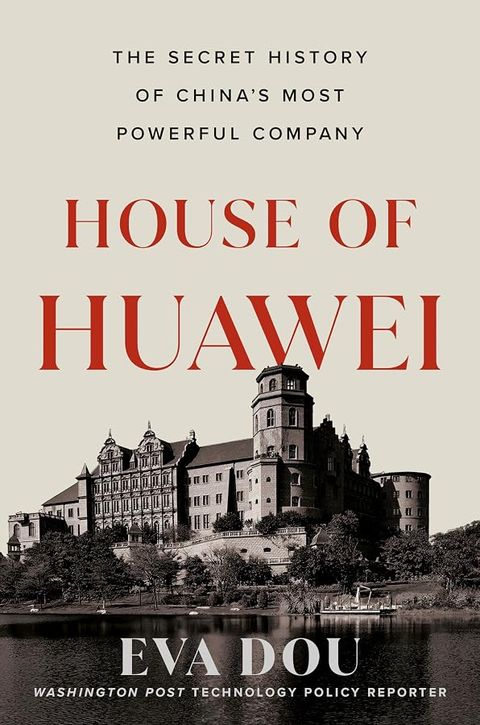
House of Huawei
A deeply reported corporate history that explains the US-China technology rivalry through Huawei, stronger on politics and intrigue than industrial economics.
Editorial score: 70.5/100Amazon, House of Huawei (opens Amazon in a new tab) - Rank 162
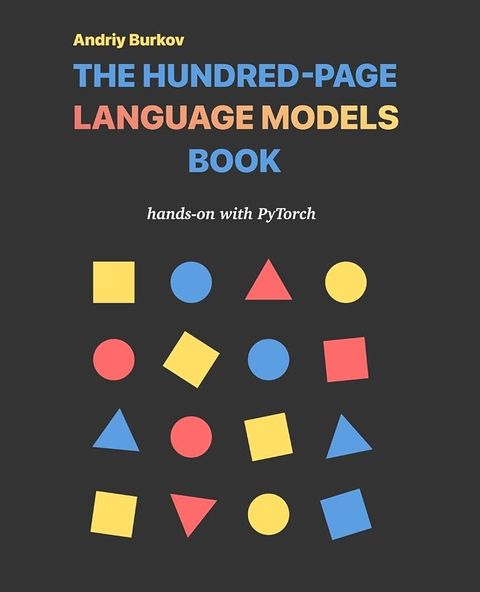
The Hundred-Page Language Models Book
A compact, code-driven path from count-based language models to transformers and finetuned LLMs, ideal for engineers who want the mechanics.
Editorial score: 71.8/100Amazon, The Hundred-Page Language Models Book (opens Amazon in a new tab) - Rank 163
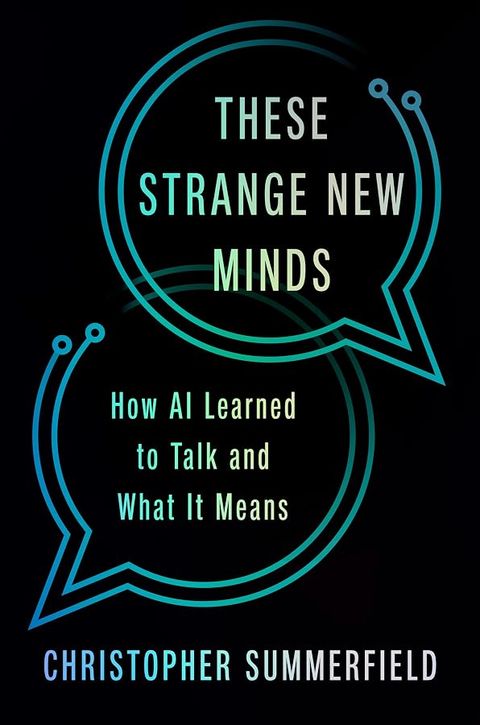
These Strange New Minds
A neuroscientist's lucid, even-handed account of how language models work, whether they think, and which risks deserve attention.
Editorial score: 74.8/100Amazon, These Strange New Minds (opens Amazon in a new tab) - Rank 164
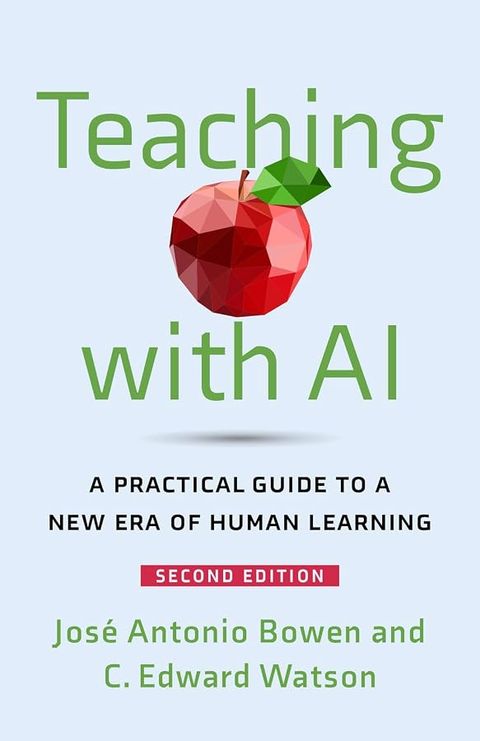
Teaching with AI
A highly practical faculty guide to generative AI, packed with prompts and assignment redesigns, though its optimism outweighs its engagement with skeptics.
Editorial score: 77.6/100Amazon, Teaching with AI (opens Amazon in a new tab) - Rank 165
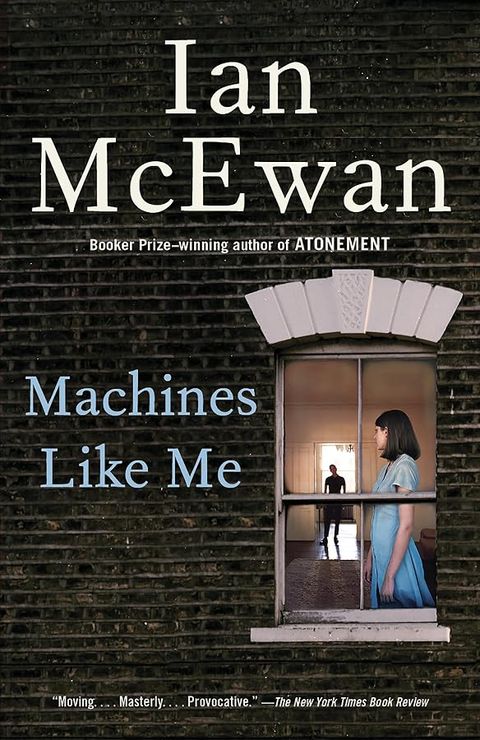
Machines Like Me
McEwan's alternate-history novel uses a synthetic man's rigid morality to test human self-deception, with more elegance than technical plausibility.
Editorial score: 67.8/100Amazon, Machines Like Me (opens Amazon in a new tab) - Rank 166
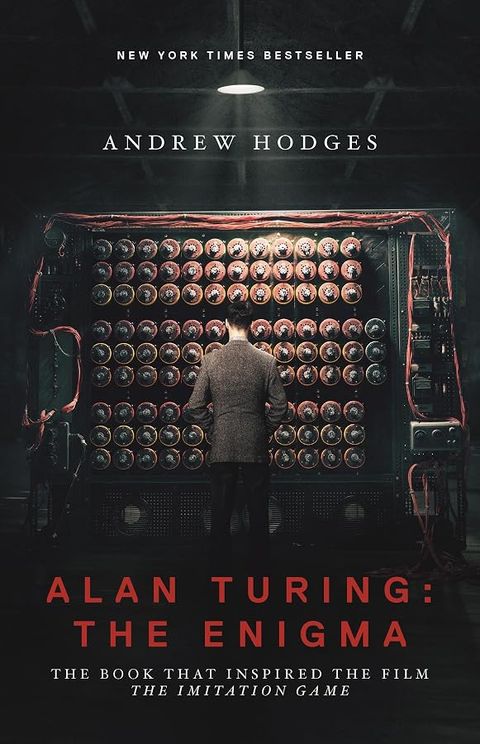
Alan Turing
The definitive biography of computing's founding theorist, scientifically serious and humane, though its length and mathematics demand commitment.
Editorial score: 79.8/100Amazon, Alan Turing (opens Amazon in a new tab) - Rank 167
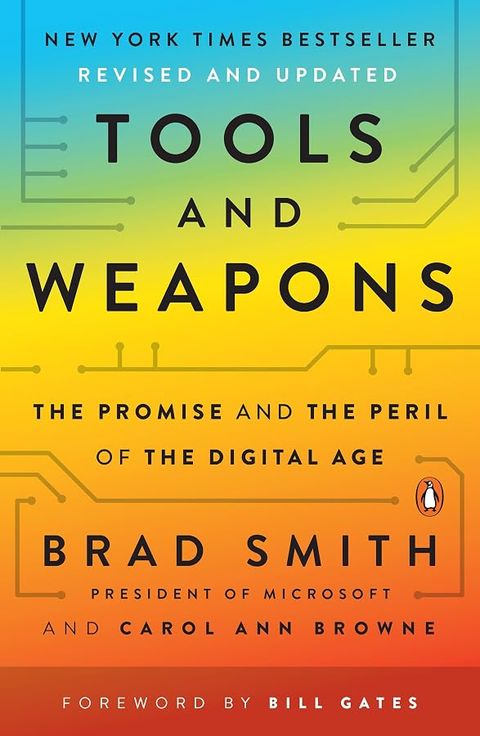
Tools and Weapons
An insider's account of Microsoft's policy battles that makes a measured case for corporate responsibility and smarter technology regulation.
Editorial score: 71.8/100Amazon, Tools and Weapons (opens Amazon in a new tab) - Rank 168
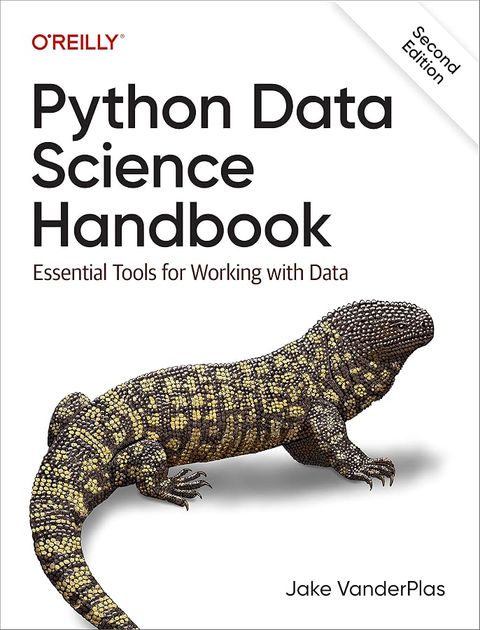
Python Data Science Handbook
The standard hands-on reference for Python's core data stack, clear enough to teach from and free to read online.
Editorial score: 82.1/100Amazon, Python Data Science Handbook (opens Amazon in a new tab) - Rank 169
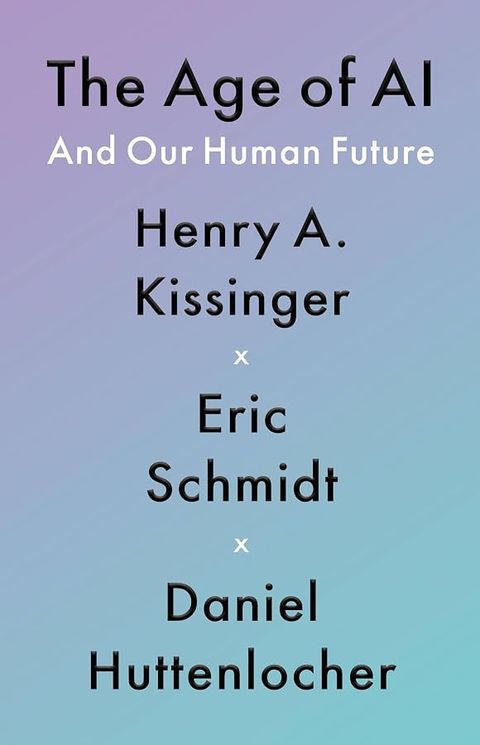
The Age of AI
Authors from diplomacy, business and computing frame AI as a challenge to human reason and world order, raising more questions than answers.
Editorial score: 64.8/100Amazon, The Age of AI (opens Amazon in a new tab) - Rank 170
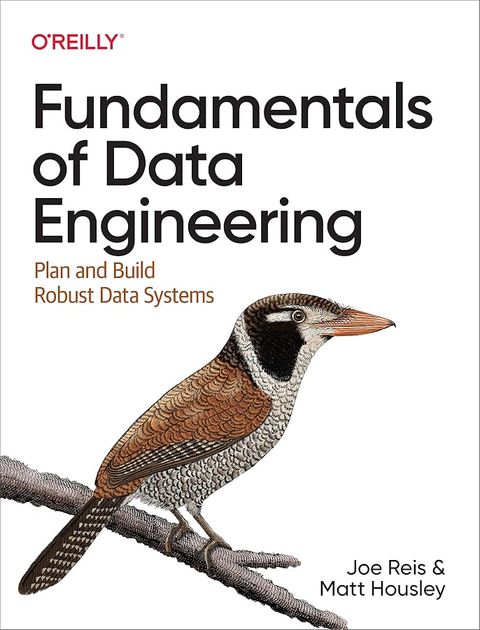
Fundamentals of Data Engineering
A clear, tool-agnostic map of modern data engineering, valuable for anyone building the data foundations on which AI systems depend.
Editorial score: 78.1/100Amazon, Fundamentals of Data Engineering (opens Amazon in a new tab) - Rank 171
Vehicles
A brief, playful classic that shows how simple wiring can produce behavior observers readily interpret as fear, love and intention.
Editorial score: 77.5/100Amazon, Vehicles (opens Amazon in a new tab) - Rank 172
I Have No Mouth & I Must Scream
A short, harrowing collection whose Hugo-winning title story offers one of fiction's starkest portraits of a vengeful machine intelligence.
Editorial score: 70.8/100Amazon, I Have No Mouth & I Must Scream (opens Amazon in a new tab) - Rank 173
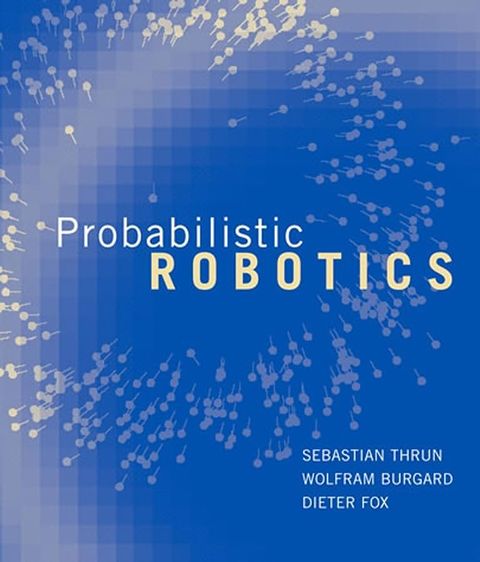
Probabilistic Robotics
The standard graduate text on robot perception and control under uncertainty, still foundational for SLAM, localization and autonomous vehicles.
Editorial score: 81.6/100Amazon, Probabilistic Robotics (opens Amazon in a new tab) - Rank 174
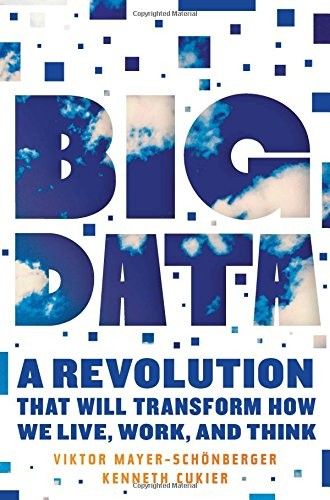
Big Data
A clear, example-rich primer on datafication whose core warnings about prediction and privacy outlasted several of its showcase case studies.
Editorial score: 68.3/100Amazon, Big Data (opens Amazon in a new tab) - Rank 175
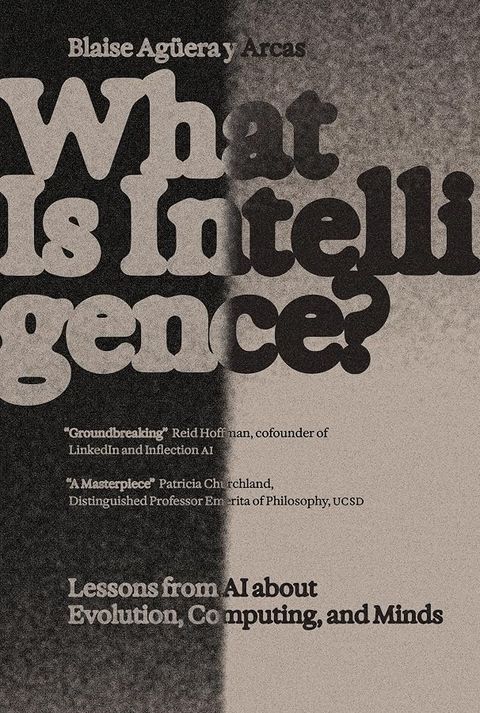
What Is Intelligence?
An ambitious, wide-ranging argument that prediction and computation unite life and intelligence, rewarding patient readers with original research and bold claims.
Editorial score: 70.3/100Amazon, What Is Intelligence? (opens Amazon in a new tab) - Rank 176
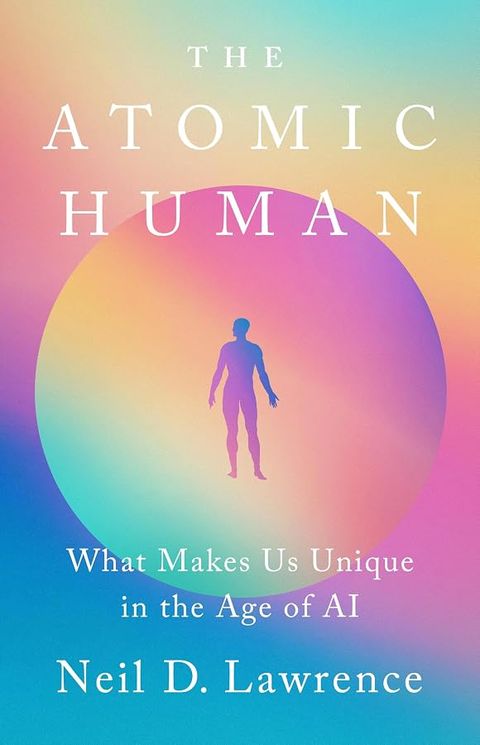
The Atomic Human
A wide-ranging, humane meditation on what machines cannot replace, rich in insight but loosely organized and prone to digression.
Editorial score: 71.0/100Amazon, The Atomic Human (opens Amazon in a new tab) - Rank 177
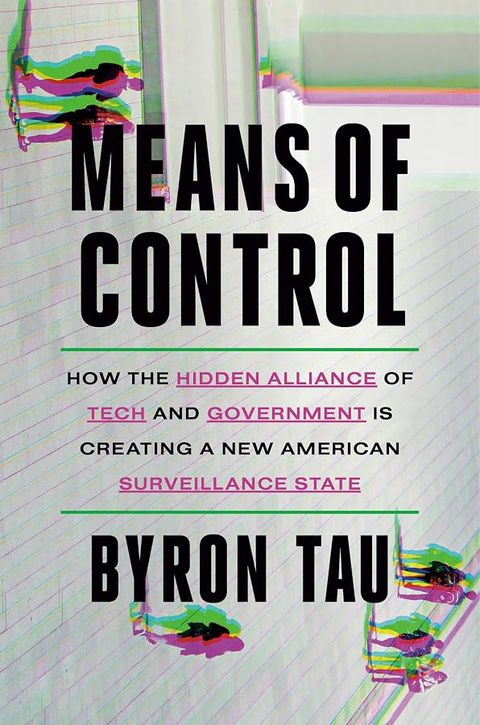
Means of Control
A deeply reported, unsettling account of how US agencies buy commercial data to track people, essential context for AI-era surveillance.
Editorial score: 71.5/100Amazon, Means of Control (opens Amazon in a new tab) - Rank 178
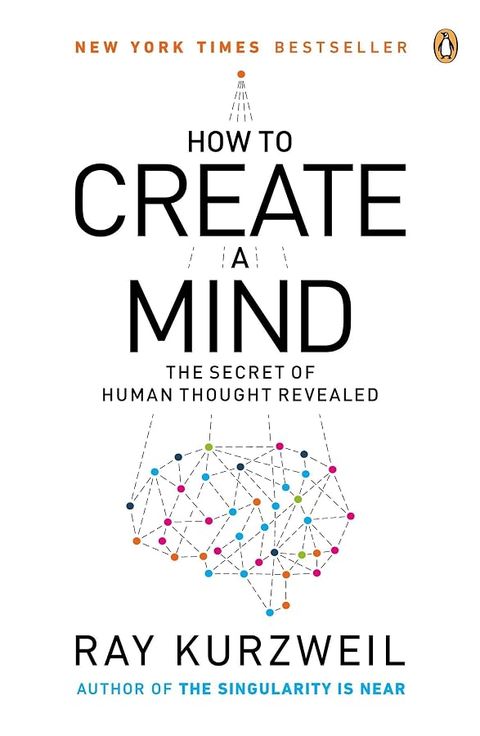
How to Create a Mind
Kurzweil's theory of the neocortex as a hierarchy of pattern recognizers is provocative speculation that prominent cognitive scientists and philosophers have disputed.
Editorial score: 61.3/100Amazon, How to Create a Mind (opens Amazon in a new tab) - Rank 179
The AI Revolution in Medicine
An early, example-rich look at GPT-4 in clinical work, valuable for its candid transcripts though partly overtaken by rapid model progress.
Editorial score: 70.3/100Amazon, The AI Revolution in Medicine (opens Amazon in a new tab) - Rank 180
Design Justice
An influential, activist framework for community-led design that shaped debates over algorithmic bias, best read as advocacy rather than neutral analysis.
Editorial score: 72.3/100Amazon, Design Justice (opens Amazon in a new tab) - Rank 181
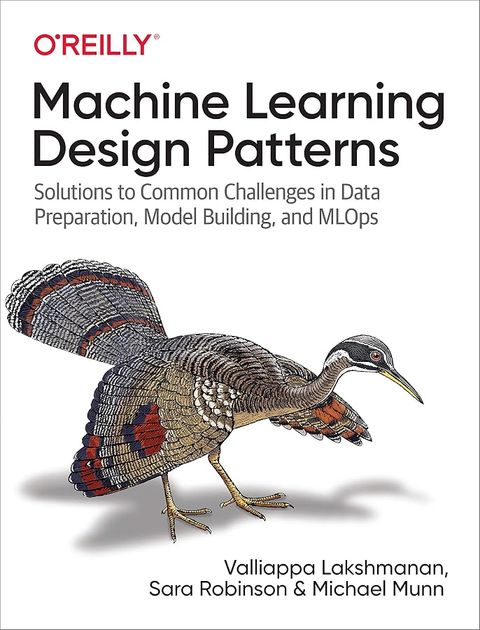
Machine Learning Design Patterns
A durable, well-organized catalog of thirty production ML patterns, best for practitioners who already train models and need to ship them.
Editorial score: 76.3/100Amazon, Machine Learning Design Patterns (opens Amazon in a new tab) - Rank 182
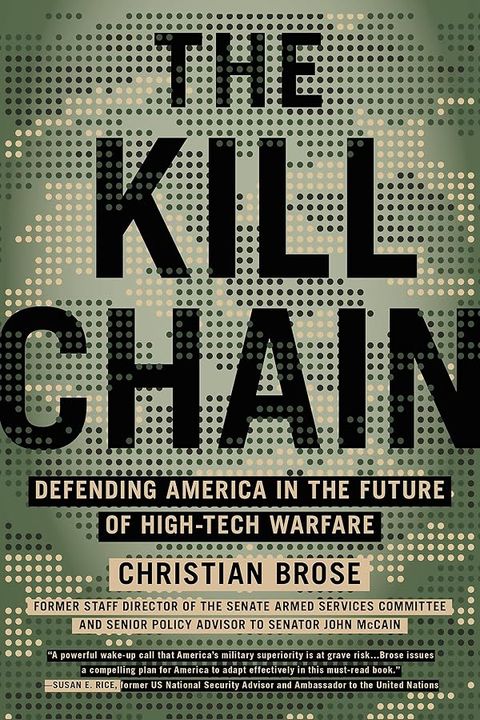
The Kill Chain
An insider's forceful case that the Pentagon must trade costly legacy platforms for networks of cheaper autonomous systems to deter China.
Editorial score: 76.8/100Amazon, The Kill Chain (opens Amazon in a new tab) - Rank 183
Player Piano
Vonnegut's first novel remains one of the sharpest fictional studies of what full automation does to work, status and self-respect.
Editorial score: 75.8/100Amazon, Player Piano (opens Amazon in a new tab) - Rank 184
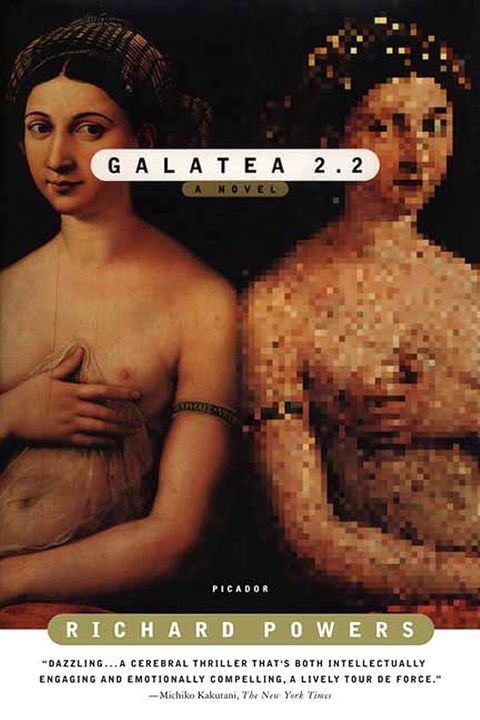
Galatea 2.2
A demanding, affecting literary novel that anticipated today's language-model debates by asking what a machine trained on books can understand.
Editorial score: 73.1/100Amazon, Galatea 2.2 (opens Amazon in a new tab) - Rank 185
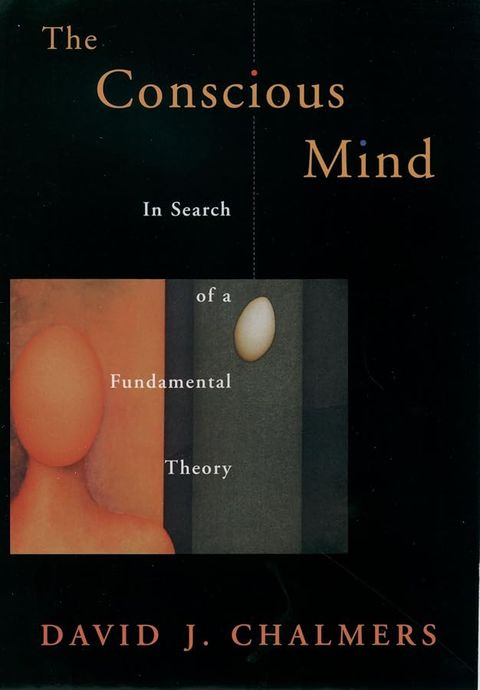
The Conscious Mind
The defining modern statement of the hard problem, rigorous and demanding, and essential background for any serious debate about machine consciousness.
Editorial score: 80.3/100Amazon, The Conscious Mind (opens Amazon in a new tab) - Rank 186
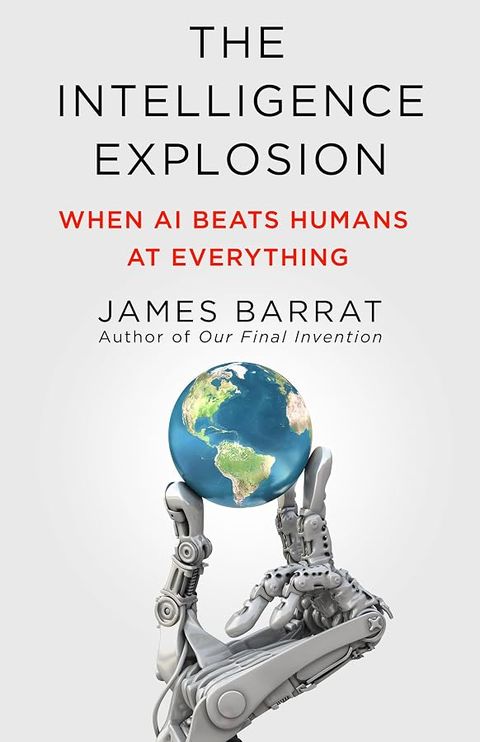
The Intelligence Explosion
An urgent, accessible survey of generative AI's risks and the race toward superintelligence, stronger on alarm than on alternative viewpoints.
Editorial score: 61.8/100Amazon, The Intelligence Explosion (opens Amazon in a new tab) - Rank 187
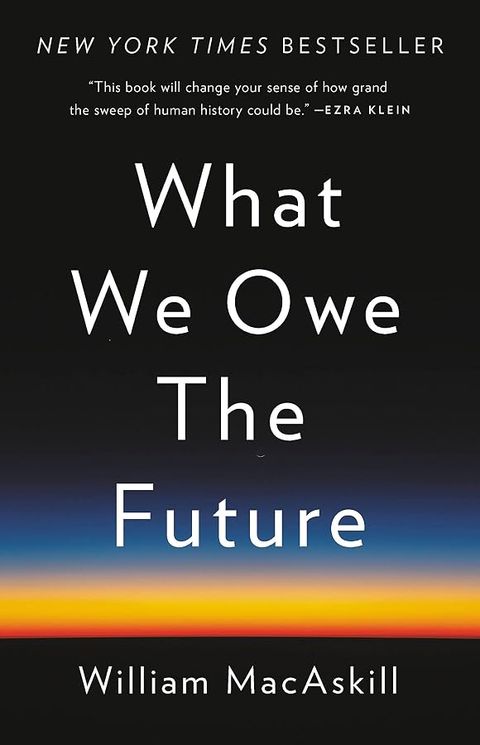
What We Owe the Future
The most accessible book-length case for longtermism, and useful background on AI-risk debates even for readers who reject its conclusions.
Editorial score: 74.5/100Amazon, What We Owe the Future (opens Amazon in a new tab) - Rank 188
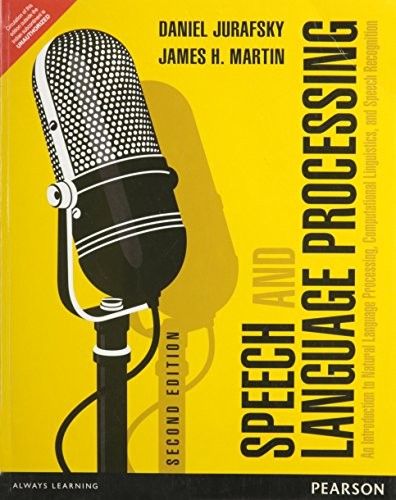
Speech and Language Processing
A standard NLP textbook for over two decades, now kept current through a free online third edition centered on language models.
Editorial score: 87.1/100Amazon, Speech and Language Processing (opens Amazon in a new tab) - Rank 189
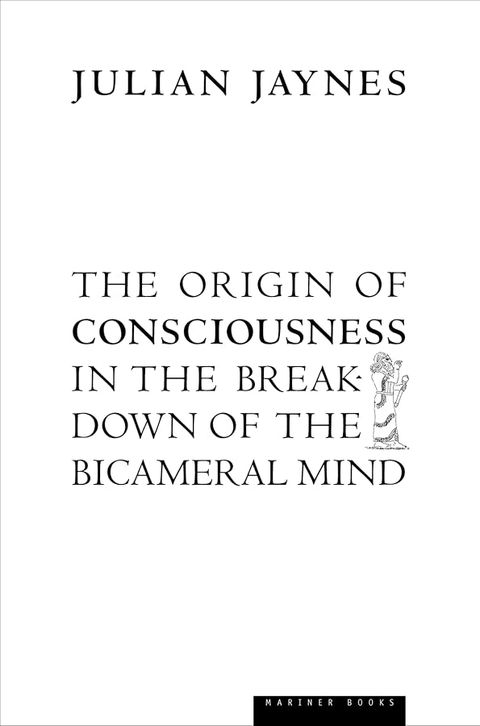
The Origin of Consciousness in the Breakdown of the Bicameral Mind
A daring, contested theory of consciousness as a recent cultural invention, valuable for provoking thought rather than for settled science.
Editorial score: 64.8/100Amazon, The Origin of Consciousness in the Breakdown of the Bicameral Mind (opens Amazon in a new tab) - Rank 190
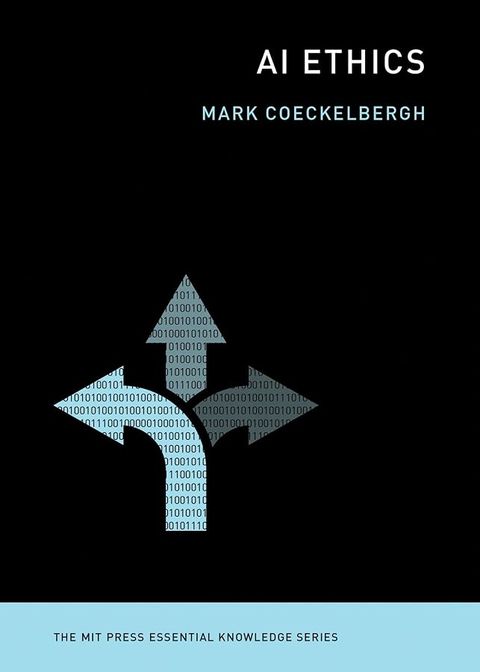
AI Ethics
A compact, balanced philosophical primer on AI ethics that maps the main debates clearly, though its examples predate generative AI.
Editorial score: 71.6/100Amazon, AI Ethics (opens Amazon in a new tab) - Rank 191
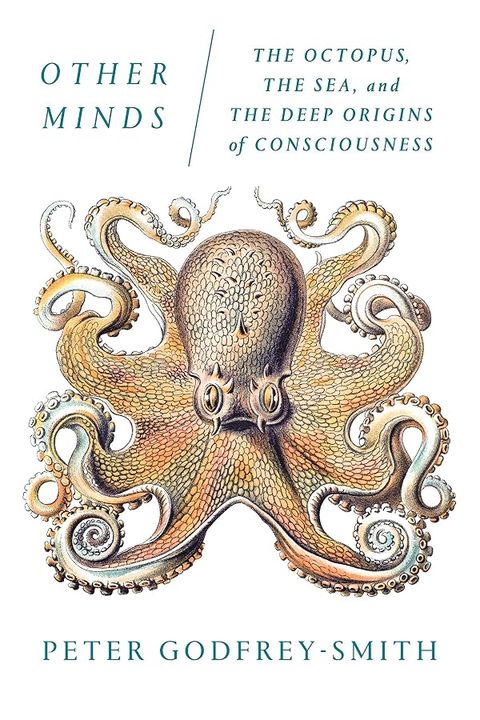
Other Minds
A graceful philosopher's account of octopus intelligence that gives AI readers a vivid, grounded case study of a truly alien mind.
Editorial score: 73.1/100Amazon, Other Minds (opens Amazon in a new tab) - Rank 192
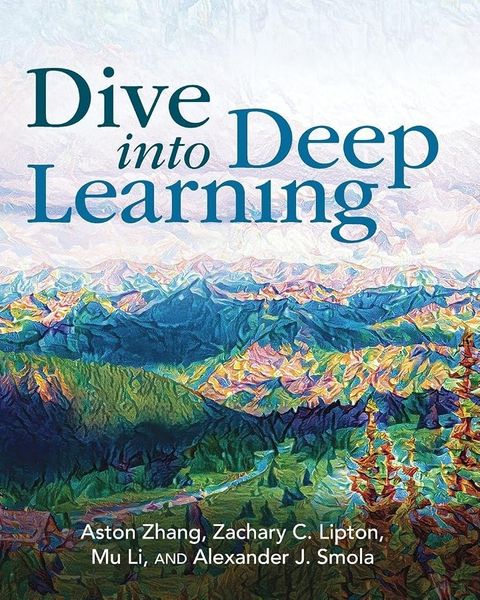
Dive into Deep Learning
A rigorous, openly available textbook that teaches deep learning by pairing mathematics, prose and runnable code on nearly every page.
Editorial score: 80.3/100Amazon, Dive into Deep Learning (opens Amazon in a new tab) - Rank 193
Mockingbird
A melancholy, humane dystopia in which an android who longs to die oversees a humanity that has forgotten how to read.
Editorial score: 65.1/100Amazon, Mockingbird (opens Amazon in a new tab) - Rank 194
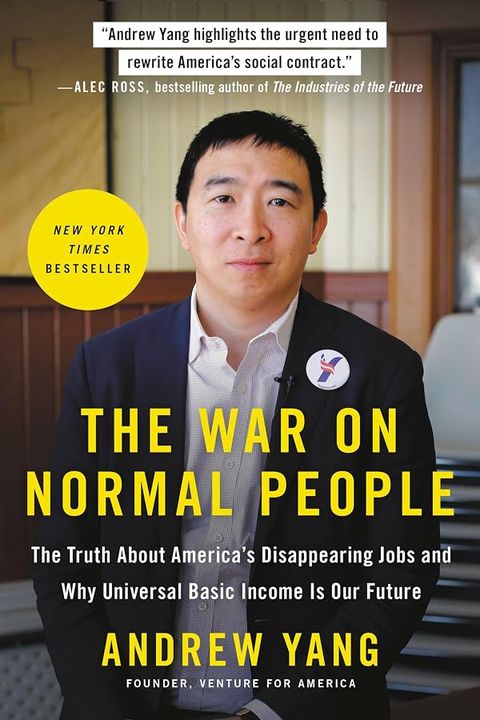
The War on Normal People
A forceful, data-driven case that automation threatens ordinary American workers, paired with a universal basic income proposal that remains widely contested.
Editorial score: 65.5/100Amazon, The War on Normal People (opens Amazon in a new tab) - Rank 195
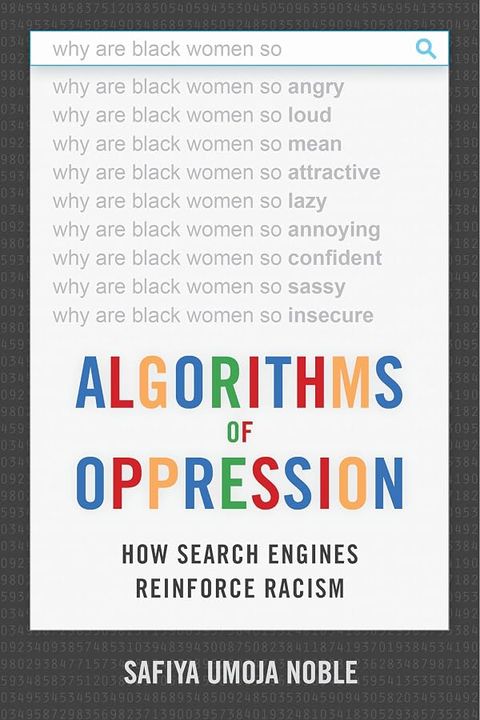
Algorithms of Oppression
A foundational, sometimes academic study showing that commercial search ranks people and ideas through business incentives that reproduce racial and gender stereotypes.
Editorial score: 72.8/100Amazon, Algorithms of Oppression (opens Amazon in a new tab) - Rank 196
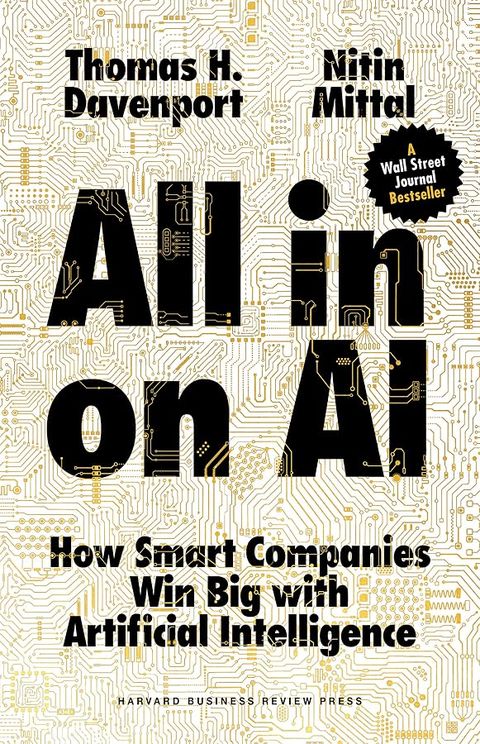
All-in on AI
A well-sourced executive briefing on how incumbent firms rebuild around AI, more useful for setting direction than for hands-on implementation.
Editorial score: 67.1/100Amazon, All-in on AI (opens Amazon in a new tab) - Rank 197
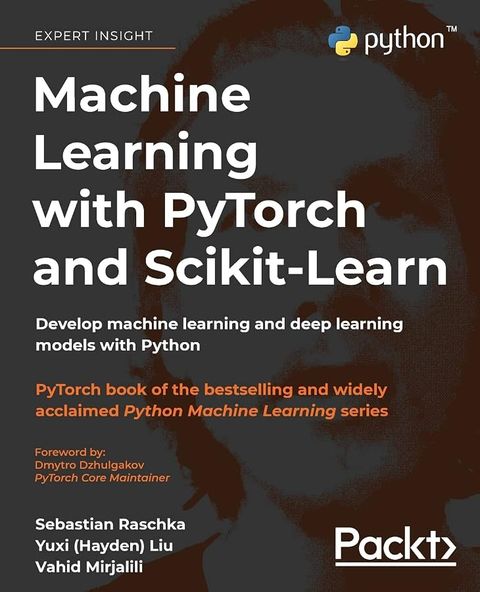
Machine Learning with PyTorch and Scikit-Learn
One of the most complete practitioner courses in Python machine learning, pairing sound theory with working scikit-learn and PyTorch code.
Editorial score: 79.6/100Amazon, Machine Learning with PyTorch and Scikit-Learn (opens Amazon in a new tab) - Rank 198
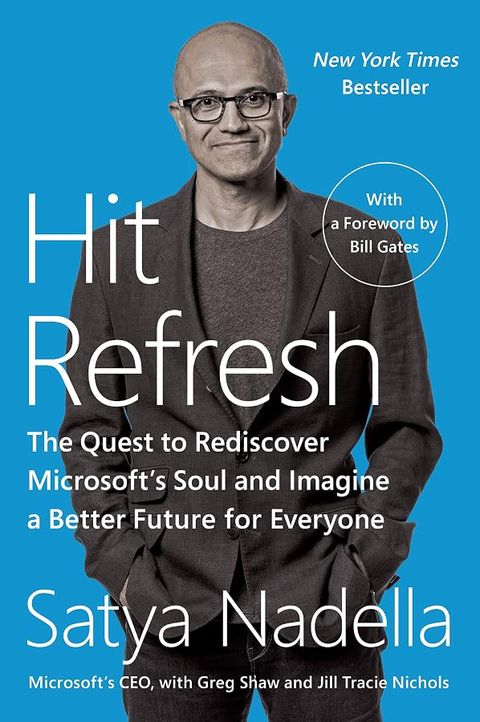
Hit Refresh
A measured CEO memoir of Microsoft's cultural turnaround, more useful for its leadership lessons than for its brief, dated look at AI.
Editorial score: 70.1/100Amazon, Hit Refresh (opens Amazon in a new tab) - Rank 199
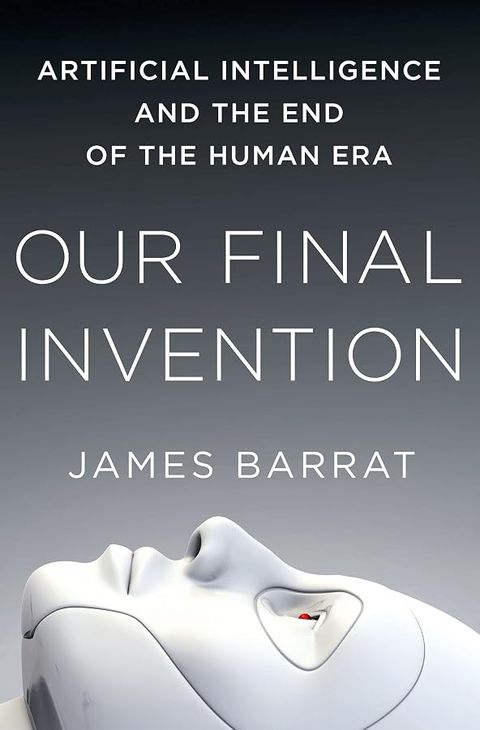
Our Final Invention
An early, accessible journalistic warning about uncontrollable superintelligence, more persuasive on risks than on remedies, and now partly overtaken by events.
Editorial score: 62.3/100Amazon, Our Final Invention (opens Amazon in a new tab) - Rank 200
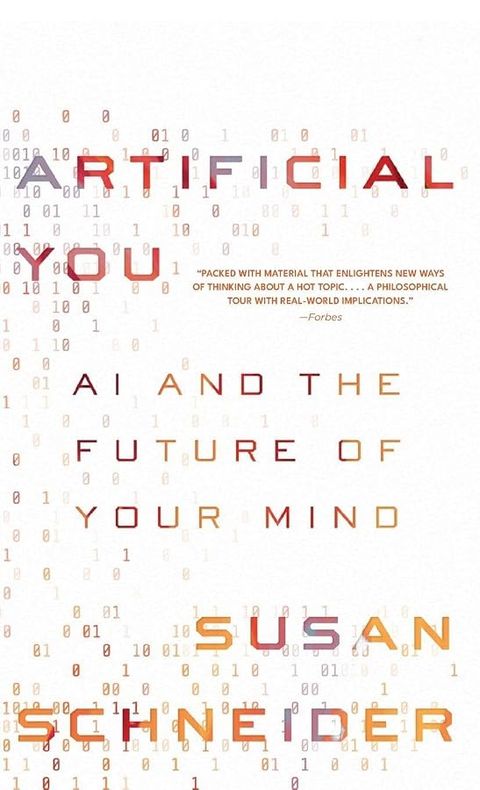
Artificial You
A brief, lucid philosophical guide to machine consciousness and mind uploading that raises sharper questions than it can settle.
Editorial score: 66.0/100Amazon, Artificial You (opens Amazon in a new tab)